Autorenarchiv

Yes you say - but at least ARTE stays impartial

24. Juni 2024

using @VladVexler as an “impar­ti­al expert” in their “Truth and pro­pa­gan­da” seri­es (see video above).

@VladVexler of cour­se being wide­ly known for his gre­at impar­ti­al pod­casts with @AnnafromUkraine (thats Anna from com­mu­ni­ca­ti­ons) and @JakeBore [United Sta­tes Air For­ce vete­ran who ser­ved as a Nuclear and Mis­si­le Ope­ra­ti­ons Offi­cer (13N)], as well as that guy from Sili­con Curtain.

See: [Gre­at and impar­ti­al] Friends of Ukrai­ne Round­ta­ble #2

Vlad Vex­ler of cour­se also wide­ly known for publi­ca­ly ridi­cu­ling Chomsky -

[Only legit, with gre­at and impar­ti­al blue ski­es over yel­low sun­flower­field background.]

Becau­se Chom­sky sta­ted that Selen­skyj was open to peace nego­tia­ti­ons, which obvious­ly wasnt true becau­se accord­ing to Vlad Vex­ler Selen­skyj was figh­t­ing for the mere sur­vi­val of Ukrai­ne. Except that it was. (See NYT as of June 15th 2024).

With Vlad Vex­ler you then get pre­sen­ted this in this way:

Putin’s actions are des­troy­ing Russia’s future and incre­a­singly odds that Rus­sia may not exist at all and the­re isn’t even a more striking Omis­si­on in that argu­ment and that is - Ukrai­ni­an agen­cy sin­ce 2014! Ukrai­ne has come tog­e­ther in a Civic Bond powe­red by anti-colonial sen­ti­ment and it’s only an ungroun­ded news­pa­per clip­ping approach to poli­ti­cal under­stan­ding that could lead Norm Chom­sky to say that Ukrai­ne wants peace more than weapons.

For refe­rence, the Inter­view Vlad Vex­ler quo­tes Chom­sky from (and under­lies with sinis­ter music) was held in May 2022 - when accord­ing to Simon Shus­ter - you know - that Simon Shuster:

Simon Shus­ter is a seni­or cor­re­spon­dent at TIME. He covers inter­na­tio­nal affairs, with a focus on Rus­sia and Ukraine. 

src: click

[But also accord­ing to the NYT as of June 15th 2024 of course.]

Selen­ky­js view still was that the Ukrai­ne nee­ded to talk to Putin - to pre­vent a wider war.

He also said at the time, days after the Butscha mas­sa­c­re was dis­co­ve­r­ed in ear­ly April of 2022, he sug­gested that Putin might not be ful­ly awa­re of the warcri­mes that his sol­di­ers are com­mit­ting. And we still need to talk to Putin.

Qui­te quick­ly, but cer­tain­ly over the cour­se of the next weeks that fol­lo­wed, his views, evol­ved part­ly under the influ­ence of his advi­sors. You know this is -- like any admi­nis­tra­ti­on the­re are dif­fe­rent opi­ni­ons, and they were dis­cus­sing what to do, what should be our posi­ti­on in terms of nego­tia­ti­ons and -- the pos­si­bi­li­ty of tal­king to Putin. Is he a mons­ter, is he a sta­tes­men, what is he?! A dic­ta­tor. And their views evol­ved qui­te quick­ly [but cer­tain­ly over the cour­se of the next weeks], to the point whe­re I think by the start of sum­mer cer­tain­ly Selen­skyj had deci­ded, that - NO, it is not pos­si­ble to talk to Putin. (and thats 81 days after Butscha, which beca­me known on April the 1st 2022.)”

src: click (Simon Shus­ter at the Atlan­tic Council)

Arte of cour­se being the demo­cra­tic wes­tern out­let that not only brings you a Selen­skyj Attract Image Docu­men­ta­ry fea­turing Marie­lui­se Beck from the Zen­trum Libe­ra­le Moder­ne - you know, this Zen­trum Libe­ra­le Moderne:

but also the offi­cial war nar­ra­ti­ve of the Wer­te­wes­ten in the form of “we tal­ked to the peop­le in the room” documentaries.

https://www.youtube.com/watch?v=reoI_5xssOg
(Ori­gi­nal source: click)

Whe­re at 3min20 in the­re exists this won­der­ful passage:

Spre­cher: “Seit der Beset­zung der Krim 2014 bit­tet die Ukrai­ne die USA ihr Jave­lin Panzer-Abwehrraketen zu lie­fern. Prä­si­dent Oba­ma lehnt zuerst ab, weil er eine Eska­la­ti­on der Span­nun­gen mit Russ­land befürch­tet. Nun [20.06.2017] legt Poro­sche­nen­ko Trump sei­nen Wunsch vor.”

[Con­text: This was the aformen­tio­ned “wish” in Novem­ber of 2019, six mon­ths after the Poro­schen­ko pre­si­den­cy, in the ear­ly sta­ges of the Selen­skyj presidency:

24.11.2019

The aid, inclu­ding counter-artillery bat­te­ry radar, night-vision gear and patrol boats, has sin­ce [in the later parts of the Trump admi­nis­tra­ti­on] been unf­ro­zen and is making a real dif­fe­rence to Ukrai­ni­an for­ces figh­t­ing Russian-backed sepa­ra­tists in eas­tern districts.

But it is the Jave­lin which appears to be a game-changer, Ukraine’s defence minis­ter told CBC News.

In cer­tain are­as, they can make a cri­ti­cal dif­fe­rence,” said Andriy Zagorodnyuk.

src: click (CBC) End of Context]

Fio­na Hill: “Poro­schen­ko schwitz­te buch­stäb­lich und wirk­te sehr ner­vös. ich erin­ne­re mich genau an sei­nen Gesichts­aus­druck als er her­ein­kam - er war sehr beklom­men denn für ihn stand viel auf dem Spiel.”

Poro­schen­ko: “Damals gab es bereits die rus­si­sche Besat­zung. Die Krim war besetzt und der Don­bas war besetzt.”

H. R. McMas­ter (Natio­nal Secu­ri­ty Advi­sor, Trump): “Der Prä­si­dent nahm Poro­schen­ko sehr freund­lich auf. Er war ein erfolg­rei­cher Geschäfts­mann genau wie Trump und auf der Ebe­ne ver­stan­den sie sich.”

Poro­schen­ko: “Ich sag­te: Mr Pre­si­dent wir brau­chen töd­li­che Waf­fen. Jave­lin ist eine sehr wirk­sa­me Panzerabwehrrakete.”

H. R. McMas­ter: “Prä­si­dent Poro­schen­ko gelang es Trump die Aus­wir­kun­gen der rus­si­schen Besat­zung auf die Ukrai­ne dar­zu­le­gen. Prä­si­dent Trump erkann­te die Bedro­hung und die Not­wen­dig­keit der Abschreckung”

Poro­schen­ko: “Als ich das Oval Office ver­ließ, war ich wie beflü­gelt, denn Prä­si­dent Trump hat­te mir das Jave­lin Sys­tem zuge­sagt. Das war ein groß­ar­ti­ger Tag.”

Spre­cher: “Doch die Rea­li­tät sieht anders aus. Als er zwei Wochen spä­ter zum G20 Gip­fel anreist, hat Trump den Ver­trag noch immer nicht unter­zeich­net hier soll er Putin erst­mals per­sön­lich begegnen.”

Fio­na Hill: “Wir erhiel­ten Hin­wei­se von der rus­si­schen Dele­ga­ti­on, dass Prä­si­dent Putin Waf­fen­lie­fe­run­gen an die Ukrai­ne, vor allem Jave­lin Rake­ten sehr kri­tisch sehen würde.”

John Kel­ly (Secreta­ry of Home­land Secu­ri­ty, Trump): “Der Prä­si­dent war sich der Tat­sa­che bewusst dass eine Unter­stüt­zung der Ukrai­ne Russ­land ver­är­gern wür­de und er woll­te wohl oder übel gute Bezie­hun­gen zu Putin aufbauen.”

John Kel­ly: “Trump heg­te die trü­ge­ri­sche Hoff­nung gute per­sön­li­che Bezie­hun­gen zu Putin sei­ne Hal­tung mäßi­gen würden.”

Spre­cher: “Das natio­na­le Sicher­heits­team ver­sucht Trump zu über­zeu­gen sein Ver­spre­chen an Poro­schen­ko zu halten.” 

John Kel­ly: “Ich mach­te klar, solan­ge es kei­nen Angriff gegen die Sou­ve­rä­ni­tät der Ukrai­ne gab, wer­de kein rus­si­scher Pan­zer von Jave­lin Rake­ten getrof­fen und auch kein rus­si­scher Sol­dat von Muni­ti­on aus den USA.”

H. R. McMas­ter: “Mein Argu­ment war dass Schwä­che Russ­land pro­vo­ziert ich glau­be Russ­land hat die Ukrai­ne 2014 ange­grif­fen weil Putin glaub­te die Ame­ri­ka­ner wür­den ohne­hin nicht reagie­ren, des­we­gen war es wich­tig die Ver­tei­di­gungs­fä­hig­keit der Ukrai­ne die Abschre­ckung zu stär­ken. Trump stimm­te zu.”

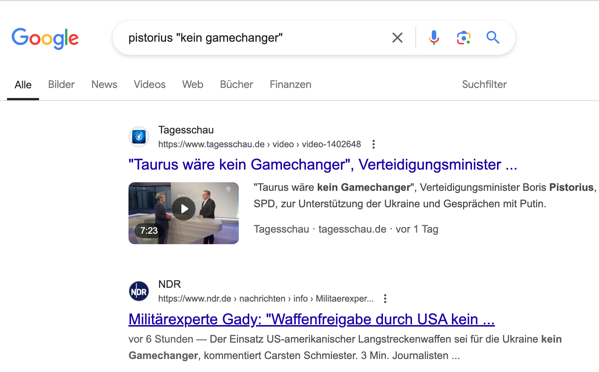
Spre­cher: “Ende 2017 gibt Trump den Befehl zur Lie­fe­rung töd­li­cher Waf­fen [Jave­lins, the Game­ch­an­ger in the Don­bas] an die Ukraine.”

Andrej Kelin (for­mer Amba­sa­dor of the Rus­si­an Fede­ra­ti­on to the UK): “Aus unse­rer Sicht hat­te Trump mit die­ser Ent­schei­dung eine rote Linie über­schrit­ten, er wur­de dazu über­re­det Jave­lin Rake­ten zu lie­fern und das war nur der Anfang der Auf­rüs­tung der Ukrai­ne. Der Anfang eines sehr gefähr­li­chen Wegs.”

John Bol­ton (Natio­nal Secu­ri­ty Advi­sor): “Putin betrach­te­ten die Lie­fe­rung schwe­rer Waf­fen an die Ukrai­ne als Bedro­hung. Er hielt die Ukrai­ne für ein ille­ga­les Staats­ge­bil­de das der Sowjet­uni­on dass Russ­land zu Unrecht ent­ris­sen wor­den war. Der Zer­fall der Sowjet­uni­on war für Putin die größ­te geo­po­li­ti­sche Kata­stro­phe des 20 Jahrhunderts.”

Chom­sky of cour­se being the intel­lec­tu­al that then prompt­ly finds out through litera­ry ana­ly­sis - and prompt­ly also makes public - that this concession -

John Kel­ly: “Ich mach­te klar, solan­ge es kei­nen Angriff gegen die Sou­ve­rä­ni­tät der Ukrai­ne gab, wer­de kein rus­si­scher Pan­zer von jeve­lin Rake­ten getrof­fen und auch kein rus­si­scher Sol­dat von Muni­ti­on aus den USA.”

- was vio­la­ted by Ukrai­ne in Novem­ber of 2021 (or slight­ly ear­lier), try­ing to free the Don­bas - refe­ren­cing this article:

Ukrai­ni­an Tro­ops Have Been Firing American-Made Jave­lin Mis­si­les At Russian-Backed Forces

The dis­clo­sure that Ukrai­ni­an tro­ops have been employ­ing Jave­lin mis­si­les in com­bat comes as fears grow that Rus­si­an could launch a new invasion.

JOSEPH TREVITHICK

POSTED ON NOV 22, 2021 6:18 PM EST

The head of Ukraine’s top mili­ta­ry intel­li­gence agen­cy has con­fir­med, for what appears to be the first time, that Ukrai­ni­an tro­ops in the country’s eas­tern Don­bass regi­on have fired American-made Jave­lin anti-tank mis­si­les at Rus­si­an or Russian-supported for­ces. The­se mis­si­les, along with other advan­ced wea­pons that the Ukrai­ni­an mili­ta­ry has acqui­red in recent years, such as Tur­kish Bay­raktar TB2 armed dro­nes, would be important fac­tors in the out­co­me of any future major mili­ta­ry con­fron­ta­ti­on with Rus­sia. Fears are gro­wing that the Krem­lin could at least be pre­pa­red to launch a new, large-scale inva­si­on of eas­tern Ukrai­ne as ear­ly as January.

Ukrai­ni­an Bri­ga­dier Gene­ral Kyry­lo Buda­nov tal­ked about the ope­ra­tio­nal use of Jave­lins as part of a recent inter­view with Mili­ta­ry Times, which he con­duc­ted through an inter­pre­ter. Buda­nov, who runs the Chief Direc­to­ra­te of Intel­li­gence of the Minis­try of Defence of Ukrai­ne, also known by its Ukrai­ni­an acro­nym GUR MOU, used the oppor­tu­ni­ty to call for more help from the U.S. government as he sound­ed like the alarm about the Kremlin’s unusu­al deploy­ments of lar­ge num­bers of mili­ta­ry units to are­as oppo­si­te Russia’s bor­ders with Ukrai­ne in recent weeks.

src: click

Second source: Peter Zei­han here at 17min in.

The second big deploy­ment of rus­si­an army units on the ukrai­ni­an bor­der hap­pens from Okto­ber to mid Novem­ber 2021. US deli­ve­r­ed Jave­lins were likely used in Don­bas, by the Ukrai­ne, star­ting from Octo­ber 2021.

The US then prompt­ly covers this up and two mon­ths later allows the Ukrai­ne to dis­tri­bu­te Jave­lins throughout Ukrai­ne more free­ly - and use them - even without an offi­cial Rus­si­an inva­si­on being under­way (but that was a chan­ge from their pre­vious posi­ti­on, that was only imple­men­ted in decem­ber of 2021):

04. 12. 2021 (Poli­ti­co) - Can Ukrai­ne deploy U.S.-made wea­pons against the Russians?

The­re are no geo­gra­phic restric­tions on the deploy­ment of the mis­si­les, which means Ukrai­ni­an for­ces can trans­port, dis­tri­bu­te and use them any time.

As Rus­sia amas­ses the hig­hest num­ber of tro­ops on Ukraine’s bor­der sin­ce 2014, the ques­ti­on for Kyiv now beco­mes: Is it time to start put­ting U.S.-made wea­pons in the field?

Ukrai­ne purcha­sed 210 Jave­lin anti-tank mis­si­les and 37 laun­chers from the U.S. in 2018 for appro­xi­mate­ly $47 mil­li­on, and the Sta­te Depart­ment appro­ved the sale of a second batch of 150 mis­si­les and 10 launch units in late 2019. But with them came a varie­ty of restric­tions on their usa­ge, inclu­ding that they be stored in wes­tern Ukrai­ne, far from the front lines.

The Jave­lin is a shoulder-fired mis­si­le that uses infra­red gui­d­ance to tar­get and des­troy an enemy tank from up to 3 miles away. For­mer Pre­si­dent Donald Trump first appro­ved the sale of the wea­pon to Ukrai­ne after his pre­de­ces­sor, for­mer Pre­si­dent Barack Oba­ma, refu­sed the request, due to fears that pro­vi­ding let­hal aid to Kyiv would pro­vo­ke Moscow.

Wess Mit­chell, who ser­ved as the Trump administration’s top Sta­te Depart­ment offi­cial over­see­ing Euro­pean and Eura­si­an affairs, noted that the Jave­lins and other let­hal wea­pons are desi­gned not for first use but to deter Moscow from encroa­ching on Ukrai­ni­an territory.

But while Washing­ton urges Kyiv to use the Jave­lins only for defen­si­ve pur­po­ses and requi­res that the wea­pons be stored in a secu­re faci­li­ty away from the con­flict, the­re are no geo­gra­phic restric­tions on the actu­al deploy­ment of the mis­si­les, U.S. offi­cials said, which means that Ukrai­ni­an for­ces can trans­port, dis­tri­bu­te and use them at any time.

Jave­lins are defen­si­ve wea­pons and the United Sta­tes expects Ukrai­ne to deploy them respon­si­b­ly and stra­te­gi­cal­ly when nee­ded for defen­si­ve pur­po­ses,” said Pen­ta­gon spo­kes­per­son Mike Howard.

If the Jave­lins were to be moved, it doesn’t necessa­ri­ly mean they’d be used — in Kyiv’s esti­ma­ti­on, the thres­hold for actual­ly firing the wea­pons has not yet been met, accord­ing to two Ukrai­ni­ans fami­li­ar with the dis­cus­sions. The red line, they said, would be if Rus­si­an tanks cros­sed over into Ukrai­ni­an territory.

The cur­rent Rus­si­an move­ment in Eas­tern Euro­pe is exact­ly the kind of sce­n­a­rio the Jave­lin sale was desi­gned to coun­ter, said two for­mer seni­or U.S. defen­se offi­cials fami­li­ar with the agreement.

src: click (Poli­ti­co)

Not only that: 

But while Washing­ton urges Kyiv to use the Jave­lins only for defen­si­ve pur­po­ses and requi­res that the wea­pons be stored in a secu­re faci­li­ty away from the conflict

- but also this was in play at that time:

John Kel­ly: “Ich mach­te klar, solan­ge es kei­nen Angriff gegen die Sou­ve­rä­ni­tät der Ukrai­ne gab, wer­de kein rus­si­scher Pan­zer von jeve­lin Rake­ten getrof­fen und auch kein rus­si­scher Sol­dat von Muni­ti­on aus den USA.”

So ARTE of cour­se doesnt catch this. But Chom­sky does.

So then he gets publicly cha­rac­ter assas­si­na­ted by Vlad Vex­ler, whom ARTE then also prompt­ly fea­tures in their “Truth and Pro­pa­gan­da” Documentary.

After which Vlad Vex­ler shows up in the Friends of Ukrai­ne Round­ta­ble #2 fea­turing Anna from com­mu­ni­ca­ti­ons, which ARTE of cour­se doesnt rea­li­ze, as they are too busy green­ligh­t­ing a Selen­skyj Attract Image Docu­men­ta­ry fea­turing Marie­lui­se Beck from the Zen­trum Libe­ra­le Moder­ne.

As that doesnt work, Chom­sky now real­ly gets on the US Pro­pa­gan­da shit­list, get­ting essen­ti­al­ly the shou­ting down by an idi­ot tre­at­ment - by a Radio Free Europe/Radio liber­ty employee:

You know - Radio Free Europe/Radio Liber­ty, the only us ame­ri­can broad­cas­ter that is publicly fun­ded by the US government and stran­ge­ly enough is only broad­cas­ting abroad - but in the past mon­ths, also stran­ge­ly enough final­ly had secu­red enough fun­ding to also expand to romania:

22th of June 2024 here at 24 min in:

Jamie Fly (For­mer Radio Free Euro­pe / Radio Liber­ty CEO):

I think it’s important uh con­text, his­to­ri­cal con­text for the US Roma­ni­an rela­ti­ons­hip, when I was pre­si­dent of Radio Free Europe/Radio Liber­ty, we retur­ned uh to Roma­nia, relaun­ched our Roma­ni­an lan­guage ser­vice - I had many occa­si­ons whe­re I was able to visit uh Bucha­rest and the thing I think Ame­ri­cans need to under­stand is Roma­ni­ans LOVE Free­dom uh and it’s uh now in their uh DNA uh and that was an important bond given the work of Radio Free Euro­pe uh during the Com­mu­nist era, and it was - I had this expe­ri­ence in many coun­tries I ope­ra­ted in, but Roma­nia was perhaps the most fer­vent. When I went to Roma­nia as pre­si­dent of Radio Free Euro­pe, peop­le would descri­be to me with tears in their eyes the role that Ame­ri­can Broad­cas­ting play­ed during a very dark uh peri­od and uh were always asking us to do more the­re and I was exci­ted that we were able to to return during my ten­u­re um so and I think that rela­tes to why Roma­nia [!] now has sta­ked out such a clear lea­ders­hip role uh in the regi­on, advan­cing uh the values that uh us pro­gramming cer­tain­ly repre­sen­ted during that time so it’s it’s gre­at to be uh with you, so may­be I’ll start broad­ly just with the sta­te of the US Roma­nia uh rela­ti­ons­hip which you kind of touched on at the end but I was struck by your note that US enga­ge­ment needs to be basi­cal­ly reli­able, pre­dic­ta­ble and not to get par­ti­san or - not to say make you say anything too undi­plo­ma­tic but um the US is always dis­trac­ted uh and even though the US is very enga­ged uh in sup­port of Ukrai­ne right now, Chi­na is uh a gro­wing chal­len­ge drawing attention.”

So then Chom­sky and I get a stroke.

Chom­sky for real, and recovering:

Noam Chom­sky Lea­ves Hos­pi­tal After Suf­fe­ring Stroke

The world-renowned lin­gu­ist and dis­si­dent Noam Chom­sky was dischar­ged from a São Pau­lo hos­pi­tal in Bra­zil on Tues­day as he con­ti­nues to reco­ver from a stro­ke last year that impac­ted his abi­li­ty to speak. His wife Vale­ria recent­ly told a news­pa­per in Bra­zil that the 95-year-old Chom­sky still fol­lows the news and rai­ses his left arm in anger when he sees images of Israel’s war on Gaza. Fal­se reports that Chom­sky had died went viral online on Tuesday.

src: click

Me only figu­ra­tively for the sake of com­ing to the end of this posting.

But at least, we can all still watch impar­ti­al ARTE.

Yes you say - but at least universities remain a place for free an critical thought

23. Juni 2024

The Uni­ver­si­ty Vien­na is cur­r­ent­ly boo­king the full ukrai­ni­an “Art and Pro­pa­gan­da” packa­ge (they actual­ly will orga­ni­ze ever­ything, you just book them via your local embas­sy) for its stu­dents, to make sure all minds are pri­med to think the right way, and ever­yo­ne still claps, when 

good old, not at all poli­ti­cal pro­pa­gan­dist Maria Mez­ents­e­va from gre­at Ser­vant of the Peop­le party -

Bildschirmfoto 2024 06 23 um 19 32 56

Bildschirmfoto 2024 06 23 um 19 31 42
src: click

tells your average aus­tri­an uni­ver­si­ty audi­ence, that - quote:

The peace for­mu­la which pre­si­dent Selen­skyj initia­ted alrea­dy in 2022, you know alrea­dy the amount of the warcri­mes, accord­ing to the pro­se­cu­tor gene­ral office and the data we are get­ting wee­kly - we are tal­king about 130.000 regis­tered warcri­mes. And it means not only you know dama­ged pro­per­ties or unfor­tu­n­a­te­ly rela­ted sexu­al vio­lence crime. Amongst vic­tims, by the way the­re are child­ren, boys and girls - which is abso­lute­ly devastating.

And this pro­ves to us, that only in uni­fied efforts we can defeat the Evil. The Evil which influ­en­ced our ener­gy sys­tem - our com­mon food secu­ri­ty. Our dai­ly life. Our peace. On the sub­con­ti­nent of Euro­pe. And affec­ted the pro­ject which euro­peans have been buil­ding for 75 years.

I tru­ly belie­ve that only tog­e­ther, “alles zusam­men”, only like this we can defeat, the hig­hest crime, which is the crime of aggres­si­on, by estab­li­shing inter­na­tio­nal tri­bu­nal for this par­ti­cu­lar crime. Becau­se ever­ything we are tal­king about in terms of war cri­mes, dai­ly com­mit­ted by rus­si­an army - this has a begin­ning, and it began with the first inva­si­on into Ukrai­ne in 2014. Inva­si­on into Geor­gia in 2008. In the nine­ties this was Mol­d­o­va - we dont want this list to continue.

The­re­fo­re I high­ly salu­te also the decisi­on of the aus­tri­an govenrment to join this spe­cial regis­ter for warcri­mes, whe­re Ukrai­ni­ans - the vic­tims, can recei­ve for mate­ri­al and non mate­ri­al los­ses the com­pen­sa­ti­ons. And this is extre­me­ly important friends, becau­se we are all united in the under­stan­ding, that rus­sia has to pay. Not aus­tri­an tax payers! Not french col­leagues, not Ger­mans, not aus­tra­li­ans, or ame­ri­cans - but rus­si­an funds and fro­zen assets should ser­ve that purpose.

Thank you very much, for brin­ging this issue via pho­to­graphs, via images of ukrai­ni­an dai­ly life - and thank you very much for acti­vi­ties of your embas­sy - here in Kiev and else­we­re in the regi­ons, also in my home city Char­kiew, which its­elf and the regi­on of Char­kiew is under dai­ly shel­ling, thats why we call for more sup­port for civi­li­ans. It means air defen­se, you know - that this is not direct­ly lets say an address to Aus­tria, but also to many, many allies - whe­re Aus­tria hel­ps us to lob­by this important issu­es to pro­tect ener­gy infra­st­ruc­tu­re, to edu­ca­ti­on faci­li­ties -- so final­ly child­ren in Char­kiew will come up from under­ground schools in metro sta­ti­ons, and be able to stu­dy offline.

Dear friends, I’m sure todays evening will bring you a litt­le bit clo­ser to the emo­ti­ons we feel dai­ly. I salu­te you from the capi­tol Kiev, whe­re we con­ti­nue to con­duct our par­lia­men­ta­ry ses­si­on, I want to thank the ambassa­dor, and I want to thank of cour­se to the orga­ni­zers, und Vie­len Dank für Uni­ver­si­tät and all the guests who have gathe­red today.

I pro­mi­se to prac­ti­ce my ger­man more and next time to con­duct my speech in german.

Noch ein­mal vie­len Dank für alles - sie machen für unse­re Leu­ten und Kin­der. So about child­ren, and that would be my last -- uhmn red line.

Thank you so much for sup­por­ting the initia­ti­ve to bring kids back, the civi­li­ans and war pri­so­nors who are kept sin­ce 2014 by rus­sia ille­ga­ly -- is devas­ta­ting. The child­ren sto­ries are even more devastating.

I would like to thank you for rai­sing the voice for this 19.000 child­ren who are kept in rus­sia and in Bela­rus illegally.

Thank you for sup­por­ting this initia­ti­ves to bring this child­rens back. I’m sure the num­ber of 500 of them who alrea­dy retur­ned back home will incre­a­se, but we should make it tog­e­ther with respon­si­ble orga­niz­a­ti­ons like UN and ICRC.

Noch ein­mal vie­len Dank, it was a big honor to speak in front of you.”

Just your usu­al, very nor­mal photoart-agent for a bro­ther and sis­ter duo orga­ni­zing a pho­to exhi­bi­ti­on in the Uni­ver­si­ty of Vien­na, I’d say.

Pro­pa­gan­da (weni­ger Inhalt, aber FORM!) hat ja wie­der nie­mand entdeckt.

Am Aller­we­nigs­ten das gesam­te ver­sam­mel­te Rektorat.

Ich stell mir da jetzt vor, wie das ein Jus, oder ein IR Pro­fes­sor in ner Vor­le­sung auf­ar­bei­tet - ohne über den Pro­pa­gan­da Anteil zu stolpern…

Das schafft auch nur mehr ein gelern­ter Österreicher.

edit: Oh groß­ar­ti­ge Neu­ig­kei­ten! Die Öster­rei­chisch Ukrai­ni­sche Gesell­schaft hat ein Buch zum Selbst­kos­ten­preis her­aus­ge­bracht, das bereits in den Ober­stu­fen von öster­rei­chi­schen Gym­na­si­en ver­teilt und behan­delt wird! Manch­mal hat man aber auch ein­fach Glück als neu­er Schulbuchverlag…

edit2: Auch wun­der­schön: “Herr Pro­se­cu­tor Gene­ral, ich weiß nicht ob sie noch zwei Minu­ten haben, aber wie sehen sie eigent­lich ihre Rol­le in der Ukrai­ni­schen Gesell­schaft, mehr so “emo­tio­nal sta­bi­li­sie­rend”, oder --?” “Yes thank you for this very important ques­ti­on. We have 10 more minu­tes. I will try to ans­wer important ques­ti­on.” -- then the Pro­se­cu­tor Gene­ral starts rea­ding the ans­wer from the screen in front of him… (Eye movement.)

Gut wer­den sie an die­ser Stel­le sagen - dann ist es eigent­lich an der Zeit noch­mal vier Jah­re Krieg im Detail zu pla­nen - nicht?

Dan­ke Gus­tav - über­nimm du dich mal - ehm, sor­ry, über­nimm du das mal.

Yes you say - but what is propaganda?

23. Juni 2024

Form­er­ly the rulers were the lea­ders. They laid out the cour­se of histo­ry, by the simp­le pro­cess of doing what they wan­ted. And if nowa­days the suc­ces­sors of the rulers, tho­se who­se posi­ti­on or abi­li­ty gives them power, can no lon­ger do what they want without the appro­val of the mas­ses, they find in pro­pa­gan­da a tool which is incre­a­singly power­ful in gai­ning that appro­val. The­re­fo­re, pro­pa­gan­da is here to stay.

It was, of cour­se, the asto­un­ding suc­cess of pro­pa­gan­da during the war that ope­ned the eyes of the intel­li­gent few in all depart­ments of life to the pos­si­bi­li­ties of regi­men­ting the public mind. The Ame­ri­can government and nume­rous patrio­tic agen­ci­es deve­lo­ped a tech­ni­que which, to most per­sons accus­to­med to bidding for public accep­t­ance, was new. They not only appealed to the indi­vi­du­al by means of every approach-visual, gra­phic, and auditory-to sup­port the natio­nal endea­vor, but they also secu­red the coope­ra­ti­on of the key men in every group -per­sons who­se mere word car­ri­ed aut­ho­ri­ty to hund­reds or thousands or hund­reds of thousands of fol­lo­wers. They thus auto­ma­ti­cal­ly gai­ned the sup­port of fra­ter­nal, reli­gious, com­mer­cial, patrio­tic, social and local groups who­se mem­bers took their opi­ni­ons from their accus­to­med lea­ders and spo­kes­men, or from the perio­di­cal publi­ca­ti­ons which they were accus­to­med to read and belie­ve. At the same time, the mani­pu­la­tors of patrio­tic opi­ni­on made use of the men­tal cli­ches and the emo­tio­nal habits of the public to pro­du­ce mass reac­tions against the alle­ged atro­ci­ties, the ter­ror and the tyran­ny of the enemy. It was only natu­ral, after the war ended, that intel­li­gent per­sons should ask them­sel­ves whe­ther it was not pos­si­ble to app­ly a simi­lar tech­ni­que to the pro­blems of peace. 

(Pro­pa­gan­da - Edward Ber­nays, 1928, Liv­er­light, first edi­ti­on, Chap­ter II - The new Propaganda)

Gut, Pro­pa­gan­da hat natür­lich wie­der nie­mand entdeckt.

The bonus lie

23. Juni 2024

So - we need to get back all Ukrai­ni­an ter­ri­to­ries, becau­se after Butscha, the­re is no way the peace talks could have con­ti­nued. Right?

Sure, if you like to hold on to your self delu­si­ons and fairytales… 

So…

1.

But Mr. Zelen­sky, visi­t­ing Bucha on April 4, said the talks would go on, even as Rus­sia dis­mis­sed the Bucha atro­ci­ties as a sta­ged “pro­vo­ca­ti­on.”

src: click (NYT, June 15th 2024)

Well, that - but…

2.

He also said at the time, days after the Butscha mas­sa­c­re was dis­co­ve­r­ed in ear­ly April of 2022, he sug­gested that Putin might not be ful­ly awa­re of the warcri­mes that his sol­di­ers are com­mit­ting. And we still need to talk to Putin.

Qui­te quick­ly, but cer­tain­ly over the cour­se of the next weeks that fol­lo­wed, his views, evol­ved part­ly under the influ­ence of his advi­sors. You know this is -- like any admi­nis­tra­ti­on the­re are dif­fe­rent opi­ni­ons, and they were dis­cus­sing what to do, what should be our posi­ti­on in terms of nego­tia­ti­ons and -- the pos­si­bi­li­ty of tal­king to Putin. Is he a mons­ter, is he a sta­tes­men, what is he?! A dic­ta­tor. And their views evol­ved qui­te quick­ly [but cer­tain­ly over the cour­se of the next weeks], to the point whe­re I think by the start of sum­mer cer­tain­ly Selen­skyj had deci­ded, that - NO, it is not pos­si­ble to talk to Putin.”

src: click (Simon Shus­ter at the Atlan­tic Council)

You know - that Simon Shuster:

Simon Shus­ter is a seni­or cor­re­spon­dent at TIME. He covers inter­na­tio­nal affairs, with a focus on Rus­sia and Ukraine. 

src: click

You know - that Simon Shuster:

Amid all the pres­su­re to root out cor­rup­ti­on, I assu­med, perhaps nai­vely, that offi­cials in Ukrai­ne would think twice befo­re taking a bri­be or pocke­ting sta­te funds. But when I made this point to a top pre­si­den­ti­al advi­ser in ear­ly Octo­ber, he asked me to turn off my audio recor­der so he could speak more free­ly. “Simon, you’re mista­ken,” he says. “Peop­le are ste­aling like there’s no tomorrow.” 

Even the firing of the Defen­se Minis­ter did not make offi­cials “feel any fear,” he adds, becau­se the pur­ge took too long to mate­ria­li­ze. The Pre­si­dent was war­ned in Febru­a­ry that cor­rup­ti­on had grown rife insi­de the minis­try, but he dithe­red for more than six mon­ths, giving his allies mul­ti­ple chan­ces to deal with the pro­blems quiet­ly or exp­lain them away. By the time he acted ahead of his U.S. visit, “it was too late,” says ano­t­her seni­or pre­si­den­ti­al adviser.

[…]

Amid all the pres­su­re to root out cor­rup­ti­on, I assu­med, perhaps nai­vely, that offi­cials in Ukrai­ne would think twice befo­re taking a bri­be or pocke­ting sta­te funds. But when I made this point to a top pre­si­den­ti­al advi­ser in ear­ly Octo­ber, he asked me to turn off my audio recor­der so he could speak more free­ly. “Simon, you’re mista­ken,” he says. “Peop­le are ste­aling like there’s no tomorrow.” 

Even the firing of the Defen­se Minis­ter did not make offi­cials “feel any fear,” he adds, becau­se the pur­ge took too long to mate­ria­li­ze. The Pre­si­dent was war­ned in Febru­a­ry that cor­rup­ti­on had grown rife insi­de the minis­try, but he dithe­red for more than six mon­ths, giving his allies mul­ti­ple chan­ces to deal with the pro­blems quiet­ly or exp­lain them away. By the time he acted ahead of his U.S. visit, “it was too late,” says ano­t­her seni­or pre­si­den­ti­al adviser.

src: click

Which on Octo­ber 30th 2023 was the FIRST EVER arti­cle in the eng­lish spea­king estab­lish­ment press, that even ack­now­led­ged, that the ukrai­ni­an offen­si­ve might not be going as plan­ned - exact­ly one day befo­re The Eco­no­mist publis­hed its Inter­view with Zaluzhny.

3. Dmy­t­ro Kule­ba on the day after Bucha:

[…] Safa­ri by rus­si­an sol­di­ers against human civi­li­ans, against civi­li­ans - it’s unspeaka­ble. And I was com­mit­ted even befo­re the Bucha mas­sa­c­re, by the way it’s - the right spel­ling is but­cher not buc­ca, I was com­mit­ted to pro­se­cu­ting all rus­si­an atro­ci­ties and war cri­mi­nals, and to doing ever­ything that I could as for­eign minis­ter to bring them to account, but now - uh I will be doing it until my last breath.”

src: click

So - you see, … when nobo­dy at the time actual­ly used the argu­ment that it was “But­cha that was the rea­son why - we have to stop peace nego­tia­ti­ons, to dri­ve out the last rus­si­an from our coun­try - befo­re we can think about talks, becau­se But­cha is how all Rus­si­an sol­di­ers behave in Ukrai­ne!” (or any part of that - at all). And ever­yo­ne actual­ly sta­ted the com­ple­te oppo­si­te in public spee­ches on the record. 

(Lea­ving out that litt­le gem of a “you bet­ter dont tell the public nugget” -- 

https://harlekin.me/allgemein/wie-man-1000-russische-tote-aus-einer-bbc-dokumentation-raushaelt/

Which then lead to secon­da­ry lies - when ukrai­ni­ans hos­ted a Gre­gor Gysi visit, whe­re when asked about why the­re were so many bur­ned out tanks in Bucha - when the Rus­si­ans sup­po­sed­ly left “on their own” his ukrai­ni­an gui­de told Gysi - that tho­se would have been “Wag­ner For­ces”… Some­thing no one ever said, sta­ted, repeated, indi­ca­ted, or even hin­ted at -- in any other instance ever - befo­re or after. What luck for Gysi to get told some­thing no one else has ever publicly sta­ted, during his visit in But­cha - when he pro­bab­ly asked a bit too much.… (It likely was BS on part of the gui­de, but it left an impres­si­on on Gysi - which Clau­dia Major did her utmost best to instant­ly bur­ry under some “yeah - but thats not even important any­mo­re” BS - live in the Spie­gel TV Inter­view Stu­dio. Fun times… src: click)

While it was actual­ly Selen­skyj hims­elf sta­ting on the record that - 

He also said at the time, days after the Butscha mas­sa­c­re was dis­co­ve­r­ed in ear­ly April of 2022, he sug­gested that Putin might not be ful­ly awa­re of the warcri­mes that his sol­di­ers are com­mit­ting. And we still need to talk to Putin.”

an opi­ni­on which then chan­ged “by the start of Sum­mer for sure” (thats 1st of April 2022 (the Bucha mas­sa­c­re beco­mes known) plus 81 days until the 21th of June (start of sum­mer in that year)), “part­ly under the influ­ence of his advisers”

over the cour­se of the next weeks that fol­lo­wed, his views, evol­ved part­ly under the influ­ence of his advisors.

src: click (Simon Shus­ter at the Atlan­tic Council)

-- that opi­ni­on, gets com­ple­te­ly wiped from the wider public record - to just estab­lish the OPPOSITE as being the actu­al rea­son, why Ukrai­ne NEEDED TO BREAK OFF peace talks with russia.

Its becau­se of Butscha, right?!

Two mon­ths ago - from me wri­ting this now, Sabi­ne Adler (long­stan­ding East Euro­pe Expert, Deutsch­land­funk - und Exper­te dem die deut­schen Medi­en ver­trau­en!), actual­ly put this out the­re (at 1:20:00 in):

Sabi­ne Adler: Also die die Ukrai­ne ist in Frie­dens­ge­sprä­che gegan­gen, noch im Febru­ar. [Bonus, Putin asked for them to be estab­lis­hed on the second day of the war. Fun.] Die­se Frie­dens­ge­sprä­che haben ange­fan­gen in Gomel, da hat man sich mehr­fach getrof­fen und die das Ange­bot der Ukrai­ne durch Selens­kij hat gelau­tet - Ver­zicht auf Nato­mit­glied­schaft, Neu­tra­li­tät und Aus­klam­me­rung der Krim, das war also ein rie­sen Zuge­ständ­nis was im im Übri­gen für Selens­kij ein gro­ßes Risi­ko war, weil er gegen die eige­ne Ver­fas­sung ver­sto­ßen hat, in der Ver­fas­sung steht die Nato­it­glied­schaft als Ver­fas­sungs­ziel - er ist damit rein­ge­gan­gen, weil er die­ses wei­te­re Töten auf jeden Fall ver­hin­dern woll­te. Die­se Ver­hand­lun­gen haben unge­fähr geführt, sind gelau­fen zunächst in Weißruss- in Bela­rus und dann in der Tat in der Tür­kei, dazwi­schen wis­sen Sie was Anfang April war? Butscha! Irpin! Ber­d­jansk. All die­se Geschich­ten waren da und da haben die Ukra da haben -- bit­te das ist der

[Ein­wurf des Fragestellers]

Sabi­ne Adler: Genau las­sen Sie mich kurz no jetzt bin ich jetzt mal, sie woll­ten jetzt ihr State­ment und ich wie­der - ich sage jetzt etwas auf ihr State­ment. Und Butscha und Irpin und all das was da deut­lich gewor­den ist, hat für die Ukrai­ne - es unmög­lich gemacht zunächst wei­ter zu ver­han­deln das heißt also und Butscha war Anfang April und Boris Boris John­son war Mit­te oder Ende April [09th of April so eight days after Butscha] in Kiev nur mal das dazu dann hat man wei­ter dann hat man gesagt und und die­se, die­se Ange­bo­te die die ihnen gemacht hat, haben die rus­si­schen Unter­händ­ler jeweils ent­ge­gen­ge­nom­men und sie haben gesagt ja das ist etwas ganz vor­sich­tig vor­sich­tig das neh­men wir mit, das kön­nen wir mal so wei­ter­ge­ben - da sind sie sofort zurück­gefif­fen wor­den als sie nur die­se rela­tiv neu­tra­le Kom­men­tie­rung gemacht haben! [Yeah, the NYT sta­tes, that Putin told the head of his dele­ga­ti­on to quick­ly bring the peace agree­ment fur­ther along at that time and not stall, and that the ukrai­ni­an dele­ga­ti­on lead knew about that - but yeah… Why not invent abso­lu­te bull­shit ins­tead?]. Dann Ende April [9th of April] da sagen sie ist John­son - sie ver­or­ten den sehr viel wei­ter frü­her [yeah and you 20 days later you abso­lut com­ple­te and utter…] war John­son in in in Kiev und John­son hat in der Tat gesagt er fin­det Ver­hand­lun­gen über­haupt nicht gut. Die Ver­hand­lun­gen wur­den zunächst auf Eis gelegt und dann pas­sier­te im Sep­tem­ber etwas näm­lich es es geschah die Ein­ver­lei­bung nicht nur von den soge­nann­ten Volks­re­pu­bli­ken Lug­ansk und Donetzk in die Rus­si­sche Föde­ra­ti­on son­dern auch Cher­son und Sapo­rischsch­ja, die noch nicht mal erobert waren und sie wis­sen es viel­leicht oder sie wis­sen es nicht - was ein­ver­leibt wird hat Ver­fas­sungs­rang in Russ­land das heißt also das ist nicht irgend­was, was da beschlos­sen wur­de und gefei­ert wur­de, son­dern das war der damit ist der schrift­li­che ver­fas­sungs­mä­ßi­ge Auf­trag die­se Gebie­te zu erobern, zu erobern und da hat Zelens­kiJ nicht die Frie­dens­ge­sprä­che abge­bro­chen son­dern er hat gesagt mit Putin ver­hand­le ich nicht mehr!” 

src: click

Even the­re - no men­ti­on of “we need to break off the peace talks and get back all Ukrai­ni­an ter­ri­to­ries, becau­se after Butscha, the­re is no way peace talks could have con­ti­nued” but actual­ly the opposite.

We will not men­ti­on for a minu­te that the actu­al order of events at the time was:

- 29th of March 2022: Pre­si­den­ti­al advi­ser of Selesnkyj deman­ds “hea­vy wea­pons to dri­ve all rus­si­ans out of Ukrai­ne” at a Con­fe­rence in Istanbul

Ukrai­ni­an pre­si­den­ti­al advi­ser calls for hea­vier wea­pon­ry from the West as Rus­sia shifts mili­ta­ry focus

Our part­ners must final­ly under­stand that the ‘Afgha­niz­a­ti­on’ they want and the long-lasting exhaus­ting con­flict for Rus­sia will not hap­pen,” Pod­olyak said. “Rus­sia will lea­ve all Ukrai­ni­an ter­ri­to­ries except the south and east. And will try to dig in the­re, put in air defen­se and shar­ply redu­ce the loss of its equip­ment and personnel.”

src: click

Right around when this was happening:

After each mili­ta­ry set­back, a mem­ber of Ukraine’s nego­tia­ting team said, Mr. Putin “redu­ced his demands.”

src: click (NYT)

- 31st of March 2022 (befo­re But­cha beco­mes known): 

Atlan­tic Coun­cil picks up that Ukrai­ni­an demand and spreads the demand, that “the wes­tern allies now need to deli­ver “hea­vy attack wea­pon­ry”” for the first time EVER, becau­se - and I quo­te “Putin will win unless the West sends Ukrai­ne offen­si­ve weapons!”.

(Thats by the way - when peace talks were pro­gres­sing “excep­tio­nal­ly well” -- accord­ing to the NYT)
src: click

- 1st of April: But­cha beco­mes known.

- 1st or 2nd of April, Selen­skyj makes his speech that peace talks still need to con­ti­nue (accord­ing to the NYT)

- 9th of April Bojo arri­ves and says “some­thing - that sound­ed like “Lets Fight!” to Davyd Arak­ha­mi­ia, lea­der of the Ser­vant of the Peop­le fac­tion who led the Ukrai­ni­an dele­ga­ti­on at “peace” talks with the Rus­si­ans in Bela­rus and Tür­ki­ye in 2022.

- 15th of April:

Simi­lar to the month-earlier ver­si­on, the April 15 draft inclu­des text in red high­ligh­t­ing issu­es in dis­pu­te. But such mar­kings are almost ent­i­re­ly absent from the treaty’s first pages, whe­re points of agree­ment emerged.

Nego­tia­tors agreed that Ukrai­ne would decla­re its­elf per­ma­nent­ly neu­tral, though it would be allo­wed to join the Euro­pean Union.

Much of the trea­ty would “not app­ly” to Cri­mea and ano­t­her to-be-determined swath of Ukrai­ne — mea­ning that Kyiv would accept Rus­si­an occup­a­ti­on of part of its ter­ri­to­ry without reco­gni­zing Rus­si­an sov­er­eig­n­ty over it.

But cru­cial sti­cking points remained.

[…]

The big­gest pro­blem, howe­ver, came in Arti­cle 5. It sta­ted that, in the event of ano­t­her armed attack on Ukrai­ne, the “gua­ran­tor sta­tes” that would sign the trea­ty — Gre­at Bri­tain, Chi­na, Rus­sia, the United Sta­tes and Fran­ce — would come to Ukraine’s defense.

To the Ukrai­ni­ans’ dis­may, the­re was a cru­cial depar­tu­re from what Ukrai­ni­an nego­tia­tors said was dis­cus­sed in Istan­bul. Rus­sia inser­ted a clau­se say­ing that all gua­ran­tor sta­tes, inclu­ding Rus­sia, had to appro­ve the respon­se if Ukrai­ne were atta­cked. In effect, Moscow could inva­de Ukrai­ne again and then veto any mili­ta­ry inter­ven­ti­on on Ukraine’s behalf — a see­min­gly absurd con­di­ti­on that Kyiv quick­ly iden­ti­fied as a dealbreaker.

Rus­sia tried to secu­re a veto on Ukraine’s secu­ri­ty gua­ran­tees by inser­ting a clau­se requi­ring unani­mous consent.

The Gua­ran­tor Sta­tes and Ukrai­ne agree that in the event of an armed attack on Ukrai­ne, each of the Gua­ran­tor Sta­tes … on the basis of a decisi­on agreed upon by all Gua­ran­tor Sta­tes, will pro­vi­de … assi­s­tance to Ukrai­ne, as a per­ma­nent­ly neu­tral sta­te under attack…”

With that chan­ge, a mem­ber of the Ukrai­ni­an nego­tia­ting team said, “we had no inte­rest in con­ti­nuing the talks.”

src: click

SO WITH A BUNCH OF CRICIAL STICKING POINTS REMAINING - THIS IS THE POINT WHERE UKRAINIAN NEGOTIATORS DECIDED - NO, NO MORE - THAT ATTEMPT AT SLIPPING IN A VETO IS THHAAAAAA BREEEEAKING POINT! NO MORE PEACE TALKS!

THEN CHRONOLOGICALLY THIS HAPPENS:

Davyd Arak­ha­mi­ia: The goal of the­se nego­tia­ti­ons was to crea­te a sen­se of suc­cess in the initi­al phase.

He said that you need to make them feel that they can talk to us. Becau­se if you remem­ber, in the first few mon­ths, the Rus­si­ans pushed the mes­sa­ge that the Zelen­sky government was ille­gi­ti­ma­te, after the Mai­dan, after the coup, and so on. And after the second Ses­si­on it seems Putin came out on TV and said that we reco­gni­ze Zelen­skys government as legi­ti­ma­te and we will nego­tia­te with it. 

Nata­li­ia Mosei­chuk: So this pha­se was successful. 

Davyd Arak­ha­mi­ia: Yeah, this was the first goal and the second goal was to buy time. So we were basi­cal­ly buil­ding a smokescreen.

src: click (Not rebu­ked to this day.)

Then the Ukrai­ne starts attacking again. Becau­se the wea­pons arri­ved. Being suc­cess­full in Cher­son (Offen­si­ve: 27. Juli 2022 – 11. Novem­ber 2022).

Then the the Ukrai­ne starts attacking again. being VERY suc­cess­full in Char­kiew (6. Sep­tem­ber 2022 – 2. Okto­ber 2022).

Then on 30th of Sep­tem­ber 2022 Putin decla­res Donetsk, Kher­son, Luhansk and Zapo­rizhzhia oblasts annexed.

And then Selen­skyj still doesnt offi­cial­ly break off the peace nego­tia­ti­ons, they just con­ti­nue ghos­ting every mee­ting of it sin­ce the end of April, so Selen­skyj can remain “the PEACE pre­si­dent” - in all of fuck­ing public dia­log in ger­man media. HORRAY HORRAY. --

Sor­ry - we for­get all of that of course --

and still belie­ve, that the Ukraine

HAD TO STOP NEGOTIATIONS, BECAUSE THEY SAW HOW THE RUSSIAN SOLDIER BEHAVED IN HIS NATURAL HABITAT IN BUTCHA! WHICH IS A BLUEPRINT FOR HOW THE RUSSIAN BEHAVES IN THE ENTIRETY OF UKRAINE! -

Even though Selen­skyj sta­ted this - after Butscha -

He also said at the time, days after the Butscha mas­sa­c­re was dis­co­ve­r­ed in ear­ly April of 2022, he sug­gested that Putin might not be ful­ly awa­re of the warcri­mes that his sol­di­ers are com­mit­ting. And we still need to talk to Putin.

src: click (Simon Shus­ter at the Atlan­tic Council)

And it took the ukrai­ni­an pro­pa­gan­da depart­ment until the start of sum­mer (thats 81 days after Butscha) for the public messaging to change.

Even though - 14 days after But­cha (15th of April), the Ukria­ni­an dele­ga­ti­on knew that it didnt want to con­ti­nue nego­tia­ti­ons, becau­se of Rus­si­as demand for a veto, which was the ACTUAL deal­b­rea­ker (new wes­tern Pro­pa­gan­da line, why not…)

Even though Davyd Arak­ha­mi­ia clear­ly stated

Davyd Arak­ha­mi­ia: Yeah, this was the first goal and the second goal was to buy time. So we were basi­cal­ly buil­ding a smokescreen.

src: click (Not rebu­ked to this day.)

Even though Selen­skyj still didnt break off Peace talks “offi­cial­ly” after on 30th of Sep­tem­ber 2022 Putin decla­res Donetsk, Kher­son, Luhansk and Zapo­rizhzhia oblasts annexed.

Quo­te:

Und dann pas­sier­te im Sep­tem­ber etwas näm­lich es es geschah die Ein­ver­lei­bung nicht nur von den soge­nann­ten Volks­re­pu­bli­ken Lug­ansk und Donetzk in die Rus­si­sche Föde­ra­ti­on son­dern auch Cher­son und Sapo­rischsch­ja, die noch nicht mal erobert waren und sie wis­sen es viel­leicht oder sie wis­sen es nicht - was ein­ver­leibt wird hat Ver­fas­sungs­rang in Russ­land das heißt also das ist nicht irgend­was, was da beschlos­sen wur­de und gefei­ert wur­de, son­dern das war der damit ist der schrift­li­che ver­fas­sungs­mä­ßi­ge Auf­trag die­se Gebie­te zu erobern, zu erobern und da hat Zelens­kiJ nicht die Frie­dens­ge­sprä­che abge­bro­chen son­dern er hat gesagt mit Putin ver­hand­le ich nicht mehr!” 

src: click
(Sabi­ne Adler long­stan­ding East Euro­pe Expert, Deutsch­land­funk on the 5th of April 2024)

AND YOU FUCKING BELIEVE THIS?!

YOU FUCKING ASSININE FUCKING IDIOTS,

YOU --

Die­se Gesell­schaft ist das abso­lut gro­tesk und abar­tigst ALLERLETZTE.

And the bonus lie always was, that Ukrai­ne did this, becau­se it couldnt bare see­ing the Rus­si­an army beha­ving ever­y­whe­re else just like they did in But­cha, whe­re the Ukrai­ni­an Army kil­led two ent­i­re bat­tali­ons (1000 rus­si­an sol­di­ers) using HIMARS from a forest patch near­by first -- causing the rus­si­ans to go cra­zy. Accord­ing to an assess­ment of Mar­kus Reis­ner - of cour­se not in nor­mal prime Time Tele­vi­si­on --- no, we keep that infor­ma­ti­on for our “bel­lum jus­tum - Impuls­vor­trag Oberst Mar­kus Reis­ner zum Krieg in der Ukrai­ne at the “Platt­form Christ­de­mo­kra­tie”” of course.

YOU FUCKS.

And then we tre­at ever­yo­ne who knows that - like an abso­lu­te fuck­ing Putin apo­lo­gist, tool, idi­ot, leper, …

BECAUSE YOU FUCKING ATE UP THAT PROPAGANDA LIKE A FUCKING KIPFERL AT BREAKFAST - you utter, utter, scumm.

Ach­ja, und da Kai­ser Franz Joseph is ja in den Krieg - weil sie sei­nen Sohn getö­tet haben - net woa? 

Gre­at to final­ly get a grasp on the wider publics - utter, utter intelligence.

Gut, Pro­pa­gan­da hat jetzt aber lei­der wie­der nie­mand entdeckt.

Und die Geschich­te mit den signa­len­den US (“US and NATO offi­cials strugg­le to deci­pher the sta­tus of peace nego­tia­ti­ons bet­ween Rus­sia and Ukrai­ne”), die am 20. März 2022 “plötz­lich nicht mehr gewusst haben wo die Ukrai­ne steht” (hat­te da doch der Prä­si­dent Selen­sky ver­laut­bart eine “neu­tra­le Ukrai­ne” sei etwas wor­über er nach­den­ke), wor­auf am sel­ben Tag (!) der ehe­ma­li­ge ukrai­ni­sche Ver­tei­di­gungs­mi­nis­ter Zago­rod­nyuk, jetzt Atlan­tic Coun­cil Mit­glied, bei Times Radio vor­spre­chen und die ukrai­ni­sche Posi­ti­on erläu­tern musste:

(15 mal “Cant trust Putin!” in 5 Sätzen!)

- die erspar ich dem Leser lie­ber auch noch.

You dont say…

22. Juni 2024

NYT publis­hed ano­t­her deep­di­ve on the the peace nego­tia­ti­ons in April of 2022.

https://www.nytimes.com/interactive/2024/06/15/world/europe/ukraine-russia-ceasefire-deal.html

The draft inclu­ded limits on the size of the Ukrai­ni­an armed for­ces and the num­ber of tanks, artil­le­ry bat­te­ries, war­s­hips and com­bat air­craft the coun­try could have in its arse­nal. The Ukrai­ni­ans were pre­pa­red to accept such caps, but sought much hig­her limits.

A for­mer seni­or U.S. offi­cial who was brie­fed on the nego­tia­ti­ons, noting how Rus­si­an for­ces were being repel­led across nort­hern Ukrai­ne, said Mr. Putin see­med to be “sali­vat­ing” at the deal.

Ame­ri­can offi­cials were alar­med at the terms. In mee­tings with their Ukrai­ni­an coun­ter­parts, the seni­or offi­cial recal­led, “We quiet­ly said, ‘You under­stand this is uni­la­te­ral dis­ar­ma­ment, right?’”

Lea­ders in Poland — ear­ly and strong sup­por­ters of Ukrai­ne — fea­red that Ger­ma­ny or Fran­ce might try to per­sua­de the Ukrai­ni­ans to accept Russia’s terms, accord­ing to a Euro­pean diplo­mat, and wan­ted to pre­vent that from happening.

To that end, when Poland’s pre­si­dent, Andrzej Duda, met with NATO lea­ders in Brussels on March 24, he held up the March 17 text, said the diplo­mat, who was present.

Which of you would sign it?” Mr. Duda asked his coun­ter­parts, the diplo­mat said.

None of the NATO lea­ders spo­ke up.

A Bre­akthrough in Istanbul?

A few days later, on March 29, Rus­sia and Ukraine’s repre­sen­ta­ti­ves met at an Istan­bul palace on the Bos­po­rus. To some, the talks felt like a bre­akthrough dri­ven by Russia’s battle­field struggles.

After each mili­ta­ry set­back, a mem­ber of Ukraine’s nego­tia­ting team said, Mr. Putin “redu­ced his demands.”

In Istan­bul, the Rus­si­ans see­med to endor­se Ukraine’s model of neu­tra­li­ty and secu­ri­ty gua­ran­tees and put less empha­sis on their ter­ri­to­ri­al deman­ds. After­ward, Mr. Medi­n­sky, Russia’s lead nego­tia­tor, said Ukraine’s offer of neu­tra­li­ty meant it was “rea­dy to ful­fill tho­se princi­pal deman­ds that Rus­sia insis­ted on for all the past years.”

Ukrai­ne sum­ma­ri­zed the pro­po­sed deal in a two-page docu­ment it cal­led the Istan­bul Com­mu­ni­qué, which it never publis­hed. The sta­tus of Cri­mea was to be deci­ded over a 10- or 15-year peri­od, with Ukrai­ne pro­mi­sing not to try to reta­ke the pen­in­su­la by for­ce; Mr. Zelen­sky and Mr. Putin would meet in per­son to fina­li­ze a peace trea­ty and strike a deal on how much Ukrai­ni­an ter­ri­to­ry Rus­sia would con­ti­nue to occupy.

The com­mu­ni­qué, pro­vi­ded to The Times by a Ukrai­ni­an nego­tia­tor, descri­bed a mecha­nism in which other coun­tries would inter­vene mili­ta­ri­ly if Ukrai­ne were atta­cked again — a con­cept that the Ukrai­ni­ans poin­ted­ly desi­gna­ted as Arti­cle 5, a refe­rence to the mutu­al defen­se agree­ment in Arti­cle 5 of the NATO treaty.

In ear­ly April, after Rus­sia with­drew from the out­skirts of Kyiv, images of mas­sa­c­red civi­li­ans in the sub­urb of Bucha, some with their hands tied with white cloth, sho­cked the world. For Ukrai­ni­ans, the idea that their coun­try could strike a com­pro­mi­se with Rus­sia see­med more remo­te than ever.

But Mr. Zelen­sky, visi­t­ing Bucha on April 4, said the talks would go on, even as Rus­sia dis­mis­sed the Bucha atro­ci­ties as a sta­ged “pro­vo­ca­ti­on.”

see also:

Qui­te quick­ly, but cer­tain­ly over the cour­se of the next weeks that fol­lo­wed, Selen­sky­js views evol­ved, part­ly under the influ­ence of his advisors

(as a second source)

Col­leagues, I spo­ke to RA,” Ukraine’s lead nego­tia­tor, Davyd Arak­ha­mia, wro­te on April 10 in a Whats­App mes­sa­ge to the Ukrai­ni­an team. “He spo­ke yes­ter­day for an hour and a half with his boss.”

RA” was Roman Abra­mo­vich, the Rus­si­an bil­lion­aire who play­ed a behind-the-scenes role in the talks. His “boss,” Mr. Putin, was urging the nego­tia­tors to con­cen­tra­te on the key issu­es and work through them quick­ly, Mr. Arak­ha­mia wro­te. (A mem­ber of the Whats­App group show­ed that mes­sa­ge and others to repor­ters for The Times.)

BUT THEN OH NO!

Mr. Putin’s invol­ve­ment and inten­ti­ons during the 2022 talks were sub­jects of deba­te in Kyiv and Washing­ton, Ukrai­ni­an and Ame­ri­can offi­cials said. Was he tru­ly inte­res­ted in a deal? Or was he merely try­ing to bog Ukrai­ne down while his tro­ops regrouped?

We didn’t know if Putin was serious,” said the for­mer seni­or U.S. offi­cial. “We couldn’t tell, on eit­her side of the fence, whe­ther the­se peop­le who were tal­king were empowered.”

One Ukrai­ni­an nego­tia­tor said he belie­ved the nego­tia­ti­ons were a bluff on Mr. Putin’s part, but two others descri­bed them as serious.

Much of the trea­ty would “not app­ly” to Cri­mea and ano­t­her to-be-determined swath of Ukrai­ne — mea­ning that Kyiv would accept Rus­si­an occup­a­ti­on of part of its ter­ri­to­ry without reco­gni­zing Rus­si­an sov­er­eig­n­ty over it.

But cru­cial sti­cking points remai­ned. Rus­sia wan­ted the firing ran­ge of Ukraine’s mis­si­les to be limi­ted to 25 miles, while Ukrai­ne wan­ted 174 miles — enough to hit tar­gets across Cri­mea. Rus­sia still wan­ted Ukrai­ne to repeal laws rela­ted to lan­guage and natio­nal iden­ti­ty, and to pull back Ukrai­ni­an tro­ops as part of a cease-fire.

The big­gest pro­blem, howe­ver, came in Arti­cle 5. It sta­ted that, in the event of ano­t­her armed attack on Ukrai­ne, the “gua­ran­tor sta­tes” that would sign the trea­ty — Gre­at Bri­tain, Chi­na, Rus­sia, the United Sta­tes and Fran­ce — would come to Ukraine’s defense.

To the Ukrai­ni­ans’ dis­may, the­re was a cru­cial depar­tu­re from what Ukrai­ni­an nego­tia­tors said was dis­cus­sed in Istan­bul. Rus­sia inser­ted a clau­se say­ing that all gua­ran­tor sta­tes, inclu­ding Rus­sia, had to appro­ve the respon­se if Ukrai­ne were atta­cked. In effect, Moscow could inva­de Ukrai­ne again and then veto any mili­ta­ry inter­ven­ti­on on Ukraine’s behalf — a see­min­gly absurd con­di­ti­on that Kyiv quick­ly iden­ti­fied as a dealbreaker.

Rus­sia tried to secu­re a veto on Ukraine’s secu­ri­ty gua­ran­tees by inser­ting a clau­se requi­ring unani­mous consent.

With that chan­ge, a mem­ber of the Ukrai­ni­an nego­tia­ting team said, “we had no inte­rest in con­ti­nuing the talks.”

And then ghosted.

The two quintessential lies

22. Juni 2024

So the argu­ment goes as follows:

- Rus­sia was going into Ukrai­ne to con­quer it ent­i­re­ly and then more

Addi­tio­nal infor­ma­ti­on: 190.000 to 220.000 tro­ops arent enough to con­quer OR hold any major city in the Ukrai­ne - much less the ent­i­re­ty of Ukrai­ne. See Mearsheimer/Kathie Hal­per video below. In which the first refe­ren­ces the fol­lowing para­graph from a Wall Street Jour­nal arti­cle, publis­hed on the 2nd of June 2024:

Of cour­se, Putin still wants Khar­kiv,” Oleh Syn­e­hu­bov, the head of the mili­ta­ry admi­nis­tra­ti­on for the region—which is also cal­led Kharkiv—said of Rus­si­an Pre­si­dent Vla­di­mir Putin. Syn­e­hu­bov noted that Rus­sia has deploy­ed only a frac­tion of the tro­ops nee­ded to storm the city, which he esti­ma­ted could requi­re up to half a mil­li­on soldiers.

src: click (Archiv)

(Khar­kiv, back befo­re the rus­si­an inva­si­on had about half the popu­la­ti­on of Kiev.)

So then the argu­ment extends:

- This isnt about “ter­ri­to­ry” (“con­que­ring all of it and more”) this is about kee­ping Ukrai­ne a sov­er­eign sta­te - see Pau­la Dobri­an­sky, For­mer Under Secreta­ry of Sta­te for Glo­bal Affairs; Seni­or Fel­low at Har­vard Ken­ne­dy School’s Bel­fer Cen­ter for Sci­ence and Inter­na­tio­nal Affairs; Vice Chair, Atlan­tic Coun­cil Scow­croft Cen­ter for Stra­te­gy & Secu­ri­ty -- in the fol­lowing Open to Deba­te (for­mer Intel­li­gence Squa­red) debate:

star­ting at 30:28 in

- The in depth argu­ment here goes as fol­lows. When Putin inva­ded Ukrai­ne - we saw leaf­lets being drop­ped in regi­ons east of Kiev that were tel­ling Ukrai­ni­an tro­ops to stand down, becau­se the government in Kiew (mili­ta­ry) would not exist any­mo­re - so any resis­tance to the inva­si­on “would be ent­i­re­ly futi­le, becau­se it alrea­dy “was over””, fur­ther­mo­re, the intent of the rus­si­an “attack on Kiev” would have been the same as with the take­over of Cri­mea 2014, name­ly to dis­rupt public life, make the stan­ding ukrai­ni­an government flee, or be kil­led (alle­ged­ly the US did take out several rus­si­an assas­si­na­ti­on units in Kiev wit­hin the first three days) - and then let the government be taken over, or revol­ted against by essen­ti­al­ly Ukrai­ni­an Krem­lin puppets.

Which leads to

- Rus­sia wasnt about to “con­quer Ukrai­ne” it was about to attempt a mili­ta­ry coup and take­over - using a shock and awe stra­te­gy, much like the one they used in Cri­mea befo­re. That eit­her would have cemen­ted a rus­sia friend­ly lea­ders­hip in Kiev, or wider advan­ces in the east amongst the resul­ting cha­os. (220.000 tro­ops (and only half of tho­se in the Kiev area) still being not near­ly enough to occu­py a Kiev (popu­la­ti­on of 3 mil­li­on) that was resis­ting its occupiers.)

Which then con­flicts with “thats impe­ri­al rus­sia wan­ting to con­quer several coun­tries, so Putin gets his rus­si­an empi­re back -- becau­se the­re posi­tively was no con­que­ring attempt (in the clas­si­cal sen­se) going on -- becau­se rus­sia had far to few tro­ops for that in its army at the time, and in the field -- see:

- The “addi­tio­nal coun­tries rus­sia wan­ted to take over” were Geor­gia and Mol­d­o­wa (land bridge to trans­nis­tria). Poland, Esto­nia, and Lit­hua­nia, were loo­sing their sh*t becau­se of Kali­nin­grad, but they all were Nato coun­tries you wouldnt inva­de with an army of 190.000 peop­le, which had about half of its tro­ops busy in the east of Ukrai­ne at that point.

That then let to the “things werent going remo­te­ly to plan” scenario --

whe­re two tracks of peace con­fe­ren­ces were put into place - whe­re rus­sia could be “pres­sed back down” to the fol­lowing demands:

- Neu­tral Ukraine
- Cri­mea thats not tal­ked about for many years
- secu­ri­ty gua­ran­ties by the west/troop size limits that would allow Ukrai­ne to defend its­elf in the future

Whe­re the point of con­ten­ti­on whe­re all of that bro­ke were the secu­ri­ty gua­ran­ties. Or as wes­tern Pro­pa­gan­da likes to put it “Putin deman­ded such a low troop count on the ukrai­ni­an mili­ta­ry, that on a sub­se­quent attack he would have been able to con­quer it any­how” - so “becau­se of that Ukrai­ne had to ghost rus­sia, and then drop the nego­tia­ti­ons”. In actual­li­ty by then Ukrai­ne was in the midd­le of their own offen­si­ve so.…..

As Davyd Arak­ha­mi­ia put it “the Ukrai­ne was using the nego­tia­ti­ons as a Smo­ke­s­creen to buy time to get more Wea­pons into Ukrai­ne” or, as Davyd Arak­ha­mi­ia did frame it in the same inter­view - Rus­sia tried to nego­tia­te a peace, whe­re upon a second attack Ukrai­ne would not exist anymore.

Tho­se two points he brought up in the inter­view with the ukrai­ni­an broad­cas­ter were never refu­t­ed by Davyd Arak­ha­mi­ia. He only tried to put “Let’s fight” - so his recal­ling of a Boris John­son state­ment into a slight­ly dif­fe­rent con­text after­wards (John­son would have said this to him in a mee­ting about “how to best get the rus­si­ans out of Ukraine”).

So, so far - we have two quin­te­sen­ti­al lies on part of wes­tern propaganda --

1. That Putin was out the­re to con­quer back his very own gre­at rus­sia. (Which is a lie, becau­se the attack was desi­gned as a Shock and awe quick topp­ling of the Ukrai­ni­an government - so was the take­over in Geor­gia (influ­ence ope­ra­ti­on) lea­ving only Mol­d­o­va for a mili­ta­ry take­over - IF Putin dindt want to chal­len­ge Nato with an army of 190.000 peop­le which then also would have had to hold Ukrai­ne against its will - a job that would requi­re rough­ly 400.000+ men, if you were an occu­p­y­ing force.

2. The Ukrai­ne needs its “natio­nal sov­er­eig­n­ty” to sur­vi­ve. So this is the Ukrai­ne cant beco­me a neu­tral coun­try argu­ment - becau­se the Ukrai­ne has to be able to deci­de the strength of its mili­ta­ry on its own - to be able to sur­vi­ve a second rus­si­an attack in the Future. That is a lie, becau­se this could also be sol­ved with secu­ri­ty gua­ran­ties -- which the Ukrai­ne has very bad expe­ri­en­ces with. (The Ukrai­ne essen­ti­al­ly gave up its nuclear wea­pons, as a pre­re­qui­si­te for beco­m­ing an inde­pen­dent sta­te, and got “secu­ri­ty gua­ran­ties” by the US, the UK and a few other coun­tries, in return - that were desi­gned not be worth all that much, becau­se of how they were phra­sed.) A neu­tral Ukrai­ne would be pos­si­ble - if we sol­ved the secu­ri­ty gua­ran­ties issue.

With the second remai­ning issue in that case being rus­si­an poli­ti­cal influ­ence that in a neu­tral Ukrai­ne would still remain active.

Around tho­se two lies, all of the wes­tern framing is build around. The “ukrai­ne has to deci­de on its own” framing, the “nato has an open door poli­cy, and every coun­try must be able to deci­de on its own, if it wants to enter nato” framing, the Putin wants to get back a grea­ter rus­sia framing, becau­se he thinks like a tsar (thats also framing), the Putin is cra­zy framing (the Ukrai­ni­ans are Nazis Nar­ra­ti­ve was acti­ve in Cri­mea, short­ly befo­re the take­over, becau­se it sho­cked popu­la­ti­ons into com­pla­cen­cy - that was the main aim of the rus­sia Pro­pa­gan­da push through its media out­lets in Cri­mea -- so as it was acti­ve back in 2014 - of cour­se that nar­ra­ti­ve was used for the full­sca­le attack on Ukrai­ne as well -- again, as about half of rus­si­as initi­al for­ces were acti­ve in the east. (So popu­la­ti­ons would have asked why - and the “Nazis” nar­ra­ti­ve was alrea­dy in place sin­ce 2014 (and pro­ved very use­ful back then).))

While intern­al­ly in the deci­ding bodies the argu­ment is actual­ly as follows:

At 35min in:

Ali­na Polya­ko­va (Pre­si­dent and CEO of the Cen­ter for Euro­pean Poli­cy Ana­ly­sis (CEPA): I think that signals to me that the­re is gro­wing agree­ment that the only way that we can mana­ge Rus­sia is by going back to the Cold War era stra­te­gy of con­tain­ment, that begins first, defea­ting Rus­sia in Ukrai­ne and second, ree­sta­b­li­shing deter­an­ce by deni­al in Euro­pe that means har­de­ning the Eas­tern flank first and fore­mo­st. Third har­de­ning the soft tar­gets of Rus­si­an influ­ence across the glo­be - uh influ­ence ope­ra­ti­ons in the infor­ma­ti­on space, cyber ope­ra­ti­ons that the Rus­si­ans have beco­me very sophisti­ca­ted at, pushing back against Russia’s use of PMC’s [pri­va­te mili­ta­ry con­trac­tors] to prop up aut­ho­ri­ta­ri­an governments across the glo­be and under­mi­ne demo­cra­tic lea­ders­hip - and fourth, under­mi­ning Rus­si­an domi­nan­ce in its for­mer empi­re, becau­se as long as we have so-called grey zone Sta­tes a hor­ri­ble term but, non-allied sta­tes that are not part of NATO that are not part of the EU in the Euro­pean con­ti­nent this is what pro­vi­des fod­der for Rus­si­an aggres­si­on so Mol­d­o­va is very much under thre­at as we speak, cer­tain­ly Bel­la­rus has alrea­dy beco­me a vassel sta­te of Rus­sia and then we have of cour­se Geor­gia and the other coun­tries of the Cau­ca­sus as well.

[…]

And Rus­sia will come back for NATO.

Han­no Pev­kur, Minis­ter of Defence of the Repu­blic of Esto­nia (30.05.2023):

What Rus­sia wants to achie­ve, the poli­ti­cal goals, let’s be honest - and they, the­se poli­ti­cal goals of Rus­sia have never chan­ged, they want to have a grey-zone bet­ween Rus­sia and NATO, they want to have a con­trol over this grey-zone and this is what they want to achie­ve. And they want to have some “secu­ri­ty gua­ran­tees” for them­sel­ves, sor­ry this is not the Free World and this is what Ukrai­ne is figh­t­ing for at the moment, that they are figh­t­ing for - the Free World and rule-based world and this is why we sup­port Ukrai­ne so this is obvious and then this is why we can never accept this approach of Rus­sia, loo­king at inter­na­tio­nal law.”

src:

(at 43:50 in)

or:

Pau­la Dobri­an­sky, For­mer Under Secreta­ry of Sta­te for Glo­bal Affairs; Seni­or Fel­low at Har­vard Ken­ne­dy School’s Bel­fer Cen­ter for Sci­ence and Inter­na­tio­nal Affairs; Vice Chair, Atlan­tic Coun­cil Scow­croft Cen­ter for Stra­te­gy & Security

But by the way that’s not - for­gi­ve me - that’s not the point. The point here is also not about sei­z­ing of ter­ri­to­ry too, I’d like to say that here it’s about a sov­er­eign country’s poli­ti­cal future, its own right to make its choices. Putin has out­right said that Ukrai­ne does­n’t exist as a coun­try - he has said that over and over and over so it’s not just about ter­ri­to­ry, it is also about sov­er­eign coun­try poli­ti­cal choices and an inva­si­on that actual­ly star­ted back in 2014 and right up to the present.

here at 32min in.

So that Ukrai­ne has to remain a sov­er­eign coun­try (to deci­de on its own mili­ta­ry strenght, to never be poli­ti­cal­ly influ­en­ced by rus­sia ever again (only by credi­tors.. 😉 ) then also extents to whats hap­pe­ning right now -

here are the chan­ges from the draft of the Bür­gen­stock con­fe­rence that Switz­er­land pro­vi­ded to all invi­ted sta­tes on the 28th of May com­pa­red to the final draft --

https://www.eurointegration.com.ua/eng/articles/2024/06/13/7187968/

Here is what Sit­z­er­land had put in the­re initi­al­ly and what the Ukrai­ne has lob­bied to replace it with:

2. Ter­ri­to­ri­al Inte­gri­ty and the UN Charter

– Old wor­d­ing: the pre­vious sum­mit decisi­on ver­si­on crea­ted a legal win­dow to inclu­de Ukrai­ne aban­do­ning part of its ter­ri­to­ry in the con­di­ti­ons of “sus­tainab­le peace with Rus­sia”, if necessary.

– New wor­d­ing: the new draft decisi­on clear­ly sta­tes that the basis for sus­tainab­le peace will be only “a solu­ti­on based on the princip­le of respect for the ter­ri­to­ri­al inte­gri­ty and sov­er­eig­n­ty of all states”.

src: click

also

3. Alter­na­ti­ve Peace Formulas

– Old wor­d­ing: the pre­vious draft blur­red the mea­ning of the Peace For­mu­la and ope­ned up space for inter­na­tio­nal dis­cus­sion of all alter­na­ti­ve visi­ons of peace, such as the Chinese-Brazilian one, which envi­sa­ges a halt to the streng­t­he­ning of Ukraine’s Armed For­ces and a ces­sa­ti­on of hostilities.

– New wor­d­ing: the new wor­d­ing sta­tes that only peace pro­po­sals that com­ply with inter­na­tio­nal law (i.e. an uncon­di­tio­nal return of the 1991 bor­ders, unless revi­sed by Ukrai­ne its­elf) and the UN Char­ter (in par­ti­cu­lar, Ukraine’s uncon­di­tio­nal right to con­ti­nue repel­ling Rus­si­an aggres­si­on and libe­ra­ting the occu­p­ied ter­ri­to­ries) will be taken into account.

src: click

Tho­se are now points that are acti­ve in the final com­mu­ni­que that 78 coun­tries signed at Bür­gen­stock - and accord­ing to Ser­giy Sydo­ren­ko (Ukrai­ni­an Jour­na­list, spon­so­red by USAID), same source arti­cle, also the main rea­son, that 15 coun­tries refu­sed to sign, and more than two dozen of coun­tries down­gra­ded their par­ti­ci­pa­ti­on from Presidential/Ministerial level to minis­ters or even their deputies.

With he final gag being the following:

Vik­to­ria Kir­ner vor 14 Stunden

Ukrai­ne: Ein Land des glo­ba­len Südens könn­te zwei­ten Frie­dens­gip­fel ausrichten
Die Ukrai­ne ist der Ansicht, dass ein zwei­tes Gip­fel­tref­fen, bei dem Kiews Vor­schlä­ge für einen Frie­den mit Russ­land erör­tert wer­den sol­len, von einem Land des glo­ba­len Südens aus­ge­rich­tet wer­den könn­te, wie ein hoch­ran­gi­ger Beam­ter der Nach­rich­ten­agen­tur Interfax-Ukraine am Frei­tag sag­te. Das berich­tet die Nach­rich­ten­agen­tur Reuters.

Mehr als 90 Län­der nah­men letz­te Woche am ers­ten Gip­fel in der Schweiz teil, da die Ukrai­ne eine brei­te Unter­stüt­zung für ihren Plan zur Been­di­gung des Krie­ges sucht.

Mos­kau, das nicht ein­ge­la­den war, bezeich­ne­te das Ergeb­nis des Gip­fels - ein Kom­mu­ni­qué, das von den meis­ten Teil­neh­mern unter­zeich­net, aber ins­be­son­de­re von Indi­en, Bra­si­li­en und Saudi-Arabien abge­lehnt wur­de - als “nahe­zu null”.

Wir haben meh­re­re Län­der [die sich als Gast­ge­ber anbie­ten], und ich kann mit hoher Wahr­schein­lich­keit sagen, dass ein sol­cher Gip­fel in einem der Län­der des glo­ba­len Südens statt­fin­den könn­te”, wur­de der Prä­si­den­ten­be­ra­ter Ihor Zhovk­va von Interfax-Ukraine zitiert.

Die Ukrai­ne wol­le, dass der nächs­te Gip­fel vor Ende des Jah­res ein­be­ru­fen wer­de, sag­te er und füg­te hin­zu, dass Russ­land ein­ge­la­den wer­den kön­ne, wenn es bereit sei, den von der Ukrai­ne vor­ge­leg­ten Fahr­plan zu berück­sich­ti­gen und kei­ne Ulti­ma­ten zu stellen.

src: click

The­re are now ongo­ing “Peace con­fe­ren­ces” - twice a year - with chan­ging host sta­tes. Whe­re the Ukrai­ne will always invi­te their “guar­di­an sta­tes”, based on the Bür­gen­stock Com­mu­ni­quee (and Selen­sky­js 10 point peace for­mu­la), whe­re the Ukrai­ne - cur­r­ent­ly sta­tes, at this very minu­te, it will only ever invi­te Rus­sia, if rus­sia agrees to the “Peace for­mu­la frame­work” estab­lis­hed at Bür­gen­stock -- which in its­elf alrea­dy inclu­des that it has to be based on “the princip­le of respect for the ter­ri­to­ri­al inte­gri­ty” and “sov­er­eig­n­ty of all states”. 

With the first one being the stand in for “the Ukrai­ne needs Cri­mea and the Don­bas back, befo­re we can invi­te Rus­sia to our peace for­mu­la con­fe­rence”, and the second part “sov­er­eig­n­ty of all sta­tes” being the stand in for:

3. Alter­na­ti­ve Peace Formulas

– Old wor­d­ing: the pre­vious draft blur­red the mea­ning of the Peace For­mu­la and ope­ned up space for inter­na­tio­nal dis­cus­sion of all alter­na­ti­ve visi­ons of peace, such as the Chinese-Brazilian one, which envi­sa­ges a halt to the streng­t­he­ning of Ukraine’s Armed For­ces and a ces­sa­ti­on of hos­ti­li­ties.

New wor­d­ing: the new wor­d­ing sta­tes that only peace pro­po­sals that com­ply with inter­na­tio­nal law (i.e. an uncon­di­tio­nal return of the 1991 bor­ders, unless revi­sed by Ukrai­ne its­elf) and the UN Char­ter (in par­ti­cu­lar, Ukraine’s uncon­di­tio­nal right to con­ti­nue repel­ling Rus­si­an aggres­si­on and libe­ra­ting the occu­p­ied ter­ri­to­ries) will be taken into account.

We need to be allo­wed to deci­de how lar­ge our army is, and what its aim/goal is in the future.”

And only if rus­sia agrees to that frame­work, it can be invi­ted to the next “peace conference”.

Die Ukrai­ne wol­le, dass der nächs­te Gip­fel vor Ende des Jah­res ein­be­ru­fen wer­de, sag­te er und füg­te hin­zu, dass Russ­land ein­ge­la­den wer­den kön­ne, wenn es bereit sei, den von der Ukrai­ne vor­ge­leg­ten Fahr­plan zu berück­sich­ti­gen und kei­ne Ulti­ma­ten zu stellen.

To ensu­re this, the Ukrai­ne insis­ted on remo­ving the fol­lowing pas­sa­ge from the ori­gi­nal draft of the final com­mu­ni­quee Switz­er­land sent out to all atten­ding sta­tes on the 28th of May - entirely:

4. Invol­ve­ment of Russia
– Old wor­d­ing: the ear­lier ver­si­on tur­ned Rus­sia from an aggres­sor into a par­ti­ci­pant in peace talks, requi­ring only vague “confidence-building mea­su­res” on nuclear and food security.

– New wor­d­ing: this sec­tion has been rewrit­ten from scratch. The Swiss agreed not to men­ti­on Rus­sia at all in the pro­vi­si­on on peace talks, ins­tead refer­ring to “all par­ties”. The­re is no lon­ger a wea­ke­ned requi­re­ment for “confidence-building mea­su­res”, but ins­tead “spe­ci­fic actions” are requi­red. And most import­ant­ly, the refe­ren­ces to a “second peace sum­mit” that hin­ted at a com­mit­ment to invi­te Rus­sia to par­ti­ci­pa­te have been removed.

src: click

So why crea­te tho­se “peace sum­mits” at all?

(If only 78 coun­tries out of 193 UN coun­tries signed and the tal­ked about points at tho­se con­fe­ren­ces still remain points from Selen­sky­js 10 Point peace for­mu­la, which now only beco­me more con­tro­ver­si­al (inter­na­ti­nal tri­bu­nals reques­ted, repe­ra­ti­on pay­ments reques­ted, cri­mea and don­bas back alrea­dy part of the “glo­bal peace sum­mit frame­work” (ter­ri­to­ri­al inte­gri­ty), we deci­de how big our mili­ta­ry is alrea­dy part of the “glo­bal peace sum­mit” frame­work, the last rus­si­an sol­dier has to lea­ve Ukrai­ne -- all having to be agreed on by Rus­sia -- BEFORE Rus­sia can be invited.…)

see also:

Ukrai­ni­an ambassa­dor to esto­nia in the fol­lowing Pod­cast on the 12th of June, nine hours after Andrij Jer­mak sta­ted “we want to invi­te rus­sia to the second peace for­mu­la con­fe­rence” for the first time: https://www.youtube.com/watch?v=_782Vs76ask at 16:20 min. in - 

So Rus­sia may be invi­ted for the next - for the second peace sum­mit, but — befo­re we should agree on the frame­work of this nego­tia­ti­on pro­cess and on joint inter­na­tio­nal plan for peace in Ukrai­ne. ONLY at this sta­ge, rus­sia can be invi­ted, and can be part of this process.“

-- if you need a second source…

Well thats easy…

As the wes­tern two quint­essen­ti­al pro­pa­gan­da lies

1. The tsar Putin is hell­bent on con­que­ring back gre­at rus­sia (Putin has sta­ted about five times in the past two weeks, that he would not attack Nato, and that he would be rea­dy for a sei­ze fire after he has the four Ukrai­ni­an oblasts rus­sia “offi­cial­ly anne­xed” under his con­trol (see also this Reu­ters exclu­si­ve), and that he is rea­dy to talk with the US about the euro­pean secu­ri­ty struc­tu­re, if tho­se talks also would inclu­de Ukrai­ne, … )

and

2. Ukrai­ne NEEDS to stay poli­ti­cal­ly sov­er­eign - which in the final Bür­gen­stock com­mu­ni­quee - as a phra­se - was a stand in for “Ukrai­ne needs to be able to deci­de what size of mili­ta­ry it has, and for what purpose”

Beco­me more and more obvious over time (becau­se Rus­sia will not able to con­quer other euro­pean sta­tes anymore) ---

more and more of the public will demand peace talks.

And for that we alrea­dy have the “glo­bal peace for­mu­la frame­work” in which rus­sia has to agree to “ter­ri­to­ri­al inte­gri­ty and Ukraine’s uncon­di­tio­nal right to con­ti­nue repel­ling Rus­si­an aggres­si­on and libe­ra­ting the occu­p­ied ter­ri­to­ries (sov­er­eig­n­ty) has been writ­ten in, which rus­sia HAS TO AGREE TO, to even be invited.

And so the two quint­essen­ti­al wes­tern pro­pa­gan­da lies can con­ti­nue for ano­t­her two years.

Peace con­fe­ren­ces” being held with chan­ged out host coun­tries, twice a year. Until rus­sia suc­cumbs to the wes­tern - sor­ry “Glo­bal Peace For­mu­la Frame­work” demands.

Wer­te­ge­sell­schaft. Ken­nen sie sich aus.

But the public will be strung along by the sin­gle out thats left - and that is, that if you dont do it exact­ly that way --

RUSSIA WILL COME FOR NATO COUNTRIES.

Which is and always was thre­at infla­ti­on, and the­re­fo­re wes­tern pro­pa­gan­da. Why is it less likely that “rus­sia will do it again” - well, this is a war of attri­ti­on which loses rus­sia peop­le at the rate of 800 per day on a good day (thats over the ent­i­re bor­der). And second -- have you che­cked the demo­gra­phic charts for rus­sia recent­ly? In five years time only 8% of their male popu­la­ti­on is capa­ble of being draf­ted anymore.

They cur­r­ent­ly had a popu­la­ti­on spike at 37-38 years old, and alrea­dy are a coun­try in ter­mi­nal demo­gra­phic decli­ne, which is why Kras­t­ev even sug­gested that the attack on Ukrai­ne was moun­ted to get more young peop­le back into rus­si­as fold, when the war started.

Thats the army thats batt­ling NATO in 2030?

8% only coun­ting males is 11 mil­li­on peop­le, 2/3 (thats the ger­ma­ny in WW2 rate, which had 13 mil­li­on sol­di­ers with a stan­ding popu­la­ti­on of 40 mil­li­on males) of which you need to keep the eco­no­my going - that lea­ves you with 3.7 mil­li­on poten­ti­al soldiers.

Against Poland with a popu­la­ti­on of 37 mil­li­on (2.4 mio males in the same draf­ting bra­cket) with Nato allies? Strai­ght into WW3?

Oh yeah - I for­got - this is becau­se of the wes­tern rule of law that has to be uphold, for about 3-4 more years, then the cur­rent rate of attri­ti­on will make sure rus­sia will be unab­le to mount an addi­tio­nal attack over the next 10 years… (Not becau­se of peop­le, but becau­se of the cur­rent attri­ti­on rate on mili­ta­ry equip­ment (cur­rent pro­duc­tion rates alrea­dy accoun­ted for).)

And on top of this - Chi­na loo­ks at all this and then tells rus­sia, yes - sure, go ahead and attack our second lar­gest export mar­ket, so our first lar­gest export mar­ket gets drawn into a war as well.

Statistical uptick of russians “about to attack”, and russian airplanes “about to fire” very likely in the upcoming days…

21. Juni 2024

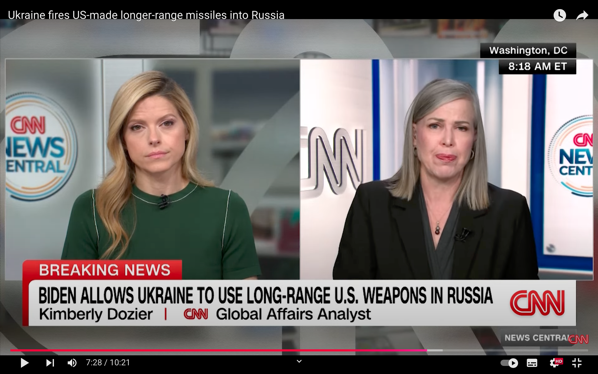
Ukrai­ne may fire US-provided mis­si­les into Rus­sia whe­re­ver it is com­ing under attack, Pen­ta­gon says

src: click (ABC)

This is not about geo­gra­phy. It’s about com­mon sen­se,” said spo­kes­man Army Maj. Char­lie Dietz. “If Rus­sia is attacking or about to attack from its ter­ri­to­ry into Ukrai­ne, it only makes sen­se to allow Ukrai­ne to hit back [on the attacking par­ty that was only “about to attack them” so - I think we call that first stri­ke­ab­le, right?] against the for­ces that are hit­ting it from across the border.”

Addi­tio­nal­ly, they can use air defen­se sys­tems sup­plied by the United Sta­tes to take Rus­si­an pla­nes out of the sky, even if tho­se Rus­si­an pla­nes are in Rus­si­an air­space, if they’re about to fire into Ukrai­ni­an air­space,” Dietz said in a statement.

I’m tel­ling you, that rus­si­an was about to fire! Good thing I saw him, befo­re he did!

So - ukrai­ni­an attacks on rus­sia are now limi­ted by “wait a minu­te, do you think we might need tho­se rockets to attack sup­ply rou­tes in Crimea”?

Ah, good were the days - when a Car­lo Masa­la would tell ger­man audi­en­ces, that the batt­le over Lyman was “very” important, becau­se from the­re - Ukrai­nes liter­al­ly could reach all train hubs, they alrea­dy could attack befo­re, becau­se they alrea­dy were wit­hin ran­ge before…

Now new in the port­fo­lio of “This by no means is sala­mi sli­ce tac­tics, this is a “Lear­ning Cur­ve”” regar­ding what Ger­ma­ny needs to green­light for the Ukrai­ni­ans to use at any given moment: They can now use ever­ything, to fire at anything - if they think - it was about to fire at Ukraine.

Eska­la­ti­ons­spi­ra­le? I wo -- “Lern­kur­ve”, hat uns Clau­dia Major von der Stif­tung Wis­sen­schaft und Poli­tik doch bei­gebracht!

edit: Wait -- lets not for­get the “This is not about geo­gra­phy. It’s about com­mon sen­se,…” part! So -- what was the pro­vo­ca­ti­on that lead to the US esca­la­ting in that fashion? You know, from only allowing mis­si­les to attack rus­si­an for­ces in rus­sia, near Char­kiev? Oh, right… The­re was none. The esca­la­ti­on real­ly was just “about com­mon sen­se” and did not need any “geo­gra­phic restric­tions” becau­se they were soooo two weeks ago.

edit: Es gibt aber auch wie­der gute Nach­rich­ten. Der Stan­dard wider­spricht gera­de Forbes…

Don’t Fear Russia’s 3.3-Ton Glide-Bomb. It’s Mas­si­ve Over­kill When A 1.1-Ton Glide-Bomb Will Kill You Just Fine. (For­bes)

Russ­land setz­te neue ton­nen­schwe­re Bom­be im Krieg ein (Der Standard)

Auch des­we­gen hat Kiew neben einer ver­stärk­ten Flug­ab­wehr auch immer wie­der gefor­dert, mit west­li­chen Waf­fen auch mili­tä­ri­sche Zie­le über rus­si­schem Gebiet angrei­fen zu können.

Aso - wegen der Bom­be die eh kei­nen Unter­schied macht.

Klar, war­um bin ich nicht drauf gekommen…

But as a glide-bomb, the FAB-3000 also would be unwie­l­dy and likely lacking in ran­ge [30km]. Don’t worry about the 3.3-ton FAB-3000. Ins­tead, worry about the Rus­si­an glide-bombs that aren’t imp­rac­ti­cal for ever­y­day use: the FAB-500, FAB-1000 and FAB-1500.

src: click

Food security now also includes metals

19. Juni 2024

Gre­at news from good friends at Euro­pean Prav­da! They actual­ly mana­ged to influ­ence Switz­er­land to rephra­se their final Bür­gen­stock com­mu­ni­quee in 5 vital points:

Ukrai­ne Peace Sum­mit turns hard on Rus­sia. How lea­ders amen­ded the final decisi­on under criticism

THURSDAY, 13 JUNE 2024 — SERGIY SYDORENKO, EUROPEAN PRAVDA

Har­sh cri­ti­cism of the agreed draft reso­lu­ti­on of the Peace Sum­mit, voi­ced both in Ukrai­ne and by Ukraine’s allies, for­ced the orga­nisers to make con­ces­si­ons. Switz­er­land, which is orga­ni­sing the Glo­bal Peace Sum­mit, sent a radi­cal­ly revi­sed docu­ment to all capi­tals of the par­ti­ci­pa­ting coun­tries, cor­rec­ting key issu­es high­ligh­ted by Euro­pean Pravda.

The updated draft is ent­i­re­ly accep­ta­ble for Ukrai­ne. It expli­ci­tly calls the war “Rus­si­an aggres­si­on.” Loo­p­ho­les that could have paved the way for ter­ri­to­ri­al con­ces­si­ons from Ukrai­ne were remo­ved from the text. Several sta­tes that had plan­ned to attend the Peace Sum­mit in Switz­er­land have deci­ded not to go the­re after the draft decisi­on was chan­ged in favour of Ukraine.

Euro­pean Prav­da has lear­ned the details of the nego­tia­ti­ons and the decisi­on that will be adop­ted this weekend.

Behind the sce­nes of the Peace Summit
The time­li­ne of the­se events is cru­cial: it shows how urgent the chan­ges that occur­red over the past week were.

The idea to hold the Peace Sum­mit in Switz­er­land was agreed upon at the begin­ning of the year. On 10 April, Switz­er­land announ­ced the agreed date and loca­ti­on for the sum­mit. Lea­ders of about 160 coun­tries, four inter­na­tio­nal orga­ni­sa­ti­ons (UN, EU, Coun­cil of Euro­pe, OSCE), the Pope and the Ecu­me­ni­cal Patri­arch were invi­ted to the Bür­gen­stock Alpi­ne Spa. It was pre­de­ter­mi­ned that Rus­sia would not be pre­sent at the first Peace Sum­mit, which Ukrai­ne deman­ded in the first place.

Both Kyiv and Bern aimed to adopt a decisi­on fol­lowing the sum­mit. Howe­ver, the wor­d­ing nee­ded to be agreed upon by all participants.

Pre­pa­ra­ti­on for this docu­ment star­ted more than two mon­ths ago. Euro­pean Prav­da has the April draft of the joint com­mu­ni­qué, whe­re the sum­mit dates were still ten­ta­ti­ve. That docu­ment was pre­pa­red in Kyiv and was ent­i­re­ly accep­ta­ble for Ukrai­ne, adhe­ring to the important red lines for Ukrai­ni­an society.

Howe­ver, Switz­er­land per­sua­ded Ukrai­ne to sof­ten it as much as pos­si­ble, con­si­de­ring the wis­hes of all par­ti­ci­pants. On 28 May, a com­pro­mi­se ver­si­on was sent from Bern to all capi­tals, and initi­al­ly, Kyiv had to agree to it.

Ever­ything chan­ged when the public lear­ned that this draft was dan­ge­rous for Ukraine.

The dis­cus­sion began with an arti­cle by Euro­pean Prav­da, publis­hed on 5 June. The next day, on 6 June, Kyiv was for­ced to make public state­ments asser­ting that “Ukrai­ne will not retre­at from the Peace For­mu­la.” This fue­led dis­cus­sions in the capi­tals of Ukraine’s allies, which were also not thril­led with the wor­d­ing of the Swiss docu­ment. At least a few of them con­ta­c­ted Bern with a pro­po­sal to revi­se the joint statement.

On 9 June, Switz­er­land had sent a com­ple­te­ly new draft to all coun­tries. Amen­ding the com­mu­ni­qué took mere days, not mon­ths as before.

What has changed
The summit’s decisi­on remains unch­an­ged in for­mat and struc­tu­re. This is a two-page docu­ment dedi­ca­ted to three issu­es: nuclear secu­ri­ty, food secu­ri­ty and the pri­so­ners of war. Key issu­es that lay out­side the­se points have been addres­sed though.

Rus­si­an Aggression
– Old wor­d­ing: The May draft decisi­on of the Peace Sum­mit did not men­ti­on the word “aggres­si­on,” mea­ning the inter­na­tio­nal crime whe­re Rus­sia is the per­pe­tra­tor and Ukrai­ne the victim.

– New wor­d­ing: This has been amen­ded. The joint com­mu­ni­qué now refers to “the aggres­si­on of the Rus­si­an Fede­ra­ti­on against Ukraine”.

Ter­ri­to­ri­al Inte­gri­ty and the UN Charter
– Old wor­d­ing: the pre­vious sum­mit decisi­on ver­si­on crea­ted a legal win­dow to inclu­de Ukrai­ne aban­do­ning part of its ter­ri­to­ry in the con­di­ti­ons of “sus­tainab­le peace with Rus­sia”, if necessary.

– New wor­d­ing: the new draft decisi­on clear­ly sta­tes that the basis for sus­tainab­le peace will be only “a solu­ti­on based on the princip­le of respect for the ter­ri­to­ri­al inte­gri­ty and sov­er­eig­n­ty of all sta­tes”. [Cri­mea back to Ukrai­ne, and no neu­tra­li­ty that inclu­des “limi­ta­ti­on on mili­ta­ry forces”]

Alter­na­ti­ve Peace Formulas
– Old wor­d­ing: the pre­vious draft blur­red the mea­ning of the Peace For­mu­la and ope­ned up space for inter­na­tio­nal dis­cus­sion of all alter­na­ti­ve visi­ons of peace, such as the Chinese-Brazilian one, which envi­sa­ges a halt to the streng­t­he­ning of Ukraine’s Armed For­ces and a ces­sa­ti­on of hostilities.

– New wor­d­ing: the new wor­d­ing sta­tes that only peace pro­po­sals that com­ply with inter­na­tio­nal law (i.e. an uncon­di­tio­nal return of the 1991 bor­ders, unless revi­sed by Ukrai­ne its­elf) and the UN Char­ter (in par­ti­cu­lar, Ukraine’s uncon­di­tio­nal [no for­ce limi­ta­ti­on] right to con­ti­nue repel­ling Rus­si­an aggres­si­on and libe­ra­ting the occu­p­ied ter­ri­to­ries) will be taken into account.

Invol­ve­ment of Russia
– Old wor­d­ing: the ear­lier ver­si­on tur­ned Rus­sia from an aggres­sor into a par­ti­ci­pant in peace talks, requi­ring only vague “confidence-building mea­su­res” on nuclear and food security.

– New wor­d­ing: this sec­tion has been rewrit­ten from scratch. The Swiss agreed not to men­ti­on Rus­sia at all in the pro­vi­si­on on peace talks, ins­tead refer­ring to “all par­ties”. The­re is no lon­ger a wea­ke­ned requi­re­ment for “confidence-building mea­su­res”, but ins­tead “spe­ci­fic actions” are requi­red. And most import­ant­ly, the refe­ren­ces to a “second peace sum­mit” that hin­ted at a com­mit­ment to invi­te Rus­sia to par­ti­ci­pa­te have been removed.

Food Secu­ri­ty
– New addi­ti­on: The updated docu­ment inclu­des the state­ment that “attacks on mer­chant ships in ports and along the ent­i­re rou­te, as well as against civi­li­an ports and civi­li­an port infra­st­ruc­tu­re, are unac­cep­ta­ble”. This falls under the glo­bal food secu­ri­ty sec­tion but app­lies to all civi­li­an ves­sels, inclu­ding con­tai­ner ships or tho­se expor­ting Ukrai­ni­an metals. Con­ti­nued attacks would block Russia’s par­ti­ci­pa­ti­on in peace initiatives.

The­se signi­fi­cant chan­ges ensu­re that the new draft of the sum­mit decisi­on is more accep­ta­ble to Ukrai­ne, rein­for­cing its ter­ri­to­ri­al inte­gri­ty, addres­sing Rus­si­an aggres­si­on accu­rate­ly and main­tai­ning strin­gent con­di­ti­ons on peace nego­tia­ti­ons invol­ving Russia.

The docu­ment is accep­ta­ble for Ukraine
The Joint Com­mu­ni­qué on a Peace Frame­work in its new ver­si­on aligns with Ukraine’s inte­rests. Alt­hough the­re are still minor remarks, the main dan­gers have been addres­sed. Cur­r­ent­ly, the draft is not yet final: the­re is still a pos­si­bi­li­ty of point chan­ges on 13-14 June. Howe­ver, Euro­pean Pravda’s sources are incli­ned to belie­ve that the updated con­tent of the decisi­on will remain.

Rea­listic expec­ta­ti­ons are necessa­ry. This sum­mit will not lead to a bre­akthrough or end the war. Ukrai­ne is merely taking one of the first steps on a long path. Howe­ver, it is cru­cial that this step is in the right direc­tion and does not crea­te new problems.

The hig­her ambi­ti­on of the docu­ment came at a cost:

several coun­tries have decli­ned to par­ti­ci­pa­te in the sum­mit. As of 5 June, Switz­er­land offi­cial­ly announ­ced that it had “recei­ved more than 80 con­fir­ma­ti­ons of atten­dance at the level of heads of sta­tes and governments”, and the total num­ber of con­fir­med atten­de­es, as repor­ted by offi­cials, excee­ded 100. Howe­ver, in the fol­lowing days, this phra­se had to be remo­ved from the event’s web­site, and now it reads that “around 90 sta­tes have con­fir­med their par­ti­ci­pa­ti­on in the Sum­mit on Peace in Ukrai­ne, most of them at head of sta­te or government level”.

Sources of Euro­pean Prav­da repor­ted that, in rea­li­ty, about 15 coun­tries have “pau­sed” their atten­dance. In addi­ti­on, the num­ber of tho­se who have signal­led a demo­ti­on from the pre­si­den­ti­al or prime minis­te­ri­al level to the level of minis­ters or even their depu­ties is in the dozens.

Alt­hough it is obvious that due to the recent chan­ges, the sum­mit will be atten­ded by fewer sta­tes than initi­al­ly anti­ci­pa­ted by Ban­ko­va Street [whe­re the Ukrai­ni­an President’s Office is loca­ted] eight days ago, it is bet­ter to have a sum­mit of like-minded peop­le than to make con­ces­si­ons on issu­es that are cri­ti­cal for the state.

Ser­giy Sydorenko

Euro­pean Prav­da, Editor

src: click

Final­ly!

Bildschirmfoto 2024 06 19 um 07 54 42
src: click

Da kann der Krieg ja end­lich weitergehen.

edit: Fun­ding for good friends at Euro­pean Prav­da pro­vi­ded by:

Inter­na­tio­nal donors sup­port the pro­ject finan­cial­ly, on the pro­vi­so that they do not inter­fe­re in edi­to­ri­al poli­cy. Finan­cial sup­port was pro­vi­ded by the Euro­pean Endow­ment for Demo­cra­cy, Inter­na­tio­nal Renais­sance Foun­da­ti­on, Coun­cil of Euro­pe, and NATO Public Diplo­ma­cy Divi­si­on (PDD).

Sin­ce June 2016, Euro­pean Prav­da has been co-financed by the Euro­pean Uni­on. Par­ti­al co-financing is pro­vi­ded from the NATO PDD and from adver­ti­sing reve­nues. From 2018, the main co-donor of the pro­ject is the Natio­nal Endow­ment for Demo­cra­cy (NED), fun­ded from the US Con­gress budget.[3]

Accord­ing to the edi­tor, Ser­hii Sido­ren­ko, “EP” is a non-profit orga­niz­a­ti­on, as of Febru­a­ry 2021.[8]

src: click

Great success!

18. Juni 2024

Eine Absa­ge aus Pro­test, zwei Rück­zie­her und ein ver­schwun­de­ner Prinz: Auf dem Bür­gen­stock rum­pel­te es hin­ter den Kulissen

src: click (NZZ)

Zeit für Medienintervention!

DIE ANDEREN WAREN SCHULD! SIE SIND DIE BÖSEN! DIE ANDEREN SIND DIE BÖSEN!

Am Ukraine-Gipfel zer­schell­ten diplo­ma­ti­sche Hoff­nun­gen an den geo­po­li­ti­schen Rea­li­tä­ten. Was beweg­te wich­ti­ge Schwel­len­län­der, Sand ins Getrie­be des Frie­dens­pro­zes­ses zu streuen?

Zum Abschluss des Gip­fel­tref­fens auf dem Bür­gen­stock bemüh­ten sich die Schwei­zer Gast­ge­ber, das Bild eines rund­um geglück­ten Gross­an­las­ses zu zeich­nen. Doch bei einem genaue­ren Blick zeigt die­ses Bild kla­re Ris­se. Berns Hoff­nung auf eine brei­te Ein­heits­front für den Frie­den zer­schell­te an den geo­po­li­ti­schen Rea­li­tä­ten. Sym­pto­me dafür gab es auf dem Bür­gen­stock und in den Tagen davor zuhauf: Ein Staats­prä­si­dent sag­te unter wüten­dem Pro­test sei­ne Teil­nah­me kurz­fris­tig ab, zwei Län­der des­avou­ier­ten die Schweiz mit ihrem Nein zur Schluss­erklä­rung, nach­dem die Gast­ge­ber sie bereits zum zustim­men­den Lager gezählt hatten.

Zuletzt ver­wei­ger­ten ins­ge­samt 15 von 93 teil­neh­men­den Staa­ten ihre Unter­schrift unter die Bürgenstock-Deklaration. Das ist ein unüb­lich hoher Anteil. Denn bei sol­chen Gip­fel­tref­fen wird nor­ma­ler­wei­se im Vor­aus ein Kon­sens gesucht, oder man einigt sich not­falls in letz­ter Minu­te auf eine ver­wäs­ser­te Variante.

Also gre­at suc­cess! Accord­ing, to the aus­tri­an News­pa­per “Der Stan­dard” - die NZZ titelt der­weil bereits 

Mos­kaus sieht sich bestä­tigt - Kiew zieht zwie­späl­ti­ge Bilanz”

Gre­at suc­cess, much hope, very! For next ses­si­on of Selen­skyj peace for­mu­la sum­mit! Why in Sau­di Ara­bia - AGAIN (Copen­ha­gen, Jed­dah (KSA), Mal­ta and Davos)? Becau­se coun­try very neu­tral, and gre­at democracy!

Much!

Nato is peace!

18. Juni 2024

Point 1 - Accord­ing to Stol­ten­berg “The­re is real­ly no dif­fe­rence bet­ween the rus­si­an war in Ukrai­ne and the upco­m­ing attack of Chi­na on Tai­wan” - even though one didnt hap­pen yet.

Point 2 - Mode­ra­tor: How is the Arc­tic dif­fe­rent in terms of Nato is safe­guar­ding peace? “Its real­ly not dif­fe­rent. The Arc­tic is also a buch of land and water and ice, but less ice now, and more sea, so the Arc­tic also very important in Natos mis­si­on to safe­guard peace”!

Point 3 - Com­pa­re and con­trast with a goog­le search for “nato attacks without un mandate”.

Com­pa­re and con­trast with a goog­le search for “nato excee­ded un mandate”.

Or if you can sto­mach it - with this:

Point 4 - “Chi­na wants to join the Arc­tic cir­cle alli­an­ce, someo­ne told me - they also want to be part of this, but they arent even an Arc­tic country!”

Mean­while - North Atlan­tic Trea­ty Orga­ni­sa­ti­on opens “head­qua­ters” in Japan, …

NATO to set up liai­son office in Tokyo, beef up regio­nal ties (Reu­ters)

Oh, sor­ry - the most important point:

Point 5: Ukrai­ne has to join Nato - other­wi­se we can not be sure Rus­sia wont attack Ukrai­ne again!

For that to hap­pen, Ukrai­ne has to be clo­se­ly brought up to Nato stan­dards, so that “WHEN THE TIME IS RIGHT” in a Moment of weak­ness for rus­sia, when Tur­key can be con­vin­ced as well, the actu­al joi­ning pro­cess can hap­pen without the nor­mal path of action, in a quick­track fashion, wit­hin a few weeks. “This is the only way to just and per­ma­nent peace.”

SO NOT MUCH CHANGED THEN, SINCE THE BEFORE THE WAR PERIOD, I RECON?

Die­se Gesell­schaft ist das abso­lut gro­tesk und abar­tigst Allerletzte.

Point 6:

Nato has been so suc­cess­ful, becau­se its mis­si­on state­ment was so clear, to pro­tect peace.” (Jens Stoltenberg)

but also

I’m opti­mistic, Nato is so suc­cess­ful, becau­se we have pro­ven so agi­le and adap­ta­ble over time.” (Jens Stol­ten­berg, same Press conference)

Gut, Pro­pa­gan­da hat wie­der nie­mand ent­deckt, was will man machen…