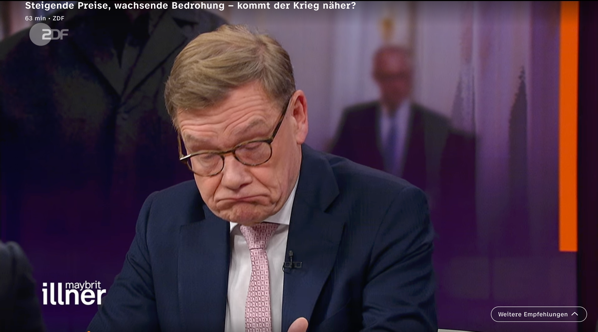
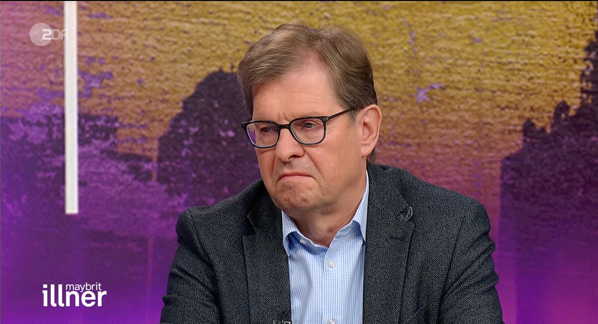
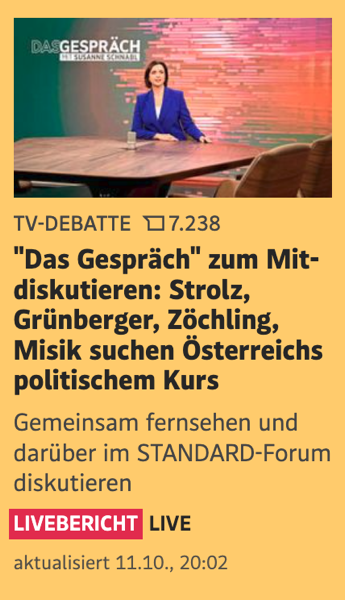
5 zu 0 Konstellation am Tisch (die SPD hat sich schon entschieden dem Friedensflügel den Maulkorb zu verpassen - das schwarze Lamm vom BSW mit 5 Sekunden Delay via Schalte --
oder wie die Moderatoren des Bruno Kreisky Forums dazu sagen “wir behindern im Wertewesten ja nicht die freie Meinungsäußerung” (wir zahlen nur die Propaganda dagegen, und die trusted Flagger, und legen Politkern Maulkörbe an, und sehen zu, dass nur die dümmsten Journalisten in den Hauptabend kommen… (Illners Markenzeichen ist Illner beim Denken zuzuschauen. Das berühmnte Illner “hhmmm…”))
Aber lassen sie uns nicht so viel über den Lügner Misik reden, …
Komm - zum Thema:
Wadephul: “Russland hat den vereinbaten Waffenstillstand nicht eingehalten! Also ist es jetzt wie immer, erst mal wieder Russland am Zuge - eh und das wär ja mal wieder ein Einstieg, übrigens auch ein Waffenstillstand auf dem Schwarzen Meer, damit die Getreide Transporte stattfinden können, die ja…”
Illner “Schattenflotte da wird angegriffen.”
Wadephul: “Nun, das ist keine Schattenflotte, sondern…”
Illner: “Endschuldigen sie bitte, .…”
Die Schattenflotte der Ukraine, oder?
Aber wie Recht Illner doch hat, was haut die Ukraine grad die Schattenflotte im schwarzen Meer weg.
Also - nur damit wirs festhalten --
Das ist der hochgradige Lügner Wadephul beim Behaupten
1. der Waffenstillstand war vereinbart und
2. Russland habe ihn gebrochen und
3. bei der Behauptung - wenn Russland noch irgendwie wieder reden will, müssen sie uns erstmal eine Waffenruhe zugestehen!
Weil diese VOLLKOMMENECHTELOGIK, ja die LOGIKDERDEUTSCHENBUNDESREGIERUNGIST:
Schritt 1: Die US sagen Verhandlungen ohne Waffenstillstand.
Schritt 2: Deutschland sagt keine Verhandlungen ohne Waffenstillstand.
Schritt 3: Die US erfinden eine partielle Waffenruhe.
Schritt 4: Deutschland sagt, weil Russland die gebrochen hat, zurück zu Schritt 2
Schritt 5: Daneben sitzt der Friedensflügel der SPD und hält brav ’s Maul.
und das ist der bezahlte Funktionspolitiker beim dazu nichts sagen dürfen und innerlich wieder einen Tod mehr sterben.
Gott sei dank ist die Illner zu blöd für alles, und erwähnt die Schattenflotte die die Ukraine angreift.
Also der Kompromiss ist jetzt Russland darf wieder unbegrenzt Öl über das schwarze Meer liefern, oder? Da wär doch was, was Wadephul persönlich aushandeln könnte!
Willkommen beim Hauptabend in Deutschland…
edit: Und kein Journalist im Wertewesten der das berichten konnte… Die haben nämlich alle zur selben Zeit Let’s Dance gschaut.
Nahezu jedes Qualitätsjournalisnus Outlet im deutschsprachigen Raum hat zugewartet, bis die Ukraine das Narrativ fixt.
Das hat sie soeben getan.
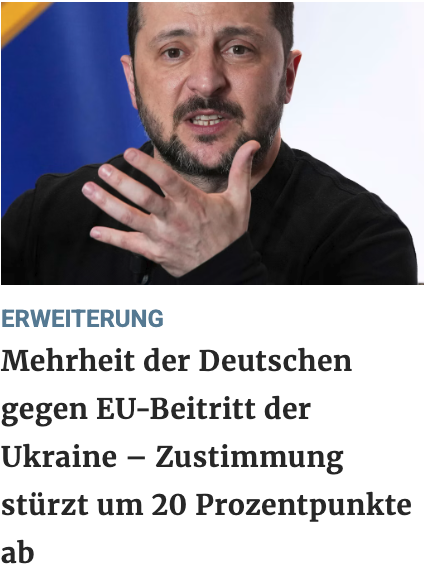
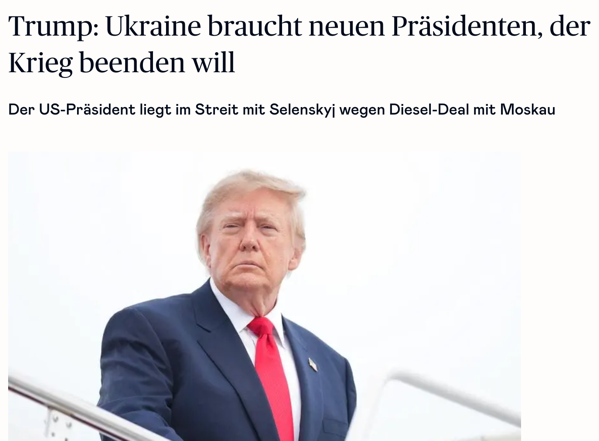
“Donald Trump will mich absetzen, da sie wissen, dass ich Selenskyj es nie zulassen werde, dass die Ukraine Territorium verliert.”
Das wars - mehr hats nicht gebraucht, damit ist die bisher fünf Jahre andauernde Lüge, dass die Ukraine einen Verhandlungsfrieden suche endlich berichtigt.
Die Ukraine bleibt so lange im Krieg, bis sie ihr gesamtes Territorium zurückpressen kann. Trotz besetzten Territoriums, das sie selbst nicht zurückerobern kann, kaum Movement seit einem Jahr, den gegenteiligen Wünschen der Ukrainer in den letzten 15 staatlichen Umfragen, einer Strategie von der die Ukraine nicht weiß ob sie sie noch fortsetzen kann. Und das alles dank der besten Logikfolge seit fünf Jahren Krieg:
Selenskyj: “Die Einzigen die mich abwählen können sind die Ukrainer [.….….….….….….….….….….….….….….….… wenn der Krieg vorbei ist, oder Russland mir einen Vorteil am Gefechtsfeld durch 60 Tage Waffenruhe schenkt]”
Nur - FUCKINGWARUM - haben wir darauf 4 Jahre und drei Monate warten müssen?
Konkrete Aussage am 26.05.2022, die aus der Öffentlichkeit entfernt wurde:
Kuleba: “Unsere Rahmenbedingungen für unsere Freude und Partner Verhandlungsformate aufzuzäumen sind: 1. Keine Veränderung der Kontaktlinie und 2. Beibehaltung der territorialen Integrität der Ukraine.”
Das sind und waren - MAXIMALFORDERUNGEN.
Die in keiner Entsprechung in den alten (Anchorage, wie kolportiert) und neuen (siehe Washington Post vorgestern) Vertragsentwürfen der US (DEMVERHANDLUNGSLEITERSEITDREIJAHREN) auch nur angedacht sind. Siehe Washington Post Artikel von vorgestern.
Vielleicht erinnern sie sich noch an ZDF Medienpropaganda Stunts wie das letzte Lanz Interview mit Selenskyj, bei dem ein gewisser Herr Kommunikationswirt, zwar gefragt hat - wie verhandlungsbereit Selenskyj denn sei -- dann aber vor laufenden Kameras drauf gekommen ist, nicht sehr - “der Krieg wird wohl noch ein wenig weiter gehen”.
Vielleicht erinnern sie sich auch noch ans solche FUNDAMENTALENPATZER der Ukrainischen Propaganda wie “Russland hällt eh keine zwei Jahre mehr durch” bei France 2 als die Ukraine gerade sooo dringend verhandeln wollte.…
Was daraufhin eine erneute Offensive der Ukraine für Landgewinn notwendig gemacht hat -- da das ansonsten in den Geschichtsbüchern SCHEISSE ohne Kontext gestanden wäre. Worauf die Ukraine drei Wochen Später wieder mal die Krim “isolieren und damit den Krieg gewinnen wollte”.
Die entsprechende Operation in den Sand gesetzt ist kein Ausdruck -- es war nie ein ernsthafter Versuch.
Gott sei Dank ist all das nicht mehr notwendig, Selenskyj WILLENDLICHDENENDSIEG.
So hat er sich zusammenreissen müssen für vier Jahre, nicht immer rauszuposaunen - wir wollen den totalen Sieg.
Nur einmal hat er sich versprochen - bis zu seiner Narrativänderung -- in der Zitat UK Medien “schwersten Stunde der Ukraine”.
Gut ists gangen, der Standard kann ab heute endlich offen schreiben, dass er den totalen Krieg bis zum Sieg gegen Russland offen unterstützt im der Verfassung nach neutralen Österreich.
Und sehen wir uns noch einmal die Wirkungsweise der Propaganda an. “Trump (vulgo das Böse) will mich Selenskyj (vulgo das Gute) loswerden, da er weiss, da ich NIEMALS einer Gebietsabtretung zustimmen würde, die die Mehrheit meiner Bürger seit zweieinhalb Jahren in der Form von Konzessionen als Teil eines Verhandlungsfriedens fordert, die mich ja jederzeit absetzen kann, in Wahlen die ich ihnen aber nur zugestehe, wenn Russland für zwei Monate garnicht mehr schiesst”.
Signiert, der Wertewesten.
Applaus bitte.
Grotesk gut gelaufen, würd ich sagen.
Das merkt die Urli-Oma nie, dass Österreich jetzt mit Russland im Krieg ist. Bis zum Endsieg gegen Russland.
Und wie berechtigt das nicht ist, ich mein -- unfassbar was Trump unserem Helden angetan hat!
Wollt der ihn doch glatt zu Verhandlungen zwingen. Und als es Selenskyj zum wiederholten Mal verweigert hat, absetzen.
Wie wird das ZDF das wieder verstecken, wos doch in der Washington Post steht, man weiß es nicht.
Die Ukraine hat den neuen US Vorschlag abgelehnt, bevor er an die Russen übermittelt werden konnte -- erst darauf ist Trump mit “Die Ukrainer sollten einen neuen Präsidenten wählen” an die Presse gegangen.
Es wär halt toll gewesen, wenn die Medienabteilung in Davos nicht das Zeitdokument das die selbe Position der Ukraine bereits im Mai 2022 belegt getilgt hätte, sie hätten nicht mal fürs Hosting bezahlen müssen, es war in der Form einer Pressekonferenz-Aufzeichnung bereits auf Youtube.
Aber nein, die Öffentlichkeit darfs ja fünf Jahre lang nicht wissen. Im Mai 2022 war die Selenskyj ist Churchil Propaganda ja noch garnicht durch, die ist ja erst Ende März 2022 gestartet (siehe: click), und das braucht immer gute 4-6 Monate, bis jeder nachplappert, er hätte es eh schon immer selbst so gesehen.
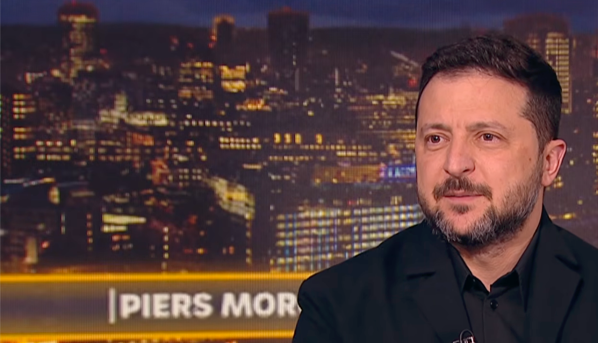
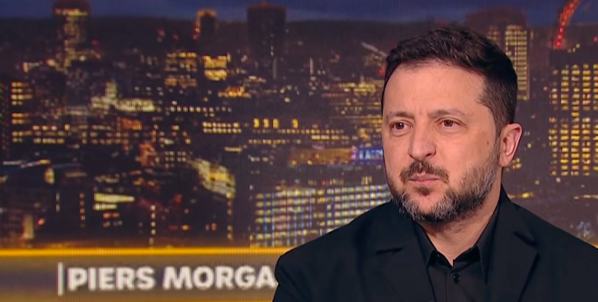
edit: Toll aber auch die nächste Lüge von Selenskyj im Piers Morgan Interview, die wieder kein deutschprachiges Qualitätsmedium aufgreift:
“Die Russen nutzen Energieabkommen mit den US, um uns ÜBERDIEUSAALSHANDELNDERAKTEUR, aus dem Donbas zu vertreiben!”
Der Vertragsentwurf den Selenskyj abgeleht hat beinhaltete laut Washington Post einen Freeze an der aktuellen Line of Engagement.
Wie viele Präsidenten anderer Länder kennen sie, die dem US Präsidenten mittels einer Lüge unterstellt haben Land in einem Drittland in Treibstoff Deals mit Russland zu VERKAUFEN. Und die dann noch bei der BBC in die Kamera grinsen dürfen.
Also ich kenn einen.
Bonus: Wir kennen auch schon den Preis für den Rest des Donbas! 16 Stunden Diesel für die US. Laut Selenskyj. Bereits wiederholt, dh. zum zweiten Mal in die Kamera gesagt.
Falls sie zu doof sind zu googlen was das in USD bedeutet, ein Drittel (die Gewinnspanne) von 1.5 Mrd USD. Das ist Laut dem Dreckslügner Selenkyj der Preis für den die USA Russland Land in Ländern dritter (den Rest des Donbas) verkaufen.
Aber Hautpsache der BBC fällts nicht auf, und die deutschsprachige Qualitätspresse schreibts nicht, sag ich immer…
edit: Toll auch die zweite Lüge von Selenskyj bei Piers Morgan: “Wir sind ok damit, wenn Amerika neutral ist. Aber sie sind ja nicht neutral, sie helfen Russland mit einer Starlink-Abschaltung von einem Tag” direkt gefolgt von: “Wir dürfen Starlink ja benutzen, denn wissen sie - Europa hat das ja bezahlt”.
Bei uns gibt das schon wieder ein ganzes Burgtheater voll tosendem Applaus, bei Alpbach nahen Veranstaltungen.
edit: Fuck me. Die Medien haben Selenkyj gerade das Leben gerettet…
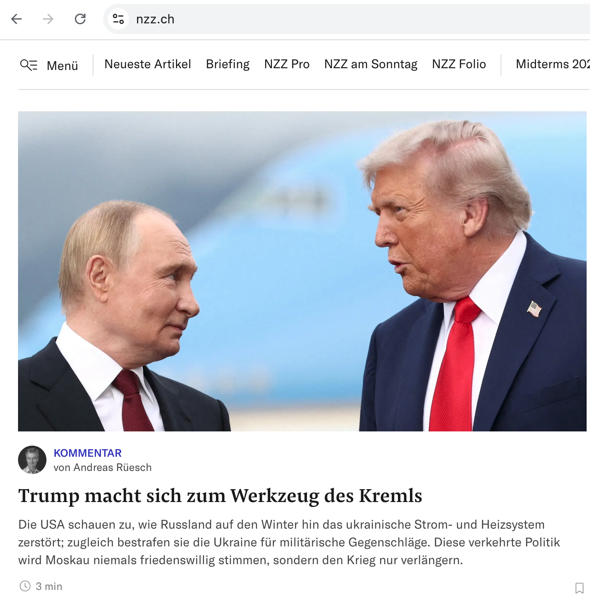
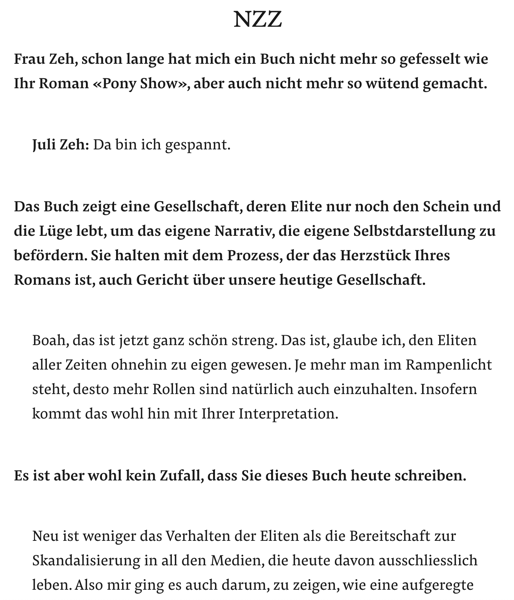
Die NZZ findet sechs Stunden nach der Selenskyj Äußerung jetzt auch, dass sich so zu äußern das Normalste der Welt ist…
Der Hurendrecksstandard noch nicht, aber das ist nur eine Frage von Stunden…
Na wenn das die NZZ schreiben kann, wird Selenskyj die Äußerung ja wohl überleben… Wobei Selenskyj war exakter und hat Trump zwei mal vor laufender Kamera unterstellt den Donbas gegen 16 Stunden Diesellieferung (das Equivalent eines Drittels (Gewinnmarge) von 1,5 Mrd USD) verkauft zu haben. Und die US Regierung hat dafür noch nicht mal einen Dollar gesehen, da das ja die Profitmarge von Privatunternehmen ist…
Wenn wir in zehn Jahren ukrainische Geschichtsbücher lesen, steht das so drinnen ja?
Ich freu mich.
edit: Die Hintergründe zum “good PR by the Americans” Sager von Selenskyj suchen sie sich selbst raus, ja?
(Das warn ja garkeine Verhandlungen bei denen die Europäer in Miami mit am Tisch gesessen sind, auch wenn die Europäer in Miami bei Verhandlungen mit am Tisch gesessen sind.)
Schließlich braucht Europa konditional zwei Monate komplette Waffenruhe um zu verhandeln.
Und Selenskyj eine Rückgabe aller besetzter Gebiete um mit Putin direkt zu sprechen.
Und wenn Trump darüber dann auszuckt und das verhindert indem er europäische Sanktionen nicht mehr mitgeht, weil die US wissen worauf das hinausläuft, und Russland einen Diesel Deal anbietet (mit der Begründung - die 16 Stunden Diesel sind eine Geste um Russland verhandlungsbereit zu bekommen), dann reist die Selenskyj Delegation natürlich sofort aus den US ab, obwohl sie diese Woche eigentlich verhandeln sollte. Denn ohne die US als Teil des Sanktionsregimes kann Selenskyj den Donbas nicht zurückpressen.
Den letzten Teilsatz bestätigt Selenkyj in der Form ebenfalls im Piers Morgan Interview. Also zusätzlich zu
“Donald Trump will mich absetzen, da sie wissen, dass ich Selenskyj es nie zulassen werde, dass die Ukraine Territorium verliert.”
Ich freu mich so.
Die deutschsprachige Qualitätspresse freut sich auch schon wieder so darüber - dass sie lieber die Geschichte des zurecht so emotionalen, bedrückten Selenskyj pusht - weil warum als Qualitätsmedium die Abläufe “der dunkelsten Stunde der Ukraine” korrekt berichten, sag ich mir immer…
Und Selenskyj findet auch, das ist sehr fein von der Europäischen Qualitätspresse und endet in der “schwersten Stunde der Ukraine” mit dem Statement - “[Most ukrainians support me] and all the parts of Ukraine that are occupied will be only temporarily occupied I’m sure” mit folgender Microexpression:
Hält nur für vier zehntel Sekunden. Aber sie sehen hier den Präsidenten der Ukraine in der laut UK Qualitätsmedien schwersten Stunde der Ukraine, wissen sie. Ich hab das auch aus den deutschsprachigen Qualitätsmedien.
Aus deren neutralen Kommentarspalten.
Da kann der Krieg ja endlich weitergehen.
Und als guter ukrainischer Schauspieler weiss unser Herr Selenskyj - Lippen zusammenpressen, Mund spitzen, um die Mimik wieder in der Griff zu bekommen, spart der Regie in 90% der Fälle den Abbruch des Takes…
Sehen sie, sie kennen das von sich selbst, wenn sie ohne dass das gegenüber Gerade was sagt im Alltag immer wieder grundlos den Mund spitzen, um ihre Mimik wieder einzufangen. Aber wahrscheinlich ist das nur die bei keinem anderen Menschen zu sehende Mimik von Selenskyj für “trockenen Mund”, oder so… Ich mein --
In der Wissenschaft ist das Konzept der Mikroexpressionen (flüchtige Gesichtsausdrücke, die nur 40 bis 500 Millisekunden andauern) stark umstritten und wird heute sehr differenziert betrachtet. Während die Existenz dieser ultrakurzen Muskelbewegungen wissenschaftlich belegt ist (Emotional Leakage, FACS by Paul Ekman), ist ihre Zuverlässigkeit bei der Erkennung von Lügen weitgehend widerlegt.
Er lügt eh nicht er fängt nur seine entgleiste Mimik wieder ein… Und die Mimik war in diesem Fall das Ehrlichste am gesamten Interview.
Zusatz: Mein Vater war gewalttätig und cholerisch, meine Mutter paranoid schizophren, im musste als Kind lernen Microexpressions zu lesen um den Gemütszustand meiner Eltern zu erkennen um zu überleben. Ansonsten wieder Schlag auf die Hand, wenn man am Sonntagstisch zur letzten Semmel gegriffen hat. (Sie wissen schon, die guten frühen Kindheitserinnerungen, …) Heute meinen die meisten Leute denen ich seit dem erkläre, das ist ein Fluch - ich denk mir das ja nur aus.
Ja. Genau.
Bei mir feuern bei solchen Szenen die Mirror-Neuronen Gefahr, Gefahr, inkonsistenter Gemütszustand zu dem was die Person sagt -- aber warum kann ich das nicht einfach ablegen, ich weiß auch nicht…
Und warum würde ich das in speziellen Lebenssituationen gerne abstellen können? Hmm… mal überlegen…
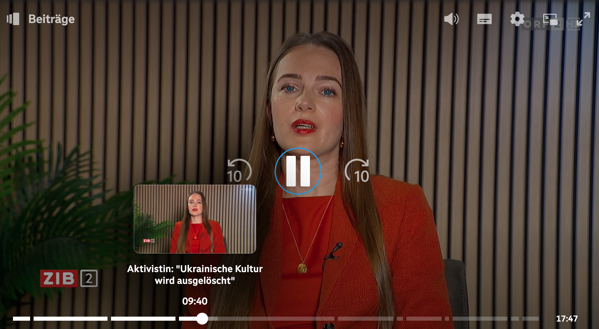
- hat es der ORF geschafft die öffentlich agierende Haupt-Propagandistin (!) der Ukraine (Oleksandra Matviichuk), bekannt und beliebt unter uns Fans der Book-talk circles der Atlantikfreunde nach Österreich, in die ZIB2 zu einer Schalte zu laden.
Hauptmessaging: “Elon Musk tötet mehr ukrainische Kinder.”
Nebenmessaging: “Die ukrainische Kultur wird ausgelöscht”
[Also nicht mehr das ukrainische Volk (Genozid), das ist ein Erkenntnisfortschritt, bei der Dame, … edit: Wobei, das “Auslöschen der Kultur” ist nach der neuen UN Definition glaub ich ebenfalls Genozid…]
Mr. Demokratie Armin Wolf persönlich, war heute leider verhindert, aber zu seiner brünetten Karenzvertretung (die ohne Demokratiepreis).
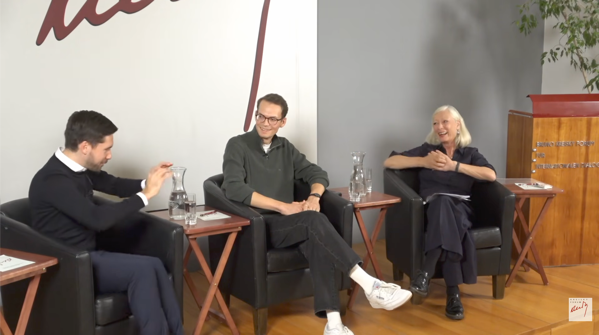
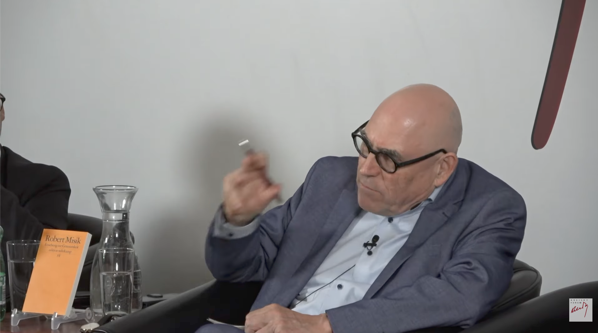
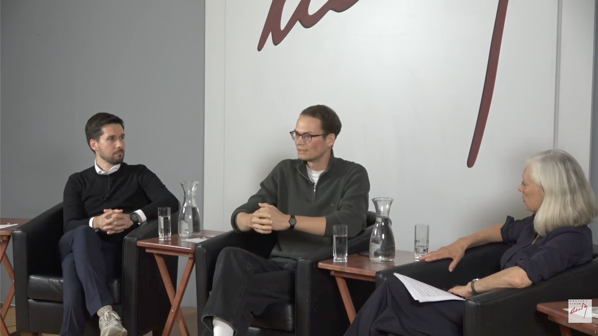
Für die, die das ukrainische Propagandanetzwerk dahinter nicht kennen, das hier ist die Dame bei einer Kurzgeschichten-Buchband Vorstellung beim Bruno Kreisky Forum für internationale Dialogvereitelung am 20. Juni 2025.
Wesentlich ist dabei die ad hoc Lesung der emotionalen Kurzgeschichte “Der traurige Tod der Victoria Amelina” aus selbigem Kurzgeschichten-Band:
Oleksandra Matviichuk: “And this book is unfinished because unfortunately my dearest friend Victoria was killed during deliberate Russian strike to cafe in Krematurk. I couldn’t read this book. It’s still very difficult for me to read it. Um but regardless that this book is unfinished, people said that it’s very good books. That’s why I’m presenting.”
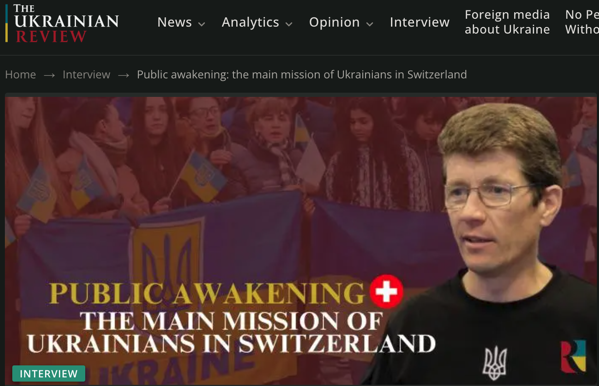
der im Interview mit der Weltwoche erwähnt, dass er aus dem schweizer Ableger eines von ihm mitgegründeten NGO Netzwerks stamme das Personen wie Oleksandra Matviichuk mit Mitgliedern des schweizer Parlaments zusammenbringe - da und ich zitiere:
“And all the big neighbours around – Germany, France, Italy – they are all much larger than Switzerland.
But at the same time, of course, we try to lobby our issues ourselves as much as we can. However, this works best when we create a platform, such as the ‘Ukrainian Forum’ in Parliament. There, representatives of the Ukrainian parliament and Ukrainian civil society, such as Oleksandra Matviychuk, head of the Center for Civil Liberties, have the opportunity to speak on the matter.
This is more powerful than just us coming and asking for something. One of our main activities is to create a platform where representatives of Ukraine and Switzerland can communicate directly.”
Der gute Mann Sasha Volkov hatte im verlinkten Weltwoche Interview leider starke Aussetzer bei der Erinnerung daran wer 2014 am Maidan aller gesprochen hat, und verleugnet beispielsweise die Existenz von Volodymyr Parasiuk
über die wunderschöne rhetorische Finte “Mein Opa war persönlich vor Ort, dem ist wirklich niemand aufgefallen der den amtierenden Präsidenten Yanukovych bedroht hätte, der ist einfach so aus der Ukraine geflohen, nicht weil das ein Putsch war.” und “Wenn Opi so jemanden dort gesehen hätte, dann hätte er es mir doch gesagt.”
- aber das macht ja nichts der Opi vom Volkov ist schließlich schon alt.
(Worauf die offizielle russische PR ich glaube über TASS rückgemeldet hat, dass Yanukovych zum vermeldeten Zeitpunkt nicht nur in Hiding war, da er das angedrohte Attentat gefürchtet habe, sondern sich sogar noch in der Ukraine befunden habe und noch nicht einmal das Land verlassen hatte.
Aber das nur aus der Erinnerung, ohne dass ich damals etwas darüber geschrieben habe, also bitte selbst recherchieren und mehrfach factchecken, dass das so von der russischen PR verlautbart wurde. Danke.)
Das ist mal wieder EXZELLENTES timing beim Experten Booking im ORF an Tagen wie heute.
Die hatten ja niemand Unabhängigen, den sie sonst heute zum Thema befragen hätten können.
Ob da der Misik bei der bei der Kontaktanbahnung behilflich war?
Sehen sie, wir stehen vor einem Problem. Wie verkaufst du es der Mitzi-Tant, dass es viel zu früh für Eingeständnisse gegenüber Russland ist (deutsche Bundesregierung gestern) - wie es für Deutschland ja auch unter Jens Spahn als Fraktionsvorsitzenden in einem Mahnbrief an die Fraktionen auch viel zu früh war ernsthaft über die Beteiligung Deutschlands an einer Friedenssicherung in der Ukraine zu sprechen (Koalition der Willigen), einen Tag vor dem High Five Handschlag “schön dass du da bist” ersten Staatsbesuch von Spahn in der Ukraine - mit offiziellen Würden.
Während es gleichzeitig aber exakt das richtige timing für eine 60 tägige Waffenruhe ist um.. um… nicht zu verhandeln, sondern den ukrainischen Präsidenten auszutauschen. Also die UvdL wär schon dafür. (Pressestatement gestern).
Die UShaben heute verlautbart - das was einmal Europa komplett als verfrüht, Unsinn, ungerechtfertigt, infam, den Krieg verlängernd (um einen Tag, siehe Menge der vereinbarten Lieferungen) -- zurückgewiesen hat, war ein Versuch Trumps Russland vor dem Winter wieder zu Verhandlungen zu bewegen. Die aktuell stattfinden.
Hat Russland die Ressourcen, um den Krieg noch jahrelang fortzuführen?
Antwort:Das ist die falsche Fragestellung, die Sichtweise eines Zuschauers – als könnte der Krieg von selbst enden. Die zentrale Frage ist: Was muss getan werden, damit er auf für uns vorteilhafte Weise endet? Europa sagt nichts darüber. Meine Antwort lautet: Dieser Krieg wird entweder gewonnen oder verloren. Man kann nicht die Hälfte der Ukraine abgeben und sagen: «Wir sind zufrieden.» Putin braucht nicht einmal die ganze Ukraine. Sie ist für ihn nur ein Werkzeug, um Europa und Amerika zu zeigen, wer Herr ist in dieser Einflusssphäre. Wenn Putin diesen Krieg gewinnt, dann nicht, weil er so mächtig ist, sondern, weil der Westen ihn nicht besiegen will.
Selten ein so verklausuliertes “Ja” gelesen.
Der Westen will wohl schon. Aber er weiss nicht, wie.
Antwort:Wenn man etwas will, muss man über das Wie nachdenken. Über vier Jahre lang etwas zu wollen und keine Antwort zu finden, ist seltsam.
NZZ Artikel heute 2:
Der ehemalige ukrainische Aussenminister Dmitro Kuleba hat das dieser Tage noch einmal eindringlich im Gespräch mit Paul Ronzheimer dargelegt. Er schildert ein Land, das in die Pfadabhängigkeit des Krieges geraten ist. Die Wirtschaft ist auf Kriegswirtschaft umgestellt, die Öffentlichkeit auf Feindschaft gegenüber dem Westen gepolt.
[…]
Putin, so Kuleba, sei vor allem besorgt um seinen Eintrag in den Geschichtsbüchern. Die Unterwerfung der Ukraine ist laut ihm höchstens einen kleinen Eintrag wert. Nicht aber, wenn es Putin gelänge, allen zu zeigen, dass Russland stärker ist als Europa.
[…]
Doch wenn es um Russland und Putin geht, irren sich die Populisten gewaltig. Es geht in der Politik immer darum, Risiken gegeneinander abzuwägen. Das Risiko, Putin eine offene Flanke zu bieten, sollte Deutschland nicht eingehen.
Es ist endlich an der Zeit dass Europa offen in einen langen Krieg geht. Sonst wird das Schreiben der Geschichtsbücher zu schwer.
Ich mein - die Ukraine ist voll dafür.
Die Expat-PR der Transatlantiker auch. Also worauf noch warten?
Gut, BND und NATO sagen Stand gestern “geringe Wahrscheinlichkeit eines Angriffes auf Nato Staaten”.
Aber darum gehts nicht, das Narrativ ist nicht mehr haltbar. Die NZZ hats als Erste begriffen, wann folgt dein Medien Outlet?
60 Tage Waffenstillstand wofür? Für es ist zu früh für Zugeständnisse? Ist das die europäische Hardball Verhandlungsstrategie? Die gerne auch einen längeren Krieg riskiert? Einen Kriegswinter der Ukrainer?
Ich mein, die Ukraine wär dabei!
Nein, es geht darum Russland langfristig mit einem Sanktionsregime zur Rückgabe der “temporär besetzten Gebiete” zu zwingen. Und wenn die US jetzt Handelsverträge mit Russland abschließen, funktioniert diese europäisch/ukrainische Strategie auch nicht mehr.
Wobei, nicht Blub, blub blub. Block, blunt, bludgeon oder so… siehe: click
Das steht für folgendes
1. Blub - eh block:
Wenn der Russe im Baltikum einfällt, blocken wir ihn direkt an der Grenze, damit er keine Verhandlungsmasse bekommt. Wenn das nicht klappt, weil Planung vs. Realität im Krieg ja nie ein Faktor ist, ist Stufe eins unserer Kriegs-Strategie im Eimer.
2. Blunt:
Danach haun wir Drohnen drauf was das Zeug hält. Gut, Deutschland hat die nicht eingekauft - aber unsere Versorgungswege laufen über China via Ungarn glaub ich - zumindest machen meine Pakete immer diesen Weg. Gut, also der Russe stumpft dadurch dann stark ab.
3. Bladddadautsch
Angriffe in die Tiefe (command and control). Also das was die US Strategie für die Ukraine war, was in den ersten zwei Jahren ehm nicht geklappt hat, wobei die Walze ist langsamer geworden, aber im vierten Jahr geklappt hat, worauf der Russe begonnen hat Gegenstrategien, … Gut und mit ein zwei Atommächten traut sich der Russe nie symetrisch zu eskalieren aber wir schon…
Gut, Sattelliten haben wir noch nicht, aber der Musk, der grad Trump stützt und verlautbart, mehr bekommt die Ukraine nicht, wird uns dann mehr helfen.
Gut. Also dann wird der Russe noch langsamer.
Und wie gewinnen wir dann?
Darauf bauen, dass du dich als russischer Militärstratege der das heute schon liest, und der gerade in das Dealmaking mit den USA involviert ist totlachst, oder?
Achso, ich vergaß, die haben ja keine intelligenten Leute mehr… und sich durch “neue Generation der Staatsführung gesucht, komm zum Militär” auch garnicht erneuert.
Und so einen tollen Namen hat die Nato Militätstrategie. Blub, blub, blub… Das ist wahrscheinlich für die psychologische Kriegsführung…
Ich brech weg.
Naja, zumindest ehrlich sind wir. Das ist ein Anfang.
edit: Die NZZ hat es am 18.10. endlich überrissen und komentiert:
Ich hab auch schon den Slogan: Krieg! Mit unserem Kriegstüchtigkeitsminister!
(Oder heisst das im Jugendjargon Kriegstauglichkeits-Minister?)
Das wird toll!
Dann können die den Misik aus Österreich einladen, der erzählt den jungen Parteimitgliedern im Willy-Brandt-Haus dann “Überall sind Faschisten!”.
Die nächsten 30 Jahre Sozialdemokratie.
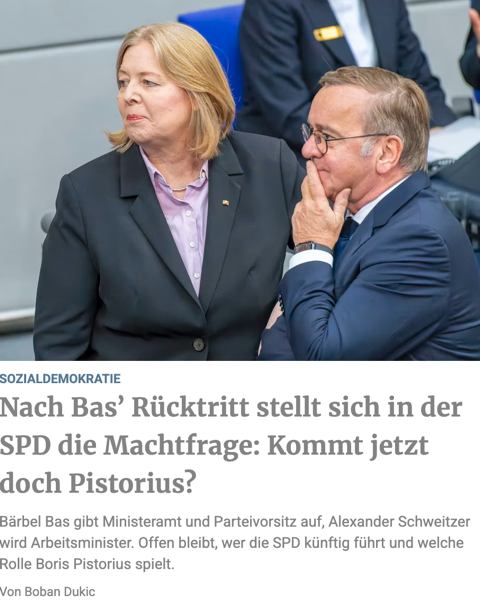
Stellts mir den Misik und den Pistorius doch bitte für ein Photo tsam.
Die Moderationsführung ist unerträglich, die Lügen kommen zweiminütlich. Kreisky würde im Grab routieren.
“Müssen die Russen im Geheimen trauern?” “Sind die Fahnen der Ukrainer neben den Totenwägen erhabener, als die Propaganda der Grabesreden der Russen.” “Ist es nicht Gänsehaut, wie die sich auf der Straße hinknien?!” Ist Valsili Rooftopparty Gollod - embeded in die Ukrainischen Propagandanarrative bis zur Nasenspitze nicht eh neutral. Greift der Russe seit diesem Jahr auch Züge an - wie wir alle wissen?! Nein, seit Kriegsbrginn, mehr als dreihundert -- aber das wusste ja Carl Bildt nicht, also ist die Kreisky Moderatorin auch blank. War Butscha nicht schrecklich. Und hat gezeigt wie der Russe Krieg führt -- gut, der Reisner sagt beim Forum Christdemokratie, da seien die Soldaten ausgetickt, nachdem die Ukraine zwei Batallione mittels Himars weggemacht haben, aber das würde der Reisner NIE in der breiteren Öffentlichkeit erwähnen. War der Trauermarsch letzte Woche in Kiew nicht erhebend?! War Butscha nicht unfassbar - das ein gewisser Herr Selenskyj keine Woche später mit 20 DSLR Hochglanzfotos von ALLEN Leichen - unzensiert - beim UN Sicherheitsrat in einem Musikvideo “Close the Sky, dont make Momma cry, close the Sky or he (?) will lose home” verarbeitet hat. Und das in den gesamten sieben Monaten der Verhandlungen in der Türkei - nach Foreign Policy (das Magazin) und NYT Quellen keine Rolle mehr gespielt hat. Nicht an einem Tag. Nicht in einer Fassung.
Das Kreisky Forum ist ein derartiger Lügenpfuhl geworden, ein derartiger Sumpf, in dem die Moderatorin nach “die Russen haben zu meinen Bekannten den Kontakt abgebrochen, ist das bei euch auch so” giert, bohrt - eifert, lockt. Also wenn Kreisky nicht eh schon im Grab routieren würde…
Belege mit Primärquellen: https://harlekin.me/fileups/Arbeitsprobe%20-%20Ganster%2031.07.2026.pdf
Diese ehrenwerte Gesellschaft ist nur noch eine Mischung aus Propagandisten und dem “hat die Haare schön und ist so adrett” Spitzenjournalisten, die sich seit viereinhalb Jahren den schon “schönen Krieg” rechtfertigen, der auf der Ukrainischen Seite so erhaben ist. So - heldenhaft. So toll, dass wir ihn eh schon wieder für drei Jahre länger gebucht haben, im Oktober des Vorjahres. Laut Ukrainska Pravda. https://www.pravda.com.ua/articles/2026/03/12/8025068/ (Übersetzung: click) Haben sie auch nicht gelesen, so ein Pech.
Na da werden die Hofratswitwen im Publikum eben mit einem schönen Lächeln gen Jenseits “abendunterhalten”.
Im Bruno Kresisky Forum für Internationale Dialogvereitelung. Nie was gelesen, nie was recherchiert - bezahlt aus Innenpolitikkreisen, und die größten Vollwappler primend, was für unabhängige Journalisten sie sind - währen Rooftopparty Golod seit Jahren eins zu eins ukrainische Propaganda abschreibt. Sie wissen schon, die Schöne - mit die FAAAAAHNEN.
Und den Militaria Schauen auf den Hauptplätzen. Toll auch für die alleinerziehende Familie mit Kind.
Gschamster Diener.
Sie haben sich eh so bemüht auch mal nen Russen zum Propaganda-Eierschaukeln einzuladen. So bemüht haben sie sich.
Leider hat es nicht geklappt.
Ganster
src:
Gleich nachdem der Misik herausgefunden hat - dieser Rechtsextreme, immer erzieht der zur Grausamkeit -- also im Gegensatz zum Alpbach Intellektuellen, der mal eben kanz Mödling und Meidling zusammen zu mehr Verzicht erzieht - wegen den heeren Zielen für Österreich, sie wissen schon Klima und dem vom GDP entkoppelten Wachstum. Exakt bis zu dem Moment, wo Fridays for Future mit selbstgemachtn Kartontaferln in der prallen Sonne auf dem Heldenplatz steht, nachdem er sie eine Woche vorher fallengelassen hat, nachdem er die neuesten Umfragen gelesen hat. Das hat dann nur noch die Krone berichtet.
Grausam dieser Rechtsextreme…
Gut dass der ein Buch geschrieben hat. Jetzt fragt sich aber der Moderator, warum haben es die Etablierten nicht geschafft ein Klima der Reform aufzubauen, was machen sie falsch, warum schaffen sie es nicht eine Followerschaft aufzubauen -- und das was die Debatte groß macht die du, lieber Misik begleitest ist ja, wie Faschismus Emotionalisierung nutzt um…
Gut das Bruno Kreisky Forum nutzt Untergangsmythik und und setzt aufs Ficken in nem gesponserten Sommer der Liebe, wie immer unter Linken… Nur wenns drauf ankommt - waren sies dann nie.
Also überhaupt nicht.
Und nichts gegen freie Liebe, meine Lieben. Und sehen sies nicht auch so? Der Schuldige - ganz klar, Faschisten. Der Misik hat sogar ein Buch darüber geschrieben. So toll ist das, sagt sein bester Freund im Panel das das bewirbt, .….
Dem besten Freund vom Misik und Moderator kamen die Erkenntnisse bei der Lektüre des neuen Misik Buches ja praktisch zwei-minütlich.
Ich hab leider grad den Amazon afilliate Link verlegt, sonst hätte ich ihnen verlinkt wo sie sichs kaufen können.
Achja - verlinken, gutes Stichwort - verlinken von Artikeln war im Alpbach “Online Forum” zum den Alpbach Foren 2020 und 2021 natürlich auch verboten. Also generell, wegen der Haftungsfrage. Als ihnen dann alle den Vogel gezeigt haben, haben sies 2022 einfach ganz abgeschafft, also das Online Forum Alpbach.
Jaja, die Elite in Österreich. Die nur mehr zu lebensfernen Hofratswitwen…
Aber dafür hat sie die Outlets. Also während im Journalismus schon wieder die nächsten 10% wegen Konsolidierungen fliegen, werden diese Moderatoren bis an ihr Lebensende ausbezahlt.
Aus Innenpolitikkreisen.
edit: Oh, ich seh grad, … Misik hat Profil gewonnen!
Grad wo der wieder ein neues Buch veröffentlicht hat!
Du, Zufälle gibts. In Österreich.
Na - es hat ja auch was Gutes, da muss nicht schon wieder die Innenpolitik die gesamte erste Auflage rauskaufen, …
Ich mein, unter uns armen mittellosen Vollidioten/Staatsphilosophen gesprochen.
Diese Philosophen sind ja so wichtig für die Gesellschaft - und das Thema “Überall Faschisten” hat grad passt, da hat sich der ORF gedacht, lädt der doch den Pensionisten Misik ein, …
(Dem Genetiv war dem Standard sein Tod, aber dafür lieben wir ja unser Schmartabo.)
edit: Da ist übrigens eine lustige Dynamik, die sich da entwickelt, zwischen dem Golod und dem Wehrschütz-Nachfolger des ORF.
Step 1: Die Kreisky Moderatorin lobt den Golod, dass er so gut darin ist auch die emotionale Komponente bei seinen Reportagen in Kiew einzufangen.
Der Wehrschütznachfolger denkt sich “fuck, so funktioniert ja Propaganda”.
Step 2: Der Wehrschütz-Nachfolger erzählt, wie toll das war, als sie nach Warschau gefahren sind, um die Frau mit dem Einzelnhandels Kosmetik-Unternehmen zu interviewen, die durch einen Lagerhallenbrand in Polen (russische Sabotage) alles verloren hat -- deshalb hätten sie im ORF den Beitrag gemacht, wegen der Emotion.
Und der Golod denkt sich “fuck, das ist ja wie die russische Propaganda bei Wildberries”, …
Die Moderatorin findet das einfach alles toll. Das ist so eine tolle Dynamik, die sich da entwickelt.
Naja Hauptsache Emotion für die Mitzitant, in den Reportagen unserer Spitzenjournalisten, sag ich immer, …
Ich stell mir dann immer vor, wie wird das erst sein, wenn der Golod einmal Großvater ist, und ihn seine Enkel fragen - “Rooftopparty-Golod-Opi, wie wars im Krieg?” und der Golod dann drauf:
Ich meine was jetzt grad abgeht ist nicht mehr normal.
1. Nico Lange lügt seit Jahren was das Zeug hält - mit einer einzigen Maxime und ich zitiere aus dem unteren Video wörtlich “unsere Militär Strategie beinhaltete, niemals die Krim anzugreifen, und niemals Russland anzugreifen, da Russland dann eskalieren würde. Das war offensichtlich falsch. Warum erlauben wir es daher nicht der Ukraine mit Taurus die Fertigungsstätten für den Raketentreibstoff der russichen Zweitschlagfähigkeit anzugreifen, dadurch würden wir den Krieg schneller gewinnen!” In diesem Video. Wort wörtlich.
Am selben Tag an dem der US Präsident eine rote Linie gezogen hat. Als das ukrainische Verhandlungsteam genau das, mit einem Verweis auf die europäische Position erpressen wollte. (“Stärkere Positionierung gegenüber Russland.” Militärisch, und in Sanktionsregimen.)
Geht aber noch weiter. Ebenfalls wortwörtlich: “Die Strategie der Bundesregierung ist es Russland über Sanktionen zu schwächen, das dauert viele Jahre, aber es war die Strategie, die sich die Bundesregierung unter Scholz gegeben hat, und die die auch Merz verfolgt. Damit das weniger lange dauert um zu gewinnen, sollte Deutschland wirklich AGGRESSIVEREANGRIFFSSTRATEGIENVERFOLGEN, und die Ukraine dazu ermuntern -- um Menschenleben zu retten.”
Ich mein klar, Politico Journalismus der aus dem transatlantischen Milieu bezahlt wird, sagt dazu ja, danke und Amen -- aber warum lassen die Dienste die Verbreitung dieses HOCHGRADIGENMÜLLS zu?
Einen Tag nachdem der US Präsident verlautbart hat, dass Selenskyj schon ein halbes Dutzend Friedensangebote ausgeschlagen hat.
2. Dadurch dass die Dienste das Maul nicht aufbekommen fühlt sich Springer heute ermutigt - und schickt seinen Qualitätsjournalisten PAULRONZHEIMER ebenfalls heute zum Exklusivinterview mit dem ehemaligen ukrainischen Aussenminister - für das richtige Narrativ der Stunde, und das soll wie folgt lauten - der Hurendrecksstandard schreibt schon wieder eifrig mit, es ist ja was er in den kommenden Monaten verbreiten wird (Springer vor drei Stunden):
“Kuleba: Es sind keine Zeichen erkennbar, dass Russland abrüste (mitten im Krieg), also ist es meine Interpretation (als ehemaliger ukrainischer Aussenminister), dass Putin sich darauf vorbereitet Europa anzugreifen.”
Darauf verfällt Paul Ronzheimer in eine Nick-Orgie.
Springer macht exakt danach den Schnitt und bringts unkontextualisiert - vor einem weiteren Interview mit dem Kriegslügner Nico Lange -- der heute ebenfalls bei Springer verlautbaren kann, wie schwach und unbedeutend der US Präsident ist -- UNDDASSDERJASCHONIMMERGESAGTHABE, DASSSELENSKYJEINHALBESDUTZENDCHANCENDIESENKRIEGZUBEENDENAUSGESCHLAGENHAT, TRUMPABERNICHTWISSEWARUM.
Also den Teil der Trump Aussage, den der deutschsprachige Qualitätsjournalismus gestern wieder überall weggelassen hat.
Komisch nicht? Also die Dienste werden das nicht veranlasst haben.
Um seine “Trump wurde von Putin am Telefon ausgetrickst” Story in die Bevölkerung zu ficken.
Die Aussage vom ehemaligen ukrainischen Aussenminister, steht im diametralen Widerspruch zur Aussage des BND Präsidenten letzte Woche.
Warum muss ich mir also wieder die lügenden Ukrainer im Krisen-PR Modus bei Springer geben.
Warum?
Ich mein, sind die deutschen Dienste so unfähig.
3. Warum läuft gerade eine “der polnische Premier und der polnische Außenminister” sollten von unbekannt ermordet werden Kampagne, wenn klar kolportiert ist, dass das wahnsinnige Milblogger waren, die die polnischen Diensten wahrscheinlich schon seit Monaten unter Beobachtung hatten.
Also an einem Tag wie heute, nachdem der US Präsident gestern verlautbart hat, dass Selenskyj schon dutzende Friedensangebote ausgeschlagen hat.
Nur so ’ne Frage. Haben das die Dienste auch nicht im Griff?
Oder gehts wieder ums eigene Geld?
Die selben Lügner bei Springer verkaufen Nico Lange gerade als “Insider”. Könnt ihr denen mal bitte den Arsch aufreißen?
Ich mein die fucking Totengräber-Griefer die sich der deutschsprachige Qualitätsjournalismus gegen Bezahlung als Kiew-Korrespondenten hält haben wenigstens eine Entsprechung in unserem Kulturraum - die Dreckspropaganda, die Springer über Ronzheimer von Kuleba bezieht und in die Bevölkerung drückt - nicht.
Nichts davon hat etwas mit Nato Interessen zu tun.
Könntet ihr mal?
edit: Also bewirkt hats nichts, aber aber wir verstehen langsam, warum sich der BND auch DARUM einen Scheissdreck schert.
Für die die geglaubt haben, ich lüge hier aus Lust und Laune seit sechs Jahren - wie Alpbach funktioniert.
Da legt ein Familienclan zusammen, damit eine unter ihnen in Heidelberg Journalismus studieren kann - und die wurde jetzt über diese Freundschaftsnetzwerke Auslandskorrespondentin von NTV in der Ukraine.
Ich mein wir wissen eh wann sich Europa bewegt und eingesteht, was es die letzten fünf Jahre gelaufen ist.
Never ever.
Dh. der Familienclan der Totengräber-Journalisten, kann in diesen Monaten wieder ein neues Mitglied zum Studieren -- mmmh nach Bamberg schicken, …
Komisch, dass bei Springer immer noch die Blondinen mit ihrem Smokey Eye Makeup sitzen… Sicher ne Fehlkommunikation…
Phoenix erkennen sie dieser Tage übrigens daran, dass deren Moderatoren immer noch auf einen “Gamechanger” warten.
Es ist so traurig…
Dazu der Kriegslügner Nico Lange vor sieben Stunden:
“Wie Winter?! Die Lage der Ukraine ist besser als sich das viele erwartet haben. In vier Jahren haben wir die Chelsea Clinton als Präsidentin der USA, und dann, …”
Ich mein, das weiß bei uns doch jedes Kind, dass Europa den gerechten Frieden braucht. Weil nur der gerechte Frieden auch langanhaltend ist.
Gut - und die strategischen Lügen der UvdL überdeckt bis deren Amtszeit beendet ist, und die komplette berufliche Unfähigkeit einer Kaja Kallas - ich mein, das sind so Synergieeffekte - wegen denen verlängerst du als Europa doch gerne noch drei Jahre.
Und für den gerechten Frieden brauchts halt zuerst die Chelsea Clinton als US Präsidentin, was will man machen.
Ich mein der Wadephul hats doch eh versucht. Die deutsche Öffentlichkeit zu belügen.
Die Nuland arbeitet an der Columbia auch schon ganz eifrig daran, hört man, denn die hat nie wirklich damit aufgehört den Russen us-amerikanischen Squaredance beibringen zu wollen, … Look it up, its in her vita.
Aber beruhigen wir uns erst mal. In der Ukraine wird nie so heiß gegessen wie gekocht - da kommt das Essen immer erst drei Jahre später aus der Küche zum Gast, …
Quot bisquit, eternam topfit. Ich mein der ohne Starlink blinde 50 jährige ukrainische Drohnenpilot beschützt zukünftig ja auch Warschau und Paris…
Und bekommt dafür 12 Milliarden in Agrarförderung jährlich.
Ich mein, dass unsere Elite strukturell unfähig ist - wer würde das schon belegen wollen? Wer. Der bekäme hier ja echte Probleme im Arbeitsleben.
edit: Und wenn ich sage Seelenverkäufer und strukturelle VOLLIDIOTEN bei der Arbeit, dann kommt das aus tiefstem Herzen:
Russian strikes killed over 80 Ukrainian civilians in two days. Moreover, it has stepped up its hybrid attacks against Europe, both EU Member States and NATO Allies.
Suspending sanctions on Russian diesel provides Moscow with more revenues to wage war.
Wobei, falls sie wieder rein garnichts gelesen haben, ist es besser, man sichert sich ab…
Also das ist die Israel Connection Deutschlands, quasi. Nur damit wir uns verstehen.
Wenn sie die UAE mal irgend etwas gegen Israel sagen hören, sagen sie Bescheid ja? Ab dann ist nämlich der Wertewesten gefährdet.
Grüsse an Margarete Schramböck (frühere ÖVP-Wirtschaftsministerin) und Elisabeth Köstinger bitte…
Also unter uns Vollwapplern die wieder eine halbe Stunde ZDF Berichterstattung “Warum greift der Russe in den Außengebieten von Saporischschja Rohbau von Familien an” “Weil er böse ist sagt” dem Reporter der 80 jährige Vollitiot der gerade sein Enkerl verloren hat, gefressen haben.
Geh komm, Saporischschja?! Das war sicher nicht die Ukrainische Luftverteidigung die da ne Rakete vom Himmel geholt hat! Das liegt doch eh nur an der Front.
Großvati ist unglaublich verzweifelt, da er nicht weiß warum die (jüngere) Familie überhaupt dort war - sie habe doch eh noch ein Zweit-Haus - nicht an der Front. Das sind eben noch diese emotionalen Schicksale die du brauchst um in Deutschland als Medienapparat deine Regierung abzusichern.
NEIN, komm - wir wollen ihr nichts unterstellen, die deutsche Bevölkerung will von ihren Qualitätsjournalisten an Tagen wie diesen mit diesen reinen, ungefilterten Emotionen gefüttert werden.
Sonst hat er ja nichts um seine Zeitenwende zu begründen. Sagen die Dienste.
Diese Webseite verwendet Cookies um die Nutzungserfahrung für seine Besucher zu verbessern. Bitte informiere dich bei Gelegenheit darüber wie sich Cookies auf deine Privatsphäre im Web auswirken.