Autorenarchiv

The best of the best

03. Juli 2023

Tref­fen sich ein Ver­tre­ter des Ger­man Mar­shall Funds of the United Sta­tes, drei (!?) von einer Soros Pri­vat­stif­tung unter­stütz­te pro ukrai­ni­sche NGOs und ein Board Mem­ber einer ukrai­ni­schen Stif­tung -- der aber gleich­zei­tig natür­lich auch Co-founder and Pre­si­dent der Ukrainian-Austrian Asso­cia­ti­on ist - vor einem wohl­wol­len­den Moderator -

nein - Moment der wohl­wol­len­de Mode­ra­tor ist ja auch der Co-founder and Pre­si­dent, Ukrainian-Austrian Asso­cia­ti­on selbst -- also alles ande­re wäre ja auch Freun­derl­wirt­schaft und so gar­nicht sexy/koscher…

Also tref­fen sich die in der diplo­ma­ti­schen Aka­de­mie Wien, um einen Hit nach dem ande­ren rauszuhauen.

Co-founder and Pre­si­dent, Ukrainian-Austrian Asso­cia­ti­on: “Thank you very much Yana may­be I should men­ti­on, that the ERSTE foun­da­ti­on is so clear­ly pro Ukrai­ne -- eehh ahhh, that, eh, you have done, uuuuh, qui­te a few important pro­jects in the past and I do hope that you will con­ti­nue that…” addres­sed at Yana Bari­no­va (Euro­pean Poli­ci­es and Ukrai­ni­an Rela­ti­ons, ERSTE Foun­da­ti­on; for­mer Kyiv City Coun­cil­lor for Culture)

Ideologie-Check BESTANDEN!

Was er uns dar­über hin­aus mit der Aus­sa­ge mit­tei­len woll­te? Ich hab kei­ne Ahnung.

Co-founder and Pre­si­dent, Ukrainian-Austrian Asso­cia­ti­on: “I may just tell you and the audi­ence, that the­re is a pro­ject, even in Aus­tria, in Vien­na - by the pre­si­den­ti­al office of Ukrai­ne, to show the exhi­bi­ti­on [of] Rus­si­an war cri­mes in Ukrai­ne, at the Uni­ver­si­ty of Vien­na. I [mys­elf] have [had (die Bes­ten der Bes­ten)] the pri­vi­le­ge to have inn­itia­ted such a pro­ject in aus­tria, but the pre­si­den­ti­al office [of Ukrai­ne] had to deci­de to prio­ri­ti­ze this exhi­bi­ti­on to go to New York, becau­se they are figh­t­ing for every vote at the gene­ral assem­bly of the United Nations.”

Des ist jetzt aber kei­ne Pro­pa­gan­da, oder? Des ist jetzt ein­fach eine infor­ma­ti­ve Kunst­aus­stel­lung mit doku­men­ta­ri­schem Cha­rak­ter, die da auf Anlei­tung des pre­si­den­ti­al office of the Ukrai­ne mal ein­fach ganz schnell von Wien nach New York muss­te, oder?

Des ist ja fast so toll wie die Kunst­aus­stel­lun­gen die sonst nur die Vik­tor Pin­chuck Foun­da­ti­on zustan­de bringt!

Embed­ded Repor­ting == Front­li­ne Journalism

Yana Bari­no­va (Euro­pean Poli­ci­es and Ukrai­ni­an Rela­ti­ons, ERSTE Foun­da­ti­on; for­mer Kyiv City Coun­cil­lor for Cul­tu­re): “NGOs insi­de of them­sel­ves [sic!] they can shift their prio­ri­ties, if they can be fle­xi­ble, they can switch in bet­ween being a MEDIA [out­let], into [sic! to] lear­ning how to docu­ment war cri­mes.” [Very fle­xi­ble of tho­se NGOs, I might add, of cour­se all guar­ded and dri­ven around by the ukrai­ni­an patrol poli­ce, I recon.]

WAIT! NGOs can both be media out­lets and sta­te accredi­ted organs that docu­ment warcri­mes? Thats ama­zing! Just dont for­get to enter on you next job form, the usu­al ngo­jour­na­list­sta­tea­c­credi­ted­warcri­me­ex­per­tand­ana­lyst and if ever - someo­ne asks you what that means, just tell them you were flexible.

Co-founder and Pre­si­dent, Ukrainian-Austrian Asso­cia­ti­on: “The media are play­ing a pivo­tal role in coun­te­ring the rus­si­an nar­ra­ti­ve - which is ever­y­whe­re. And thats not only a ques­ti­on of money, which is plug­gend into the sys­tem sub­ver­si­ve­ly. This is the result of a stra­te­gy over may­be 10, 15, 20 years, when Putin came to power. So - some cri­ti­cism, Ukrai­ne in many aspects until some years ago was slee­ping and did not coun­ter the rus­si­an things, tal­king about cul­tu­re! [Wait for it, waaaaiiiit for it!] Yeah? That rus­sia is doing a cul­tu­ral initia­ti­ve, in order to spread the nar­ra­ti­ve, etc - so cul­tu­ral ambassa­dors of rus­sia, this was not coun­te­red by Ukrai­ne for many years, they were just silent, its not only a ques­ti­on of money. And only with the Ukrai­ni­an Insti­tu­te it star­ted (TELL ME MORE!1!). And that has been may­be five, six, seven years ago, befo­re that the­re was nothing.”

Not­hing? Well thats pro­bab­ly becau­se media is so important, but not near­ly as important as the Ukrai­ni­an Insti­tu­te, right? (*cough cough*)

Yana Bari­no­va (Euro­pean Poli­ci­es and Ukrai­ni­an Rela­ti­ons, ERSTE Foun­da­ti­on; for­mer Kyiv City Coun­cil­lor for Cul­tu­re): “Befo­re that (The Ukrai­ni­an Insti­tu­te I recon?) it was actual­ly more fashion­ab­le to be a Rus­si­an plu­ra­listic wri­ter, than actual­ly ack­now­ledge that you are com­ing from a vil­la­ge in the nort­hern part of Ukrai­ne. [WRONG NARRATIVE, WRONG NARRATIVE!]

Iry­na Kho­mi­ak Pro­gram­me Mana­ger, Ger­man Mar­shall Fund, Ber­lin): I obser­ved this uh also tal­king with col­leagues from other Euro­pean foun­da­ti­ons. First year it was the year of direct aid, urgent needs a direct aid on the bor­ders but now we see that I hope the war will end rather soo­ner than later, but still it con­ti­nues so what the stra­te­gy of Euro­pean phil­an­thro­py should be -- what uh what we can Under­ta­ke and I think that the main thing it’s not to do for Ukrai­ne but to do with Ukrai­ne becau­se defi­ni­te­ly we don’t want to be pas­si­ve reci­pi­ent of of funds we want to be co-creator of uh important impact­ful uh pro­grams so I iden­ti­fy a capa­ci­ty buil­ding initia­ti­ves as the top prio­ri­ty uh for the next several years - why becau­se we say restart Ukrai­ne rebuild Ukrai­ne brin­ging Ukrai­ne Euro­pean inte­gra­ti­on, but this is just words behind each of tho­se words the­re are peop­le and their capa­ci­ties and their know­ledge and their exper­ti­se what they can and well they can’t so I think the best thing what we can do to pre­pa­re peop­le for such enor­mous under­ta­king as rebuild Ukrai­ne to equip with know­ledge to equip with net­works to to equip with the best prac­ti­ces and this in a way means deco­lo­niz­a­ti­on of Euro­pean phil­an­thro­py what they mean it means that you help in order to lea­ve at a cer­tain point you help to grow the Ukrai­ni­an third sec­tor you help Ukrai­ni­an ngos to streng­t­hen its own capa­ci­ty, becau­se many big Inter­na­tio­nal foun­da­ti­ons mis­si­ons come to Ukrai­ne and what hap­pens they head hunt best minds of cour­se uh many peop­le choo­se working for inter­na­tio­nal orga­niz­a­ti­ons, it’s pres­ti­gious it’s it’s secu­ri­ty it’s good sala­ry and then when mis­si­on of this orga­niz­a­ti­on finis­hed and this orga­niz­a­ti­on lea­ve the Ukrai­ne it’s again tabu­la­ra­sa becau­se the­re is no inter­nal infra­st­ruc­tu­re that can con­ti­nue to work so uh I would call all tho­se part­ners who are open and keen to to help Ukrai­ne to to do with Ukrai­ne and to help to strengh­ten its own capa­ci­ty and for each pro­ject to find imple­men­ting part­ners in Ukrai­ne it’s abso­lute­ly ano­t­her tac­tic how you coope­ra­te with Ukrai­ne from other side it’s a big home­work for Ukrai­ni­an ngos becau­se you should be trans­pa­rent you should be accoun­ta­ble and you should know how to accom­pa­ny inter­na­tio­nal orga­niz­a­ti­on in their mis­si­on in Ukrai­ne becau­se to recei­ve the grant it’s one thing but to report on this grant to mea­su­re deli­ver­a­bles and then to build long-term sus­tainab­le stra­te­gy it’s also dif­fe­rent type of skill that requi­re stra­te­gic plan­ning visio­ning com­pli­an­ce with lots of inter­na­tio­nal pro­grams docu­ments stra­te­gies and agendas.

Wait, this is not a grass root move­ment at all? This is all astro­tur­fed by what “Inter­na­tio­nal foundations”?

Who do what “Phil­an­tro­py”?

Becau­se Phil­an­tro­py is so hard, becau­se - and I quo­te: “Becau­se to recei­ve the grant it’s one thing but to report on this grant to mea­su­re deli­ver­a­bles and then to build long-term sus­tainab­le stra­te­gy it’s also dif­fe­rent type of skill that requi­re stra­te­gic plan­ning visio­ning com­pli­an­ce with lots of inter­na­tio­nal pro­grams docu­ments stra­te­gies and agendas.”?

You know, for all the PHILANTROPY grants you recei­ved, right? [WRONG NARRATIVE, WRONG NARRATIVE!]

Iry­na Kho­mi­ak Pro­gram­me Mana­ger, Ger­man Mar­shall Fund, Ber­lin): “Fol­lowing the the needs of of the Civil Socie­ty on the ground we deci­ded to empha­si­ze and sort of rein­for­ce the sup­port um the um full-scale Inva­si­on um to a cer­tain extent um shifted the the Para­digm of uh of donor Civil Socie­ty rela­ti­ons so to say becau­se at some point the donors com­mu­ni­ty star­ted respon­ding to the needs of the Civil Socie­ty on the ground ins­tead of dic­ta­ting or shaping the Nar­ra­ti­ve per se, sin­ce the last late last March begin­ning of April last year we alrea­dy sup­por­ted around 200 pro­jects insi­de of the coun­try as I said on as local levels as pos­si­ble becau­se that’s whe­re the resi­li­en­ce is taking place that’s whe­re the reco­very is taking place I’m not under­mi­ning or neglec­ting the role of the sta­te level ngos and um and initia­ti­ves I’m just try­ing to focus on what I’ve been working with and also to sort of bring up this perspective.”

Oh, not­hing, I - Iry­na Kho­mi­ak Pro­gram­me Mana­ger, Ger­man Mar­shall Fund, Ber­lin, am just sta­ting that the inter­na­tio­nal donor com­mu­ni­ty is shaping the nar­ra­ti­ve of ukrai­ni­an sta­te level NGOs - which arent repre­sen­ta­ti­ve of the ukrai­ni­an peop­le - thats all.

You know, becau­se like the Ers­te Foun­da­ti­on repre­sen­ta­ti­ve befo­re was say­ing, we dont have any ground level initia­ti­ves right now - at all, its all inter­na­tio­nal NGOs working in the Ukrai­ne, then lea­ving the coun­try and lea­ving back, what was it again?! Ah, yes - tabu­la­ra­sa. Not­hing. Abso­lute­ly not­hing at all.

Let me get this strai­ght, but when Jef­frey Sachs sta­tes the following:

It was a coup, of cour­se. It was an uncon­sti­tu­tio­nal sei­zu­re of power when very vio­lent groups, well armed, stor­med the government buil­dings in Febru­a­ry, 2014. [Pro­tes­ters, ange­red by Yanukovych’s rejec­tion of a tra­de agree­ment with the Euro­pean Uni­on, were kil­led by secu­ri­ty for­ces after try­ing to occu­py parts of Kyiv; after­ward, Yanu­ko­vych was iso­la­ted poli­ti­cal­ly and fled to Rus­sia with the assi­s­tance of the Krem­lin. I asked Sachs over e-mail for a source for his claim about the role play­ed by the U.S. He respon­ded, “It is public know­ledge that the Natio­nal Endow­ment for Demo­cra­cy and US NGOs spent hea­vi­ly in Ukrai­ne to sup­port the Mai­dan. I have first-hand know­ledge of that spen­ding.” The N.E.D. told The New Yor­ker that it pro­vi­des fun­ding to civil-society groups but “does not pro­vi­de fun­ding to sup­port protests.”]

src: click

Fol­lo­wed up by quo­te: “dont tell me that stuff!”.

He beco­mes per­so­na non gra­ta. Right? Right.

Its just the best demo­cra­tic socie­ties could mus­ter up, but not befo­re Sachs is actual­ly fired from Pro­ject Syn­di­ca­te of cour­se, whe­re he was the most publis­hed aut­hor befo­re the rus­si­an Inva­si­on of Ukrai­ne.

Right.

Kur­ze Mit­tei­lung an das Huren­wichs­er­schwein von mei­ner ehe­ma­li­gen Psy­cho­the­ra­peu­tin: Wenn ich vor etwas über einem Jahr irri­tiert bin, dass Soros in dem Umfeld gera­de wie­der drei Stif­tun­gen agie­ren hat und der Stan­dard außer­dem wie­der unkon­tex­tua­li­siert State­ments vom ECFR (its just a think tank) von Pro­ject Syn­di­ca­te als “so muss die öster­rei­chi­sche Poli­tik die Bevöl­ke­rung auf einen Lan­gen Krieg vor­be­rei­ten” abschreibt (Pro­ject Syn­di­ca­te has also recei­ved grants from Geor­ge Soros’s Open Socie­ty Foun­da­ti­ons, The Poli­ti­ken Foun­da­ti­on in Den­mark, Die Zeit, ZEIT-Stiftung, and the Bill & Melin­da Gates Foundation.[6]) und dass mich das dann irgend­wie ver­rückt macht - trotz bes­se­ren Wis­sens an der Stel­le nicht in die Ver­schwö­rungs­ecke weg­zu­kip­pen -- das nächs­te Mal viel­leicht was Bes­se­res aus­den­ken als “ja und Elon Musk?” - ok? Supi.

Und kur­ze Mit­tei­lung an das Arsch­loch­wichs­er­schwein von mei­ner ehe­ma­li­gen Psy­cho­the­ra­peu­tin, wenn ich ihr in Monat drei des Krie­ges erzäh­le, WIE der Ger­man Mar­shall­fund of the United Sta­tes, die deut­sche Hal­tung gegen­über dem Krieg kri­ti­siert, und der gleich­zei­tig die ein­zi­ge Quel­le ist, von der ich Hin­ter­grund­in­for­ma­tio­nen über die “Zei­ten­wen­de­re­de” bekom­me (so unwich­ti­ge Details wie, die Rän­ge wur­den voll besetzt, damit das Klat­schen bes­ser wirkt, und vor der Rede kann­ten den Inhalt weni­ger als ein dut­zend Per­so­nen), weil der ger­man Mar­shall Fund of the United Sta­tes dar­über debrieft wird, aber die euro­päi­sche Öffent­lich­keit halt nicht -- dann das nächs­te Mal viel­leicht mehr als ein­fach nur eine abwer­ten­de Hand­ges­te von sich geben.

Nur so ein Gedanke.

Ach­ja, und mir zuerst sagen, dass ich ihr erklä­ren sol­le wie öster­rei­chi­sche Aus­sen­po­li­tik läuft - wegen dem Moti­va­ti­ons­fak­tor - und mich dafür dann aus der Betreu­ung tre­ten, wenn ich es nicht mehr ertrage?

Ja, ja? Jederzeit!

Applau­se - for a job well done. Mögest du auch dei­ne ande­ren 120 Pati­en­ten so per­fekt betreu­en, wie mich.

Schei­ße, noch kein Dopa­min­push, weil man wie­der einem gehol­fen hat - und schon ein hal­bes Jahr vor­bei?! Na dann ab zum nächs­ten Kandidaten!

Die­se Gesell­schaft ist das abso­lut gro­tesk Allerletzte.

Pro­pa­gan­da, hat aber wie immer noch nie­mand entdeckt.

edit: Plea­se dou­bleck­eck, may­be I’ve mixed up Yana and Iry­na when attri­bu­ting the quo­tes abo­ve. The mode­ra­tor clear­ly cal­led one per­son Yana, but their online pho­tos look qui­te dif­fe­rent. I’ve kept the names the mode­ra­tor uses when refer­ring to them.

edit2: Hilf­rei­cher Kon­text via fefe:

[l] Angst vor der Soros Foun­da­ti­on? Weil die immer Revo­lu­tio­nen anzet­telt? Kei­ne Sor­ge!
Der alte Mann hat die Stif­tung sei­nem Sohn Alex über­ge­ben, und der will erst­mal 40% des Per­so­nals feu­ern. Außerdem:

>Alex­an­der Soros also said that under his lea­ders­hip, he plan­ned to focus the foun­da­ti­on more on US domestic politics.

Soviel dazu.

src: click

Getting fed ukrainian Propaganda

02. Juli 2023

How long will it take for every per­son on that panel to rea­li­ze, that all they’­ve been repro­du­cing over one and a half hours is ukrai­ni­an propaganda?

One life­time? Two lifetimes?

It’s such a bliss see­ing all tho­se over 60 year old diplo­mats redis­co­vering genui­nely ukrai­ni­an tal­king­points all by them­sel­ves (and a litt­le help from their ukrai­ni­an friends) and then mana­ging to con­vin­ce them­sel­ves, that thats actual­ly what they are thin­king as well, becau­se of a ratio­nal deli­be­ra­ti­on pro­ces­ses they’­ve enga­ged in.

Then of cour­se you also need an almost 60 year old “for­mer jour­na­list” to moti­va­te the audi­ence to clap, becau­se why not what else would they do? Pro­du­ce actu­al journalism?

Lets go through this, while we have the time to do so, why not?

Whats the rus­si­an win con­di­ti­on in a war of attrition? 

Kee­ping the ukrai­ni­an eco­no­my in a dys­func­tio­n­al sta­te for as long as pos­si­ble, so the ukrai­ni­ans who have fled don’t return for ano­t­her two to three years.

Child­ren get inte­gra­ted into the wes­tern edu­ca­tio­nal sys­tem, retur­ning to ukrai­ne seems like a worse and worse idea for the actu­al peop­le who have fled, over time, and the reuni­fi­ca­ti­on pro­cess the­re­fo­re rever­ses and more peop­le (the men) actual­ly flee the Ukrai­ne at the end of the pro­cess, rather than reimmigrate.

To coun­ter­act that, Ukrai­ne HAS TO start the rebuil­ding pro­cess while the war is still ongoing.

To attract inves­tors, they now have pro­po­sed, and star­ted to imple­ment a flat tax of sub 20%.

But to also attract half of the coun­try, and coin­ci­dent­al­ly the youn­ger more edu­ca­ted half, they now have to invest mas­si­ve­ly in new infra­st­ruc­tu­re pro­jects - and film PR spots of the kin­der­gar­dens they will con­struct, to have any messaging for the not so well off clas­ses at all.

The­re are still no new plans on how to diver­si­fy the ener­gy infra­st­ruc­tu­re, becau­se you cant at sca­le (if they invest in solar right now, it takes Rus­sia about 4 mon­ths to dele­te half that invest­ment - con­si­de­ring how long it took Rus­sia in the past to do so, in the Ukrai­ne, last year).

Pri­va­te invest­ment in theo­ry is pos­si­ble, becau­se Ukrai­ne opted to 10x their grain export busi­ness as a way of future­proofing their lan­dow­ners bank­rolls, as soon as it had open bor­ders to do so, so the invest­ment in most of their indus­tries still remai­ned outstanding.

So now the infra­st­ruc­tu­re recon­struc­tion push is cur­r­ent­ly put into place, whe­re they also nego­tia­ted mee­tings with pri­va­te inves­tors, who will short­ly visit the Ukrai­ne by train to con­si­der how they can help in rebuil­ding the (ener­gy) infrastructure.

So if you are rus­sia, you look at tho­se trains. You look at the four stops tho­se con­gre­ga­ti­ons make in the next two to three mon­ths, and then tho­se pro­jects beco­me your pri­ma­ry tar­gets for dis­il­lu­sio­ning the wes­tern inves­tor class.

Tho­se and the new steel­plants of cour­se that the Ukrai­ne plans to build in wes­tern regi­ons of the country.

And then you wait. And des­troy the ener­gy infrastructure.

And as long as you can keep up dis­rup­t­ing the new Ukrai­ni­an eco­no­my, wan­ting a sen­se of safe­ty will win out over the fear of being draf­ted, and the want to thri­ve in an eco­no­my, with half the peop­le, who now has imple­men­ted a flat tax, but oh so high growth poten­ti­al, if rus­si­an rockets dont hit.

And after about ten years, you have also lost the next genera­ti­on of expats, in an aging coun­try - with a flat tax, who­se ener­gy infra­st­ruc­tu­re once in a while might still be tar­ge­ted by rus­sia, and which still needs a vic­to­ry - becau­se, well neu­tra­li­ty was off the table after Butscha of course…

I mean what could go wrong? Ever­yo­ne on the panel is very optimistic!

Becau­se its the strength of the over 60 year old aus­tri­an diplo­mats on this panel to iden­ti­fy for them­sel­ves, that “thin­king that this all ends on day 0 when the war is over” is wrong argu­men­ta­tively, and it can all be over once busi­nes­ses just chan­ge their risk assess­ment pro­ce­du­res to see all the gre­at growth poten­ti­al of a coun­try at war, with a flat tax.

So far - thats 8 bil­li­on USD worth of pri­va­te sec­tor invest­ment after the Lon­don invest­ment con­fe­rence, right?

So whats the next spea­ker in Vien­na sel­ling, fol­lowing that uni­que stra­te­gic invest­ment plan?

A human cen­te­red rebuil­ding of their infra­st­ruc­tu­re. In a coun­try whe­re the medi­an age has now just incre­a­sed by four years, with a flat tax, and a PR push that they will be buil­ding more kin­der­gar­dens soon, so the popu­la­ti­on should not be afraid to get more child­ren, or even think about lea­ving the country…

Becau­se this all ends, as soon as we in the west invest, and Putin starts to rea­li­ze, that we will inte­gra­te the Ukrai­ne into the EU no mat­ter what it takes, and that Rus­sia has alrea­dy lost!

Ok, so what if Rus­sia mana­ges to des­troy the first for­eign invest­ment push and demons­tra­tively so?

Ano­t­her 50 bil­li­on for infra­st­ruc­tu­re rebuil­ding befo­re the second one?

This all ends when the war is fro­zen, and not one day earlier.

And if that takes too long, say good­bye to your next generation.

Or do you want to estab­lish that good “revi­sit ukrai­ne, to see your dad suf­fe­ring from PTSD cur­led up in the cor­ner of the room, we will have all that flat tax money to help him tough it out!” mas­sa­ging first? Pro­bab­ly not.

But thats not as posi­ti­ve, as panel II on Ukrai­ni­an State­hood made it sound… How come?

Becau­se I’m unde­re­sti­ma­ting the moti­va­tio­nal power of repeated pro­pa­gan­da messaging?

Now clap for the new ukrai­ni­an slo­gan: Plea­se dear popu­la­ti­on and inves­tors, return to a war­zo­ne. Our coun­try is so big, you will hard­ly noti­ce it.

Or was it - come to Ukrai­ne, as a coun­try at war, we have very low wages, and our medi­an pen­si­on is just 100 USD a mon­th. Dear Expats, plea­se return to our coun­try, for amp­le growth potential!

Also we would like to talk with your com­pa­nies risk assess­ment depart­ment, if you dont mind.

Sla­va.

This is get­ting bet­ter by the day.

edit: Es gibt aber natür­lich auch wie­der gute Nach­rich­ten: Schal­len­berg sieht in der Pres­se­stun­de “Ris­se im rus­si­schen Gebälk”
Na Gott sei Dank.

edit: Con­text:

[United Nati­ons Deve­lo­p­ment Pro­gram­me] Unco­vering the rea­li­ty of Ukraine’s deci­ma­ted ener­gy infrastructure

A new coun­try­wi­de ener­gy assess­ment con­firms dama­ges excee­ding $10 bil­li­on, with Ukraine’s capa­ci­ty to pro­du­ce electri­ci­ty redu­ced by 61 per­cent. But with no let-up on attacks on ener­gy net­works, whe­re does Ukrai­ne go from here?

src: click

edit2: More Context:

Live­li­hoods

The majo­ri­ty of house­holds repor­ted that the work of their house­hold mem­bers had been affec­ted sin­ce the start of the full-scale inva­si­on, pri­ma­ri­ly due to job loss, sala­ry cuts, and redu­ced working hours.
Most house­holds repor­ted a decre­a­se in inco­me, with IDPs and retur­nees being par­ti­cu­lar­ly vul­nerable in this respect. The­re has been a decre­a­se in access to paid work, as well as an incre­a­se in reli­an­ce upon huma­ni­ta­ri­an and government assi­s­tance, along­side sup­port from friends and rela­ti­ves (inclu­ding remit­tan­ces) as pri­ma­ry sources of inco­me. The majo­ri­ty of house­holds repor­ted enga­ging in eco­no­mi­c­al­ly dri­ven coping stra­te­gies to meet essen­ti­al needs, such as spen­ding savings, acqui­ring addi­tio­nal work, and redu­cing health expen­dit­u­re in order to meet other essen­ti­al needs. House­holds repor­ted that they could con­ti­nue enga­ging in taking on addi­tio­nal work, but could not con­ti­nue spen­ding savings, redu­cing essen­ti­al health expen­dit­ures, or taking on debt. Geo­gra­phi­cal­ly, the impact of the war on live­li­hoods has been felt most great­ly in the Sou­the­as­tern macro-region.

src: click

Approaching triple digits

01. Juli 2023

Why you bet­ter start a den­un­cia­ti­on cam­pai­gn against Mear­s­hei­mer star­ting in week two after the rus­si­an inva­si­on of Ukrai­ne in 2022 at the Hoo­ver Insti­tu­ti­on - and then get a more friend­ly voice to may­be invent a new ver­si­on of the rea­list school of for­eign rela­ti­ons, you know - like you do… May­be a fusi­on bet­ween geo­po­li­ti­cal rea­lism and idea­lism, right?

Lets not go to Mear­s­hei­mer to exp­lain it this time, lets go to one of his stu­dents, Sean Mirski.

Inno­cent enough, right?

Wright: Let me also tell peop­le a litt­le more about you are you - are still a visi­t­ing scho­l­ar at the Hoo­ver insti­tu­ti­on at Stan­ford University?

Mir­ski: I am, they keep exten­ding it so I’m not going to say no.

Wright: No don’t uh, and you pre­vious­ly ser­ved in the U.S. defen­se depart­ment under both Repu­bli­can and Demo­cra­tic admi­nis­tra­ti­ons - um and you would have a master’s degree from the Uni­ver­si­ty of Chi­ca­go in inter­na­tio­nal rela­ti­ons or some­thing, you went to Har­vard Law School - is that all true?

Mir­ski: That’s cor­rect, that’s all true.

Inno­cent enough, right - I mean what could go wrong?

Wright: So you think it was, it was a tac­ti­cal not stra­te­gic blun­der to sei­ze Cri­mea in terms of the moti­va­ti­on - it seems like the thre­at Rus­sia per­cei­ved was at least as direct as most of the thre­ats Ame­ri­ca is reac­ting to in your book, in the sen­se that you’­ve got a neigh­bor right on its bor­der and it has a very important naval base [Sewas­to­pol] in the neigh­bor, it’s tech­ni­cal­ly a long-term lea­se but it’s a lega­cy of the Soviet Uni­on and uh the­re is what loo­ks like from its point of view - a coup or - an event, a revo­lu­ti­on - depo­sing of a pre­si­dent who was kind of friend­ly uh and the­re is in some sen­se at least U.S. sup­port for what just hap­pen­ed - and the U.S. has pro­fes­sed the inten­ti­on to have that neigh­bor be part of NATO and so on - I mean that’s like, com­pa­red to most of the things the US has been reac­ting to uh by inter­vening in Latin Ame­ri­ca, that’s a much more direct thre­at right?

Mir­ski: Oh, yeah I mean cer­tain­ly, I think from Russia’s per­spec­ti­ve that’s pro­bab­ly the right way to think about it, I mean ame­ri­cans obvious­ly see it a litt­le bit dif­fer­ent­ly, becau­se at least - 

Wright: I’ve noti­ced that - I’ve noti­ced that… [*smirk*]

Mir­ski: Yeah [*smirk*], well and you know part of it is I think for most Ame­ri­cans you know the idea of NATO enlar­ge­ment it seems sort of I don’t want to say inno­cent [*cough, cough*], but it does­n’t seem or at least it has­n’t see­med tar­ge­ted at Rus­sia until very recent­ly, ehm but you know part of what makes Inter­na­tio­nal poli­tics dif­fi­cult is that one its very dif­fi­cult to com­mu­ni­ca­te inten­ti­ons in a sort of uh deli­be­ra­te way and num­ber two tho­se inten­ti­ons can just chan­ge over time. and so you know from Rus­si­as per­spec­ti­ve may­be NATO expan­ding in your know the 2000 odds and 2000 ear­ly 2010s was not aimed at Rus­sia but Rus­sia does­n’t have any way of gua­ran­te­eing that once NATO is up at Russia’s bor­der someo­ne does­n’t chan­ge their mind - and sud­den­ly NATO’s tur­ned into an anti-russia alli­an­ce again and so from Rus­si­as per­spec­ti­ve I think it’s under­stand­a­ble why they’­re con­cer­ned that you know coun­tries like Geor­gia and Ukrai­ne would be poten­ti­al­ly offe­red NATO admission.

Wright: Right and that leads to one kind of abs­tract ques­ti­on befo­re we get into the histo­ry, um you know you said it had no way of of being assu­red that NATO would­n’t ulti­mate­ly be a thre­at wha­te­ver the moti­va­ti­on behind expan­si­on and um this is a com­mon thing I mean there’s a term that does­n’t appe­ar in your book I think uh which is secu­ri­ty dilem­ma. I’m sure you’­re fami­li­ar with it you stu­di­ed uh under Mear­s­hei­mer at Chi­ca­go and that refers to the fact that um you know one nati­on uh it will it will read some­thing that ano­t­her nati­on does as eit­her offen­si­ve in intent or poten­ti­al­ly offen­si­ve uh and will react to it in a way that it sees as defen­si­ve but then the other, the other coun­try will - will see it as eit­her offen­si­ve in intent mis­rea­ding it or see it, the moti­va­ti­on, accu­rate­ly and but also see that poten­ti­al­ly this this new thing this new mili­ta­ry base some­whe­re could be put to offen­si­ve use and so they react and you get a spiral - […]

So of cour­se when you men­ti­on that (“What about in 30 years time? Rus­sia only cur­r­ent­ly has the demo­gra­phy to do some­thing against the per­cei­ved thre­at.”) in week two of the war towards you psy­cho­lo­gist, she snorts at you and strikes even the pos­si­bi­li­ty of that noti­on down. Just out­right. No rea­son. Becau­se having an edu­ca­ti­on is for pus­sies. And becau­se by then ever­yo­ne alrea­dy knew, that Putin was Hit­ler, and cra­zy, and that pro­pa­gan­da NEVER WORKS ON ANYONE ENDUCATED, right? 

RIGHT?

I mean you lear­ned at uni­ver­si­ty how it works, and that this is it. But who lis­tens to you, when you say, that Putin likely used Nazis as the “enemy image” to dehu­ma­ni­ze the oppo­nent in a war? And used several other Pro­pa­gan­da princi­ples in which he pro­bab­ly didnt belie­ve in per­so­nal­ly? Becau­se he might not actual­ly just be mad?

And that gets you ano­t­her snort and ano­t­her strike down for even having con­si­de­red the possibility.

Sor­ry - I thought I throw in some fla­vor text - just to ligh­ten the mood a bit. Befo­re we get to the more inte­res­ting stuff.

Wright: I had­n’t rea­li­zed that we had a ten­den­cy in the 19th cen­tu­ry, if I read you cor­rect­ly, to cha­rac­te­ri­ze part of the thre­at we faced uh from Euro­pe as ideo­lo­gi­cal in the sen­se that they were mon­ar­chists - right, like today we are framing our for­eign poli­cy appar­ent­ly lar­ge­ly as a glo­bal war bet­ween demo­cra­cy and auto­cra­cy, for bet­ter or worse, by the way the ans­wer is worse, but that’s the way we’­re framing it - um and uh - I was sur­pri­sed by the par­al­lel and uh and but but that’s kind of built in from the begin­ning, it sounds like.

Mir­ski: It is alt­hough it kind of fluc­tua­tes I think in how important it is, um cer­tain­ly when the United Sta­tes is for instance decla­ring the Mon­roe Doc­tri­ne in 1823 and things like that, the like you know dis­tinc­tion bet­ween mon­ar­chy and demo­cra­cy is real­ly at its height, uh and I think right­ly so - I mean I think the Euro­pean mon­ar­chies at that point were legi­ti­mate­ly con­cer­ned by the ideo­lo­gi­cal thre­at that was posed by the United Sta­tes and that’s true cer­tain­ly all the way through the Civil War.

Fran­ce uh during the U.S Civil War inva­des and occu­p­ies all of Mexi­co and installs an uh a Habs­burg Prince on the thro­ne of Mon­te­zu­ma uh and essen­ti­al­ly the the expli­cit rea­son to do this is to basi­cal­ly start making the hemi­s­phe­re safe for monarchy.

Emperor Napo­le­on III basi­cal­ly has this idea that once Mexi­co is remon­ar­chi­zed he’s going to just start moving south through the rest of the hemi­s­phe­re and tar­ge­ting all the­se Latin Ame­ri­can repu­blics making them back into mon­ar­chies - and so the­re is very much that sort of ideo­lo­gi­cal con­flict at that point. I do think it ame­lio­ra­tes a litt­le bit in the com­ing deca­des, you see you see fla­vors of it in the sen­se that obvious­ly in World War One there’s a lot of sort of rhe­to­ric about Prus­si­an auto­cra­cy and you know and cer­tain­ly of cour­se the phra­se to make the world safe for demo­cra­cy comes from Woo­d­row Wil­son at that time [see: Ber­nays] -- but um but it does­n’t it - ideo­lo­gi­cal fac­tors end up I think rece­ding a litt­le bit around the turn of the cen­tu­ry it’s less that and more kind of just pure secu­ri­ty kind of interests.

Wright: So in that case, uh so Fran­ce has this kind of uh Habs­burg pro­xy, I mean for a rea­son - I don’t know enough about histo­ry to under­stand why, it was­n’t just a french guy but he appar­ent­ly was­n’t right uh and and uh and then we in that case we basi­cal­ly sup­port a revo­lu­ti­on to get rid of him right?

Mir­ski: Yeah I mean so the the uh the then pre­si­dent of Mexi­co Beni­to Jua­rez um was essen­ti­al­ly alrea­dy you know figh­t­ing a civil war against uh Emperor Maxi­mi­li­an the the Habs­burg Prince - uh we end up most­ly just uh pro­vi­ding his for­ces with sup­port and sort of uh launch it you know uh I don’t want to say laun­ching a pro­xy war but it ends up being a pro­xy war but uh that was very much a con­flict that we did­n’t necessa­ri­ly ins­ti­ga­te so much as hel­ped uh as far as finish.

Wright: Okay and then what why don’t you may­be list several kinds of inter­ven­ti­ons, you know several inter­ven­ti­ons that repre­sent dif­fe­rent kinds of of inter­ven­ti­ons uh in say in bet­ween the Civil War uh and uh well you go all the way up to World War one if you want if it’ll help.

Mir­ski: Yeah well and so it starts out I think um you know up until like 1898 the Spanish-American War there’s not that much the­re are cer­tain­ly a few but there’s not as much in terms of direct sort of um the United Sta­tes is not as inte­res­ted in sort of meddling around with the inter­nal sov­er­eig­n­ty of other nati­ons, the one excep­ti­on is annex­a­ti­on which always ends up being sort of the last resort for the United Sta­tes in respon­se to secu­ri­ty thre­at and so in uh I have a chap­ter in the book about Hawaii whe­re a varie­ty of rea­sons we were very con­cer­ned about Hawaii uh get­ting anne­xed by Japan in respon­se essen­ti­al­ly we end up annex­ing Hawaii our­sel­ves um but star­ting in the Spanish-American War what ends up hap­pe­ning is we’­re left with uh we’­re occu­p­y­ing Cuba at the end of the war and on the one hand we’­ve pro­mi­sed to give Cuba its inde­pen­dence at the start of the war on the other hand we’­re very worried that if we just give Cuba its inde­pen­dence uh that uh it’s going to get sna­ped up by ano­t­her gre­at power like Ger­ma­ny uh uh basi­cal­ly under on the theo­ry that Cuba is unli­kely to stay sta­ble for long it’s going to descend into Civil War and once that hap­pens Ger­ma­ny is just going to come in and to scoop up the pie­ces and so what we end up doing is uh for­cing Cuba to uh install uh the Platt Amend­ment which is among other things - has pro­vi­si­on that gives the United Sta­tes the right to inter­vene in Cuban Affairs if things get bad enough essen­ti­al­ly that was not - 

Wright: That was nice of them I thought. Just send tro­ops whenever we want!

Mir­ski: Yeah, well and it’s it’s fun­ny becau­se uh one of the deba­tes among his­to­ri­ans is what was the kind of ori­gi­nal inten­ti­on of the Platt Amend­ment uh and I think you know my view is that if you look at the the aut­hor of it the pri­ma­ry aut­hor of it uh Secreta­ry of Sta­te or Secreta­ry of War Eli­hu Root, he you know I think he genui­nely thought it would be a last resort - and he also genui­nely thought it would never be used becau­se part of the thought was well if we pro­mi­se if we tell the Cub­ans that we’­re going to inter­vene in their poli­tics if they ever have a civil war the Cub­ans don’t want us in their poli­tics and so they’ll never have a civil war and is this sort of what ends up being incredi­b­ly nai­ve, thin­king that uh ends up lea­ding the US to take a grea­ter and grea­ter role in the regi­on but that at least was the initi­al thin­king - um but that’s sort of like the you know and that is not a minor impo­si­ti­on on Cuban sov­er­eig­n­ty but that ends up being sort of the the ligh­ter edge of inter­ven­ti­ons as the kind of 1900, yeah 19 odds and the 1910s go on the inter­ven­ti­ons start to beco­me much more hard-hitting and so in 1905 uh one other examp­le of an inter­ven­ti­on is some­thing cal­led cus­toms recei­ver­s­hips so the United Sta­tes will come in and basi­cal­ly admi­nis­ter the cus­tom houses of our neigh­bors which is a litt­le bit like the Chi­ne­se com­ing in to admi­nis­ter the IRS uh and the rea­son that ana­lo­gy works is becau­se at the time Latin Ame­ri­can sta­tes essen­ti­al­ly drew all of their reve­nues from taxing tra­de - through the cus­tom houses and so if you con­trol the cus­tom houses you con­trol­led all inter­nal reve­nue for the sta­te of the Domi­ni­can Repu­blic or Hai­ti or whe­re­ver, and so the US starts com­ing in and is essen­ti­al­ly taking over the­se cus­tom houses and initi­al­ly it’s like con­sen­su­al might not be com­ple­te­ly the right word - but at least it’s at the invi­ta­ti­on of the Domi­ni­can government over time this beco­mes much less con­sen­su­al and we start taking over more cus­tom houses. At first we’­re just admi­nis­te­ring them, we’­re giving Reve­nue to the uh to the cen­tral governments over time we end up star­ting to use that finan­cial leash to do other things and so if we don’t like the government or we don’t like what the government’s doing we won’t hand over the reve­nue and we start star­ving it of reve­nue um we end up obvious­ly uh regime chan­ge uh first time the United Sta­tes ever open­ly over­throws now the government is in 1909 with Nica­ra­gua this starts to beco­me a bit of a pat­tern over the next deca­de and so we’ll send gunships and basi­cal­ly uh for­ce pre­si­dent uh pre­si­dents and dic­ta­tors off their uh out of their pre­si­den­ti­al chairs uh and final­ly this all just cul­mi­na­tes in occup­a­ti­ons - uh inclu­ding I think the occup­a­ti­on of Hai­ti which lasts for almost two deca­des from 1915 to I belie­ve 1934. and so that ends up being sort of the spec­trum of U.S. inter­ven­ti­on during this time and it comes in a lot of fla­vors, but I think one of the points that I make in the book is that the­se sort of ear­ly “inter­ven­ti­on light” end up sort of lea­ding to the hea­vier inter­ven­ti­ons in part becau­se they don’t actual­ly fix the pro­blem that the United Sta­tes is try­ing to solve.

Wright: The uh on the on the con­trol­ling the cus­toms uh what is the cus­toms house is the term or --?

Mir­ski: Cus­toms recei­ver­s­hips yeah with the cus­tom houses yep.

Wright: Um so yeah I mean we use that as a means of con­trol we also fear that Euro­pean powers will use it as a means of con­trol right and yes and it’s inte­res­ting the extent to which uh both the per­cep­ti­on of thre­at we have and the per­cep­ti­on of thre­at that leads - well whe­ther you want to call it per­cep­ti­on of thre­at but but the moti­va­ti­on that leads some Euro­pean powers to want to exert con­trol over uh here - is about uh is about finan­cial mat­ters and fear that the other one will con­trol the com­mer­ce right? I mean this was an actu­al Euro­pean fear was that the U.S uh government was going to basi­cal­ly con­trol imports and exports for the who­le hemi­s­phe­re and I guess one ques­ti­on is I mean how big a part of the moti­va­tions espe­cial­ly on the U.S. side but but on both sides were the­se kind of pure­ly eco­no­mic things um and did did the natu­re of inter­na­tio­nal eco­no­mics sub­se­quent­ly chan­ge so that that kind of even­tual­ly cea­sed to be much of a fac­tor per se or what?

Mir­ski: Uh yeah so that’s actual­ly a gre­at ques­ti­on uh one point to make at the start is uh Euro­peans were as you men­tio­ned the Euro­pean -- the con­cern among Ame­ri­can poli­cy makers was that Euro­pean nati­ons would essen­ti­al­ly come in and con­trol the­se cus­tom houses if the United Sta­tes did not and the rea­son why was becau­se Euro­pe basi­cal­ly was owed a lot of money by the­se coun­tries um but the thing that that state­ment kind of uh obscu­res a litt­le bit is that the money that was owed was not real­ly so much debt on con­tracts alt­hough that was part of it it was more that under the inter­na­tio­nal law of the time and a les­ser extent today -- um you know if you’­re a Euro­pean coun­try and one of your citi­zens gets inju­red in a civil war or you know his pro­per­ty gets sto­len you as the Euro­pean Sta­te can essen­ti­al­ly Cham­pion their claims against the government in ques­ti­on and as I men­tio­ned a lot of the­se coun­tries are incredi­b­ly poli­ti­cal­ly unsta­ble we’­re tal­king you know a new pre­si­dent every year some­ti­mes mul­ti­ple times a year and so in the con­text of all the­se Civil Wars and revo­lu­ti­ons the­se Euro­pean sta­tes do kind of rank up enor­mous claims, dealing uh - that stem from the kind of mistre­at­ment of their citi­zens and pro­per­ty and I think that ends up being actual­ly much more important for Euro­pean powers than the sort of oh my Ban­kers went in they signed a con­tract and now you know the government’s try­ing to kind of welch on that um it’s just you know that that does play into it to some extent but it ends up being I think a sort of a secon­da­ry fac­tor - um and so so you’­re right so the Ame­ri­can poli­cy makers were a litt­le bit worried that essen­ti­al­ly to kind of make uh the­se coun­tries behave bet­ter that the Euro­pean nati­ons would sort of come in and and start taking over the cus­tom houses -- the the nice thing is that this the situa­ti­on has impro­ved in that respect in the inter­vening Cen­tu­ry in two ways, one there’s been an important deve­lo­p­ment in inter­na­tio­nal law in part uh - I think ori­gi­nal­ly sort of pro­po­sed by Latin Ame­ri­can sta­tes them­sel­ves for sort of obvious rea­sons but uh even­tual­ly cham­pio­ned by the United Sta­tes to essen­ti­al­ly make it unlaw­ful for uh powers to inter­vene on behalf of for instance like con­tract debts and things like that and then kind of bey­ond that initi­al deve­lo­p­ment there’s been obvious­ly just more of a norm that you don’t get to use mili­ta­ry for­ce against ano­t­her Nati­on just becau­se you might have you know eco­no­mic claims against them so that’s been a huge kind of deve­lo­p­ment and one that the United Sta­tes I think was very very in favor of becau­se it sort of eli­mi­na­ted part of the risk that the United Sta­tes saw the other aspect of this though that I think has been hel­pful is that the sort of sys­tem of um inter­na­tio­nal arbi­tra­ti­on uh par­ti­cu­lar­ly inves­tor Sta­te arbi­tra­ti­on that’s been set up in espe­cial­ly you know the last half cen­tu­ry or so, has kind of ame­lio­ra­ted the con­cerns that a lot of the­se powers in gene­ral have about not not get­ting fair tre­at­ment - becau­se it turns out that the record of essen­ti­al­ly suing a sta­te becau­se they expro­pria­ted your pro­per­ty or wha­te­ver most of the­se clai­mants actual­ly win and ended up collec­ting on kind of the wha­te­ver money they’­re owed and so becau­se there’s now a mecha­nism that does­n’t invol­ve using for­ce and that mecha­nism Works rea­son­ab­ly well I think it’s actual­ly kind of ame­lio­ra­ted some of the pres­su­res you saw um the U.S respon­ding to.

Wright: Yeah it would be nice to ame­lio­ra­te all the pres­su­res that lead to uh to war and and inter­ven­ti­on uh force­ful inter­ven­ti­on and the­re were attempts I mean, uh you know like uh here’s a James Blai­ne the Secreta­ry of Sta­te who uh wants to set up a sys­tem this is in the late 19th cen­tu­ry whe­re the way you’­re going to main­tain order in Latin Ame­ri­ca is you know uh a lot of inter­na­tio­nal com­mer­ce reci­pro­cal tra­de rela­ti­ons and the U.S. is going to faci­li­ta­te arbi­tra­ti­on of dis­pu­tes so it’s kind of like a hemi­s­phe­ric court or some­thing is the idea and you know I even say broad­ly spea­king this is a direc­tion in which you’d like to see the world evol­ve right you just have ways of sol­ving dis­pu­tes um but the­se things seem never to work out uh well enough to pre­vent ano­t­her round of inter­ven­ti­on right?

Mir­ski: Yeah, I mean this actual­ly, so Blai­ne defi­ni­te­ly sort of pioneers uh this approach alt­hough he’s not that suc­cess­ful at imple­men­ting it but um Eli­hu Root who I men­tio­ned ear­lier is the aut­hor of The Platt Amend­ment by the time he he ends up being uh Theo­do­re Roosevelt’s uh Secreta­ry of Sta­te for essen­ti­al­ly the second half of the Roo­se­velt admi­nis­tra­ti­on and he is uh he ends up win­ning I think a Nobel Peace Pri­ze for his efforts uh in favor of inter­na­tio­nal arbi­tra­ti­on um and one of his big deve­lo­p­ments is he sets up this uh Cen­tral Ame­ri­can court of jus­ti­ce this court that is meant to arbi­tra­te all the dis­pu­tes among the five Cen­tral Ame­ri­can nati­ons who are always at each other’s throats always inva­ding each other and sort of causing pro­blems and he sees this expli­ci­tly as a way of fixing some of the dis­or­der and kind of the the power vacu­ums that he’s afraid are going to lead to Euro­pean expan­si­on uh the court though ends up being a bit of a fail­u­re part of that I think is that sub­se­quent admi­nis­tra­ti­ons just don’t take it serious­ly and Woo­d­row Wil­son even­tual­ly just ends up kil­ling it becau­se it gives a ruling on an issue that he does­n’t like and so he essen­ti­al­ly uh kind of chucks it out the window.

Wright: Um which pre­si­dent was that I mis­sed it.

Mir­ski: Woo­d­row Wil­son. Um uh I did­n’t get as much into this in the book, uh for a varie­ty of rea­sons, but uh the Cen­tral Ame­ri­can Court essen­ti­al­ly con­clu­des that some that Wilson’s attempt to cor­ner the mar­ket on the the Trans-Isthmian canal by uh taking canal rights to Nica­ra­gua is a vio­la­ti­on of the uh rights of its neigh­bors and the United Sta­tes does­n’t like that and so it essen­ti­al­ly pulls the plug on the court.

NO!? We have defi­ni­te­ly not seen that being repeated in the last four mon­ths any­whe­re, right?

Das IWM­Vi­en­na gibt noch mal bekannt wo es ideo­lo­gisch steht

RIGHT?

And our rule-based legal order! Dont for­get about our rule-based legal order!

Mir­ski: I think the book sort of one of the the­mes of the book is that the­re is this sort of under­stan­ding among Ame­ri­can poli­cy makers that what hap­pens in Latin Ame­ri­ca is real­ly what mat­ters most and so a lar­ge part of the kind of efforts that we uh you know Pioneer at the glo­bal level like the League of Nati­ons, or the United Nati­ons, or the IMF, the World Bank - all of the­se have roots in Latin Ame­ri­ca and of cour­se that makes sen­se that’s the regi­on whe­re we’­ve been most invol­ved that’s the regi­on whe­re you know uh wha­te­ver -- it’s not always fair to descri­be our atti­tu­de towards Euro­pe as iso­la­tio­nist, but uh at least there’s an argu­ment the­re when it comes to the wes­tern hemi­s­phe­re - there’s just no argu­ment we’­ve always been super invol­ved and so so much of I think Ame­ri­can for­eign poli­cy uh in you know the kind of post World War II era and post even World War One era real­ly did grow out of what we are doing in our regi­on befo­re­hand both good and bad I should say.

Wright: So did you at any point add up all the inter­ven­ti­ons all the kind of I don’t know what the term would be - extra legal inter­ven­ti­on - or or you know in some sen­se kind of dubio­us inter­ven­ti­ons um, how many rough­ly in in like let’s say uh I don’t know bet­ween the the annun­cia­ti­on of the Mon­roe Doc­tri­ne, even though the­re was­n’t much enfor­ce­ment of it for the for the first cou­p­le of deca­des - uh say through World War One?

Mir­ski: It’s tri­cky to give an exact num­ber par­ti­al­ly becau­se it’s a ques­ti­on of defi­ning terms uh so one of the kind of pre­vai­ling prac­ti­ces of the time was that if there’s like a civil war hap­pe­ning in a coun­try, you can land your for­ces to pro­tect your citi­zens but they essen­ti­al­ly just you know stay around wha­te­ver part of the city or citi­zens are in and don’t real­ly inter­vene in the rest of the con­flict, um if you inclu­de stuff like that - as qua­li­fy­ing as a use of for­ce or you know use or thre­at of for­ce, uh I don’t know what the exact num­ber is but uh it’s going to be some­thing uh I don’t know if it’s trip­le digits but it’s going to be approa­ching trip­le digits.

Wright: Wow.

Mir­ski: I can say from 1898 to 1918 we were using For­ce against one of our neigh­bors an average of almost twice a year um and again some of tho­se are rela­tively more minor uses of for­ce to the extent that’s a you know way that you can descri­be this - others you know it’s occup­a­ti­on of ent­i­re nati­ons and so it real­ly sort of spans the spec­trum and depends depends on what you kind of defi­ne as uh and as an extra legal intervention

Wright: Mhm - wha--

Mir­ski: And of cours -- oh go ahead!

Wright: No go ahead, go ahead!

Mir­ski: Well I was gon­na say there’s also the dif­fi­cul­ty of what counts as extra legal, so yeah you know under the Platt Amend­ment we had the right to inter­vene in Cuba as a legal mat­ter, I mean one thing that [Eli­hu] Root was very very con­cer­ned about, as a one of the best lawy­ers of his genera­ti­on was having a legal basis for doing ever­ything the United Sta­tes did. That was actual­ly in lar­ge part why the Platt Amend­ment was framed the way it was.

Um and you know the Platt Amend­ment its­elf I would - I think it’s fair to count it as a inter­ven­ti­on in the sen­se that the U.S. told the Cub­ans look you can eit­her let us con­ti­nue occu­p­y­ing you or even annex you or you can gain your free­dom with the­se con­di­ti­ons and the Cub­ans cho­se the lat­ter not exact­ly a fair choice from the Cuban perspective.

Wright: And we got a pret­ty sweet deal with the Pana­ma Canal 3D [?] too, I would say or wha­te­ver it’s cal­led now. Is it the case I under­stand it that okay so we signed that trea­ty but then the per­son who signed it on the other side was­n’t even an actu­al Pana­ma­ni­an is that right? Well, he was, he was this like French entre­pre­neur or some­thing, who can make money if we signed it - so okay, you sign it.

Mir­ski: Yeah, the Pana­ma Canal sto­ry is just one of the I mean just stran­ger than fic­tion I think, through and through the­re was this gen­tle­man uh by the name of […]

[…]

Bunau-Varilla, I was right okay so he um so he’s this French­man who’s invol­ved in - so the French would try to build the Pana­ma Canal deca­des befo­re the United Sta­tes did, they fail it goes bankrupt. Bunau-Varilla is this French­man who was invol­ved in the effort and he’s pri­ma­ri­ly an engi­neer but for a varie­ty of rea­sons he beco­mes dedi­ca­ted to having this canal finis­hed under any means uh kind of any way pos­si­ble and he con­clu­des that the only way to do that is to have the United Sta­tes build the canal. 

The pro­blem is that Colom­bia essen­ti­al­ly does­n’t like the terms that uh it’s repre­sen­ta­ti­ve in the United Sta­tes Repre­sen­ta­ti­ve nego­tia­ted for the Pana­ma canal and so Colom­bia rejects it -

Wright: And Pana­ma is it I don’t know if you said this and I mis­sed it or Pana­ma is it that - or what we call Pana­ma, was part of Colom­bia at that point.

Mir­ski: Yeah sor­ry I should have men­tio­ned that so Pana­ma is still part of Colom­bia at this point and uh Colom­bia rejects the trea­ty and Roo­se­velt is furious - Ame­ri­cans in gene­ral are annoy­ed and Bunau-Varilla basi­cal­ly deci­des uh that the only way to get the Ame­ri­cans to build the canal is for Pana­ma to decla­re its inde­pen­dence and then to sign a canal trea­ty with the Ame­ri­cans. And the Pana­ma­ni­ans are essen­ti­al­ly on board with this, becau­se from their per­spec­ti­ve having a canal through their sta­te is going to be a mas­si­ve eco­no­mic boon it’s going to make their sta­te kind of important for a varie­ty of rea­sons and so uh you know, skip­ping some of the sort of details the pana­ma­ni­ans do even­tual­ly launch this revo­lu­ti­on - uh Bunau-Varilla is hea­vi­ly invol­ved - he finan­ces a lar­ge part of it um it’s always hard to know how serious­ly to take him becau­se his book is one of the most, I mean his auto­bio­gra­phy is just one of the most like puf­fed up pie­ces of sort of self agg­ran­dis­ment you can ima­gi­ne, but it actual­ly as far as his­to­ri­ans can tell, is likely most­ly accu­ra­te - um but pana­ma­ni­ans decla­re inde­pen­dence and the United Sta­tes essen­ti­al­ly sends eight uh war­s­hips down to pre­vent the Colom­bi­ans from reta­king the pro­vin­ce, and so the United Sta­tes hel­ps Pana­ma uh decla­re inde­pen­dence at this point - howe­ver uh you know the US basi­cal­ly turns to the pana­ma­ni­ans and says okay let’s nego­tia­te this trea­ty and Bunau-Varilla in exchan­ge for his help made the Pana­ma­ni­an uh uh seces­sio­nists pro­mi­se to make him their first repre­sen­ta­ti­ve of the pana­mana­ni­an sta­te in Washing­ton - and they know that this is a bad idea so they immedia­te­ly send some actu­al pana­ma­ni­ans up to Washing­ton to do the actu­al nego­tia­ti­ons but Bunau-Varilla does­n’t real­ly care very much about Pana­ma does not real­ly care at all about Pana­ma get­ting a good deal in this trea­ty or anything like that and so he immedia­te­ly turns around to Secreta­ry of Sta­te John Mil­ton Hay and says lis­ten I’ll sign on wha­te­ver terms you want the stron­ger you can make them for the United Sta­tes the bet­ter becau­se we have to get this through the U.S. Sena­te and Pana­ma is not in a posi­ti­on to object, becau­se the only rea­son it’s inde­pen­dent is becau­se the U.S. war­s­hips are off its Coast and so uh Bunau-Varilla and Hay sign this trea­ty, that is just enor­mous­ly favor­able to the United Sta­tes. When it goes befo­re Con­gress, one of its oppon­ents - basi­cal­ly says I’ve never seen a trea­ty that is this favor­able to the United Sta­tes um and you know the U.S. Sena­te uh pas­ses it and by the time the Pana­ma­ni­ans arri­ve it’s just too late it’s alrea­dy been signed.

So stran­ge, that we cant hold tho­se kind of deba­tes in Euro­pe right now, right? I mean, we all know this is a con­flict based on con­flic­ting value sys­tems right?

Right?

Drei mei­ner ehe­ma­li­gen Psy­cho­lo­gen wür­den sagen, beschäf­ti­gen sie sich doch nicht mehr so damit.

Mei­ne Psych­ia­te­rin wür­de sagen, sie nei­gen zu Über­in­ter­pre­ta­ti­on -- und ich wür­de ein­fach nur Ursu­la Werther-Pietsch, Mit­un­ter­zeich­ne­rin der alp­bach­na­hen Initia­ti­ve “Unse­re Sicher­heit” (Die sich gegen die öster­rei­chi­sche Neu­tra­li­tät aus­spricht, und bis­her zwei offe­ne Brie­fe ver­fasst hat, die dann spä­ter Johan­nes Kopf (selbst eben­falls Teil der Initia­ti­ve) bewor­ben hat, und das bereits eine Woche nach­dem er zu einem Panel in der Öster­rei­chisch Ame­ri­ka­ni­schen Gesell­schaft gela­den wur­de) zitieren:

Die Grün­dung einer neu­en Schu­le des Mul­ti­la­te­ra­lis­mus, die rea­lis­ti­sche und idea­lis­ti­sche Außen- und Sicher­heits­po­li­tik ver­eint, wird zur Dis­kus­si­on gestellt.

Geo­po­li­tik nicht als Leit­mo­tiv sehen

Inter­na­tio­na­le Bezie­hun­gen sol­len nichts ande­res als den täg­li­chen Bedürf­nis­sen im poli­ti­schen Leben die­nen; ihr innen­po­li­ti­scher Bezug ist daher evi­dent. Aller­dings nicht aus der übli­chen Per­spek­ti­ve, näm­lich dem “Lip­pen­ab­le­sen”, um “poli­tisch zu punk­ten” unter dem Deck­män­tel­chen des Bür­gers als Sou­ve­rän. Nein, umge­kehrt soll Geo­po­li­tik, also das Spiel von Macht­in­ter­es­sen auf glo­ba­ler Ebe­ne, als inte­gra­ler Teil von mensch­li­cher Sicher­heit gese­hen wer­den, als eine gewich­ti­ge Dimen­si­on, nicht aber als Leit­mo­tiv oder gar über­ge­ord­ne­tes Axiom.

src: click

Weil rea­lis­ti­sche Schu­le in For­eign Rela­ti­ons Theo­ry das geht ja nicht mehr, das ist ja Mear­s­hei­mer, und wir haben ja gera­de gese­hen was da selbst bei einem sei­ner Stu­den­ten dabei herauskommt.

Nein, also da doch bit­te Mear­s­hei­mer ab Woche zwei des Krie­ges von der Hoo­ver Insti­tu­ti­on denun­zie­ren las­sen. Ist bes­ser so. Er sagt ja auch zu wenig “Wer­te” und inter­na­tio­na­les Recht.

Ich muss abschlie­ßend noch kurz wie so oft zusam­men­fas­sen: Die­se Gesell­schaft ist das abso­lut gro­tesk, abar­tigst Allerletzte.

Aber auch nur, weil bei uns eine der­ar­ti­ge Dis­kus­si­on in den nächs­ten 20 Jah­ren nicht mehr öffent­lich statt­fin­den kann.

Die Wiener Zeitung kommt heute ihren ehelichen Pflichten als Medienpartnerin der Österreichisch Amerikanischen Gesellschaft nach

28. Juni 2023

Bildschirmfoto 2023 06 28 um 20 13 02

Inter­view in der US-Botschaft in Wien-Alsergrund: Ken­ne­dy (l.), Sel­mayr (M.) und Skoll (r.).

Sel­mayr: In jeder Kri­se steckt auch eine Chan­ce. Und es ist bemer­kens­wert, wie eng die west­li­chen Mäch­te seit dem Beginn des Krie­ges zusammenarbeiten.

Ken­ne­dy: Ich möch­te einen wich­ti­gen Punkt, das Pro­blem der rus­si­schen Des­in­for­ma­ti­on, anspre­chen. Eine der wich­tigs­ten Zei­tun­gen der USA, die “Washing­ton Post”, druckt den Slo­gan “Demo­cra­cy Dies in Darkness” gleich neben dem Zei­tungs­ti­tel ab - und die­sen Slo­gan fin­den Sie natür­lich auch im Internet.

Skoll: Der Krieg in der Ukrai­ne ist eine exis­ten­zi­el­le Fra­ge. Und zwar nicht nur für die Ukrai­ne, son­dern auch für den Rest der Welt.

src: click

Mnja - um den Sel­mayr Duk­tus zu bedie­nen - damit brau­chen wir uns jetzt über die Aus­ge­wo­gen­heit der Bericht­erstat­tung natür­lich kei­ne Sor­gen mehr zu machen.

Ich hab den Ver­tre­ter der Wie­ner Zei­tung mal im Bild mar­kiert - für die die ihn nicht kennen.

Ich hof­fe es hat wenigs­tens Spass gemacht.

edit: Wor­um ging es bei dem Gespräch?

Letz­ter Paragraph:

Skoll: Öster­reich hat sich jahr­zehn­te­lang der Brü­cken­funk­ti­on zwi­schen Ost und West gerühmt, dafür brauch­te man gute Bezie­hun­gen zu Mos­kau. Aber: Wir leben im Jahr 2023. Nun gibt es Krieg in Euro­pa, und wir kön­nen nicht mehr zurück zum Sta­tus quo ante. Das erfor­dert ein schmerz­haf­tes intel­lek­tu­el­les, emo­tio­na­les und auch öko­no­mi­sches Umden­ken. Und da erlau­be ich mir noch ein­mal, einen Appell für Qua­li­täts­jour­na­lis­mus in die Run­de zu wer­fen. Dar­über muss debat­tiert wer­den. Und dafür müs­sen die Bür­ge­rin­nen und Bür­ger Zugang zu guten Infor­ma­ti­on haben, was vor sich geht und wie die Welt sich ändert. Ohne erst­klas­si­ge Infor­ma­ti­ons­quel­len, ohne Qua­li­täts­jour­na­lis­mus ist das nicht möglich.

Groß­bri­tan­ni­ens Bot­schaf­te­rin in Öster­reich, Lind­say Skoll muss es ent­gan­gen sein, dass in Öster­reich kei­ne Qua­li­täts­zei­tung mehr exis­tiert die in ihrer Blatt­li­nie nicht auf “die Ukrai­ne muss gewin­nen, da ver­lie­ren kei­ne Opti­on ist” ein­ge­schwenkt ist. Die Wie­ner Zei­tung war die letzte. 

Hier der dama­li­ge Leit­ar­ti­kel in der Wie­ner Zei­tung: click

In der Woche nach dem sie mit der Öster­rei­chisch Ame­ri­ka­ni­schen Gesell­schaft eine Medi­en­part­ner­schaft ein­ge­gan­gen ist.

edit: Kon­text

edit2: Der Stan­dard ein paar Tage später:
Das neu­tra­le Öster­reich drif­tet ins Abseits

Er soll­te dann aber dazu­sa­gen, was das bedeu­tet. Ein EU-Land, das nicht bereit ist, mit den Part­nern für Frie­den und Frei­heit zu kämp­fen, gehört nicht zum inne­ren Kern einer Gemeinschaft.

Wie kann man die Bevöl­ke­rung eigent­lich noch verarschen?

Auch Reisner verzapft von Zeit zu Zeit…

28. Juni 2023

ziem­li­chen Bullshit.

Die Ukrai­ne muss wei­ter kämp­fen, weil sie ohne die Gebie­te im Osten nicht über­le­bens­fä­hig wäre? ACH.

Ist ja erstaunlich.

Ken­nen wir auch von der west­li­chen Medi­en­be­richt­erstat­tung. Aber die haben alle auf die ukrai­ni­sche PR - und lie­ber nicht auf eine zeit­nah erschie­ne­ne Stu­die der Rand Coope­ra­ti­on gehört.

Wol­len wir sie noch mal durch­ge­hen, ja?

Neu­es Narrativ

Laut dem Avoiding a Long War - RAND Cor­po­ra­ti­on Bericht der Rand Cor­po­ra­ti­on ist die “beson­de­re öko­no­mi­sche Bedeu­tung der Land­brü­cke” tat­säch­lich erfunden.

Refe­ren­zen:
Table 3
lin­ke Sei­te (Bene­fit):

Grea­ter ukrai­ni­an ter­ri­to­ri­al con­trol is possible

rech­te Sei­te (Exp­lai­na­ti­on):

Bene­fits of grea­ter Ukrai­ni­an ter­ri­to­ri­al con­trol are moder­ate­ly or less signi­fi­cant (see Table 1).

Bildschirmfoto 2023 03 09 um 00 51 13
sowie:

Table 1
lin­ke Sei­te (Bene­fit):

Ukrai­ne could beco­me more eco­no­mi­c­al­ly via­ble, and less depen­dent on exter­nal assistance

rech­te Sei­te (Exp­lai­na­ti­on):

Are­as under Rus­si­an con­trol as of Decem­ber 2022 are unli­kely to pro­ve huge­ly eco­no­mi­c­al­ly significant.
Bildschirmfoto 2023 03 09 um 00 51 00

src: click

Schon blöd, oder?

Auch der zwei­te Aspekt, dass man ja Sewas­to­pol erobern müs­se, da man ansons­ten sein Getrei­de nicht ver­schif­fen kön­ne - kom­plet­ter Bullshit.

Dies­mal übri­gens nicht von der Ukrai­ne, son­dern von den US erfun­den, wenn ich nach Chro­no­lo­gie gehe und der ers­ten Per­son mehr Glau­ben schen­ke die das The­ma im Ukrai­ne Dis­kurs in zeit­li­cher Abfol­ge ange­ris­sen hat. Über­ra­schung: Jef­frey Sachs.

Der hat auf ein­mal auf öko­n­om­ni­schen Kon­fe­ren­zen zur Ukrai­ne, bei denen er teil­ge­nom­men hat, US Gene­rä­le auf­plop­pen sehen, die plötz­lich Tal­king­points gestreut haben, wie toll das erst wird, wenn der Wes­ten auch Sewas­to­pol und die Krim wie­der hat. Wahn­sin­nig toll, etwa zwei Wochen bevor die Brei­ten­me­di­en über­haupt wuss­ten, dass Sewas­to­pol bei der Som­mer­of­fen­si­ve ein The­ma wird.

Das kom­plet­te Argu­ment geht übri­gens wie folgt:

Frei­en Waren­ver­kehr kann man im Zuge eines Frie­dens­ver­tra­ges aus­han­deln, und je nach­dem wie der gestal­tet wird, und wen man als Garan­ten dafür ver­pflich­ten kann (Tür­kei), kann das durch­aus auch län­ger hal­ten, als bis zur nächs­ten rus­si­schen Aufrüstung.

Und die Hafen­stadt (Odes­sa) hat die Ukrai­ne bereits. Dh. auch dort könn­te man eine ukrai­ni­sche Mari­ne stationieren.

Auch dass auf der Land­brü­cke so viel Getrei­de ange­baut wer­den wür­de, also die Medi­en­be­grün­dung der vor­letz­ten Woche (sie­he: Phoe­nix Run­de, Lieb­lings­ar­gu­ment von Cathryn Clü­ver Ash­brook), ist kom­plet­ter Bullshit.

The Kak­hov­ka Hydro­power Plant inci­dent will stop water sup­ply to 31 cro­p­land irri­ga­ti­on sys­tems in the Dne­pro­pe­trovsk regi­on and Kiev-controlled parts of the Kher­son and Zapo­rozhye regi­ons, which irri­ga­ted 584,000 hec­ta­res of land and yiel­ded about 4 mil­li­on ton­nes of grains and legu­mes worth of about $1.5 bil­li­on in 2021, the Ukrai­ni­an media said with the refe­rence to the Ukrai­ni­an Agrari­an Poli­cy Ministry.

src: click

Dass die aktu­ell von Russ­land besetz­te Regi­on reich an Roh­stof­fen und der Indus­trie­gür­tel der Ukrai­ne waren ist kor­rekt. Aber reich an Roh­stof­fen für die Ukrai­ne bedeu­tet bei meh­re­ren dort för­der­ba­ren Roh­stof­fen - “sie rei­chen trotz­dem kei­ne 30 Jah­re für den Eigen­ver­brauch”. Dh. auch das ist rela­tiv. Was uns wie­der zu Rand bringt.

Also was ist hier das out? Glau­ben wir wie­der nicht, dass ein Frie­dens­ver­trag hal­ten kann? Na dann müs­sen wir halt wei­ter­kämp­fen, aber dann bit­te nicht wegen einem kom­plett erfun­de­nen “alter­na­tiv­los” Argument.

War­um nimmt man eigent­lich ukrai­ni­sche Pro­pa­gan­da über­haupt noch als Grund­la­ge für irgend­et­was? Ist ja nicht so, dass die öko­no­mi­schen Rah­men­be­din­gun­gen in dem Fall nicht auch ande­re Insti­tu­te beur­tei­len könnten.

- Jetzt wirds mit der Län­ge des Vide­os aber auch nicht besser -

denn Wer­ner Fass­labend zeigt noch mal ein­drucks­voll, dass man zwar Mur­mansk in sei­ne Foli­en neh­men kann - 

Im Nor­den gibt es den Hafen Mur­mansk. Er liegt im skan­di­na­vi­schen Teil Russ­lands und ist dank des Golf­stroms eis­frei, aber sowohl mili­tä­risch als auch han­dels­tech­nisch gese­hen sehr weit ab vom Schuss.

src: click

aber den dann fälsch­li­cher Wei­se als den wich­tigs­ten eis­frei­en Hafen Russ­lands bezeich­nen kann, wäh­rend man den in Sewas­to­pol VOLLKOMMEN ignoriert.

Sewas­to­pol auf der Krim: eis­frei­er Hafen, stra­te­gisch güns­tig gelegen
Das ist nicht erst seit Wla­di­mir Putin so, son­dern im Grun­de schon seit dem 18. Jahr­hun­dert, als Russ­land die Halb­in­sel im Krieg mit dem Osma­ni­schen Reich unter sei­ne Kon­trol­le brach­te und 200 Jah­re lang behielt.

Die Krim ist für Russ­land des­halb so wich­tig, weil der dor­ti­ge Hafen Sewas­to­pol einer der weni­gen eis­frei­en Häfen Russ­lands ist – zumin­dest auf der euro­päi­schen Seite.

[…]

Sewas­to­pol: mili­tä­risch und wirt­schaft­lich für Russ­land von gro­ßer Bedeutung

src: click

Da ist sie ja wie­der, die lus­ti­ge selek­ti­ve Selbst­zen­sur, wenn man heu­te - nach einem öffent­li­chen Auf­tritt - noch Teil der Debat­te blei­ben möchte…

Und wel­che unmög­li­che Quel­le (neben der US eige­nen RAND Cor­po­ra­ti­on) habe ich da schon wie­der zitiert? SWR - Wis­sen, Geo­stra­te­gie. Unfass­bar, wie konn­te ich nur.

Naja, als Wer­ner Fass­labend muss man das natür­lich nicht wis­sen, ich mein das ist ein­fach nicht sein Fachgebiet.

edit: Oh sor­ry, ich soll­te viel­leicht auf auf die Reak­ti­on des Publi­kums kurz ein­ge­hen. Also bit­te: Klatschklatschklatschklatschklatsch.

Die­se Gesellschaft…

What is US war propaganda

27. Juni 2023

Anne App­le­baum: “Tim wan­ted one last word, so I will give it to him.”

Timo­thy Sny­der “I think that was a beau­ti­ful sum­ma­ti­on by Ser­hii, I just wan­ted to say what is new is often old, I mean, that the thing that we are see­ing in the form of pre­si­dent Selen­skyj, but not only, is the unasha­med arti­cu­la­ti­on of values - right? The unasha­med arti­cu­la­ti­on of values. And that is an anci­ent tra­di­ti­on. I mean, thats a clas­si­cal tra­di­ti­on. To speak and to exem­pli­fy phy­si­cal cou­ra­ge, and to asso­cia­te taking risks with demo­cra­cy, is a clas­si­cal tra­di­ti­on. Its very old, but its new in the sen­se, that we’­ve for­got­ten about it. It’s new in the sen­se, that the way the rus­si­ans have trea­ted ever­ything as cri­tique, ever­ything as sub­ject to be under­mi­ned, and how we have kind of gone for that too, we’­ve come to accept, that may­be not­hing is real­ly true, and may­be not­hing is worth sacri­fi­cing, and may­be ethics dont real­ly mat­ter - and so I think what is one of the things that is new in this war is some­thing that is actual­ly very old. The reco­gni­ti­on, that some things are worth figh­t­ing for, and that while you are figh­t­ing for them its worth try­ing to say what they are.”

The thing that hits you right over the head here as soon as the talk starts is that the com­po­si­ti­on of the panel is off.

Becau­se you have three his­to­ri­ans who all do the same thing, and start laye­ring their “argu­ments” with almost ran­dom emo­tio­nal­ly char­ged phra­ses - all ending up in dif­fe­rent pla­ces, giving dif­fe­rent emo­tio­nal­ly char­ged, con­struc­ted argu­ments, try­ing to pick up and estab­lish dif­fe­rent buz­z­words, and the result is that you can easi­ly clue in on what is hap­pe­ning here.

So if you ever wan­ted to know how mass pro­pa­gan­da is craf­ted, this is how. The ent­i­re event has the fee­ling of a ser­mon, half of the audi­ence is clin­ked out after the first 20 minu­tes, but its most­ly important that you film Wolf­gang Ischin­ger part­ta­king in the event.

Just under­stand that this is pre­fa­ced by App­le­baum to be a talk of three of the most important his­to­ri­ans of our time -- and then try to pick up on what they argued this war is, or was about nine mon­ths ago, and how much is actual­ly rele­vant now that you look at the video nine mon­ths later.

Its… Real­ly something.

Of cour­se - Vic­tor Pin­chuck foun­da­ti­on, YES con­fe­rence.

It was a sign of Snyder’s stan­ding that the YES con­fe­rence was only the second-highest-profile stop on his Kyiv iti­nera­ry. The main rea­son for his trip, Sny­der told me, during one of three long con­ver­sa­ti­ons we had recent­ly, was a pri­va­te mee­ting with Ukraine’s pre­si­dent, Volo­dym­yr Zelenskiy.

src: click

(Fluff­pie­ce in the UK Guardian)

Just so you see what the pro­mi­nent his­to­ri­ans actu­al per­for­mance is, and how its por­trai­ed in the Guar­di­an in this case.

Its… Real­ly qui­te something.

Vic­tor Pin­chuck Foundation.

edit: Now all thats left to do is to hope for a Rau­scher at the aus­tri­an news­pa­per Der Stan­dard, to craft opi­ni­on pie­ces for three weeks in a row (1,2,3), that the aus­tri­an government, as well the aus­tri­an oppo­si­ti­on lis­tens to the wrong experts in the Ukrai­ne case, and that they’d need to lis­ten to Sny­der, and Fiao­na Hill (1,2) and Kras­t­ev (not­hing against Kras­t­ev) instead.

After the opi­ni­on jour­na­list has been invi­ted to the IWM­Vi­en­na, and then name­dro­ped the­re from the stage.

And having a for­mer US ambassa­dor that hims­elf name­drops Timo­thy Sny­der at the Munk deba­tes surely doesnt hurt eit­her. He just read one of his books on the way to the deba­tes btw. “And it exp­lains every aspect of this war, …” (From memo­ry, plea­se dou­ble­check this state­ment.) Even though it was publis­hed befo­re the war.

The audi­ence starts clapping.

edit: And then of cour­se sta­te in the IWM­Vi­en­na, that you (peop­le who do per­cep­ti­on cen­te­red focus group rese­arch on what messaging publicly works for the ukrai­ni­an side) have Sny­der to exp­lain to the public Ukrai­nes past, but who will exp­lain to them Ukrai­nes future per­spec­ti­ves? Sny­der thinks its him, of cour­se - but then, thats pro­bab­ly not such a good idea…

Treffen sich drei Alpbacher in der Diplomatischen Akademie Wien

26. Juni 2023

bei einem wohl­wol­len­den Mode­ra­tor natürlich.

Sagt der Ers­te: Ich bin Robert Treich­ler, Lei­ter Res­sort Außen­po­li­tik, “pro­fil” - ich habe im bis­he­ri­gen Kriegs­ver­lauf fol­gen­de Inter­views und Leit­ar­ti­kel produziert:

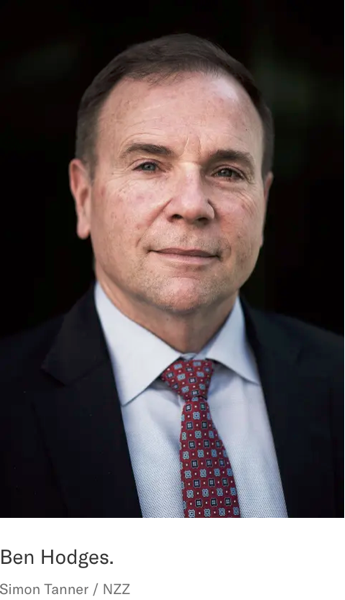
pro­fil fragt den US-Generalleutnant a. D. Ben Hod­ges, wie ris­kant die Lage ist: Steht die Welt vor einem Atom­krieg? Oder blufft Putin?

Treich­ler: Was erwar­ten Sie mili­tä­risch in den kom­men­den Mona­ten? Wird der Vor­marsch der Ukrai­ne durch den Win­ter gestoppt?

Hod­ges: Das glau­be ich nicht. Die Ukrai­ner sind ja nicht aus Flo­ri­da, so wie ich. Sie wer­den ver­su­chen, den Druck auf die rus­si­schen Kräf­te auf­recht­zu­er­hal­ten, damit die sich nicht neu auf­stel­len kön­nen. Die Rus­sen sind erschöpft und ver­wund­bar, auch auf der logis­ti­schen Ebe­ne. Ich ver­mu­te, die Ukrai­ne wird die rus­si­schen Streit­kräf­te bis zum Ende die­ses Jah­res auf die Linie zurück­drän­gen, wo die­se vor dem 24. Febru­ar waren. Und Mit­te des kom­men­den Jah­res wer­den die ukrai­ni­schen Sol­da­ten auf der Krim sein.

src: click

Es zeich­net sich ab, dass der Auto­krat im Kreml nichts von dem, was er gewalt­sam anstreb­te, errei­chen wird. Die Ukrai­ne wird ein demo­kra­ti­scher, pro­west­li­cher Staat blei­ben und irgend­wann der EU bei­tre­ten. Sie ist zudem drauf und dran, ihr Staats­ge­biet zurück­zu­er­obern. Die ter­ri­to­ria­len Gewin­ne, die Russ­land am Ende ver­zeich­nen könn­te, wer­den, wie es aus­sieht, mini­mal sein – viel­leicht auch inexistent.

Doch etwas sprach immer dage­gen, dass jemand wie Wla­di­mir Putin lang­fris­tig Erfolg hat. Zwei Tage nach dem Ein­marsch Russ­lands in die Ukrai­ne schrieb ich im profil-Leitartikel: „Glück­li­cher­wei­se hat die Auto­kra­tie einen inhä­ren­ten Haken. Auto­kra­ten sind, weil sie ohne Oppo­si­ti­on, ohne poli­ti­schen Wech­sel und damit ohne Kon­trol­le und Gegen­ge­wicht agie­ren, feh­ler­an­fäl­lig, rück­sichts­los und des­halb am Ende verhasst.“

src: click
[In der Tat, was für ein Glück. Dess­halb kön­nen Auto­kra­tien ja auch nicht erfolg­reich sein.]

Jetzt geh ich auf nen Des­sert­wein als Absa­cker ins Cafe.

Sagt der Zwei­te: Ich bin Ralph Janik: Völ­ker­recht­ler, mit Jugend in Mer­ca­tor­nä­he, ich war die ers­te Per­son in Öster­reich die in Kom­men­ta­ren im Stan­dard, nach einem State­ment des ECFR im März 2022 Pazi­fis­ten (Franz­o­bel) und außen­po­li­ti­sche Rea­lis­ten (Precht) öffent­lich ver­hetzt hat.

Dem Stan­dard war fad, da hat er feins­te Het­ze produziert

Wenig Anlass zu Hoffnung

Dazu pas­sen auch die unter­schied­li­chen Auf­ru­fe in Rich­tung Ukrai­ne, sich doch bes­ser zu erge­ben. Frie­den schlägt Gerech­tig­keit, man müs­se der Rea­li­tät eben ins Auge sehen: Waf­fen­lie­fe­run­gen an einen unter­le­ge­nen Staat zie­hen den Krieg und das damit ver­bun­de­ne Leid nur unnö­tig in die Län­ge, wie der Phi­lo­soph Richard David Precht oder der Schrift­stel­ler Franz­o­bel kritisieren. […] 

Viel Anlass zur Skep­sis, wenig Hoff­nung auf Frie­den. Die For­de­run­gen, auf­zu­ge­ben, sagen wohl mehr über uns als über die tat­säch­li­chen ukrai­ni­schen Hand­lungs­op­tio­nen. (Ralph Janík, 3.4.2022)

src: click

Ich bin auch der Jurist der der öster­rei­chi­schen Bevöl­ke­rung erklä­ren durf­te, dass auch wenn die öster­rei­chi­sche Regie­rung kei­ne Zah­len im Bezug auf Bei­trags­zah­lun­gen im Rah­men der euro­päi­schen Frie­dens­fa­zi­li­tät ver­öf­fent­licht, dank der Ver­trags­kon­struk­ti­on der “Kon­struk­ti­ven Ent­hal­tung” defi­ni­tiv kein öster­rei­chi­scher Euro in Waf­fen­käu­fe für die Ukrai­ne inves­tiert wird:

Wie kann man die Bevöl­ke­rung eigent­lich noch verarschen?

Sagt der Drit­te: Ich bin Franz-Stefan Gady, ich komm gera­de aus Washing­ton zurück, und wenn ich nicht gera­de als Con­sul­ting­un­ter­neh­mer in Alp­bach Stamm­gast in sicher­heits­po­li­ti­schen Debat­ten bin, schrei­be ich span­nen­de Essays in der Klei­nen Zei­tung (Essay - Franz-Stefan Gady: Mein Ame­ri­ka) - und unter­stüt­ze die Bür­ger­initia­ti­ve “Unse­re Sicher­heit”.

Sagt der Mode­ra­tor Wal­ter Feicht­in­ger (Prä­si­dent, Cen­ter für Stra­te­gi­sche Analysen) -

Bur­schen, so jung kom­men wir nicht mehr zusam­men, wann schaf­fen wir die Öster­rei­chi­sche Neu­tra­li­tät ab? Ich mein wir sind euro­pa­weit eh nur mehr 4%, damit man das mal versteht!

Sagt nie­mand im Saal: Das hier war der Ein­satz der Öster­rei­chisch Ame­ri­ka­ni­schen Gesell­schaft in dem Zusammenhang:

Öster­reich du gei­le Sau

The inde­pen­dence of jour­na­lism - part 2

Und um eine neue Sicher­heits­po­li­tik in Sin­ne aller Betei­lig­ten zu rea­li­sie­ren, brau­chen wir jedoch zuerst eine neue geo­po­li­ti­sche Theo­rie, denn die drei aktu­el­len Schu­len wider­spre­chen uns in dem was wir kon­zep­tu­ell wol­len dia­me­tral (Rea­lis­mus, Libe­ra­lis­mus, Kon­struk­tivi­mus) - aber dafür haben wir ja extra Ursu­la Werther-Pietsch ver­pflich­tet, Mit­un­ter­zeich­ne­rin der alp­bach­na­hen Initia­ti­ve “Unse­re Sicher­heit”. (Die sich gegen die öster­rei­chi­sche Neu­tra­li­tät aus­spricht, und bis­her zwei offe­ne Brie­fe ver­fasst hat, die dann spä­ter Johan­nes Kopf (selbst eben­falls Teil der Initia­ti­ve) bewor­ben hat, und das bereits eine Woche nach­dem er zu einem Panel in der Öster­rei­chisch Ame­ri­ka­ni­schen Gesell­schaft gela­den wur­de (Future of work, you know… - um es im kopf­schen Duk­tus zu sagen). Weil Kopf und Den­ker, das passt ja gut zusam­men. Also in der öffent­li­chen Betrachtung.

Die Grün­dung einer neu­en Schu­le des Mul­ti­la­te­ra­lis­mus, die rea­lis­ti­sche und idea­lis­ti­sche Außen- und Sicher­heits­po­li­tik ver­eint, wird zur Dis­kus­si­on gestellt.

Geo­po­li­tik nicht als Leit­mo­tiv sehen

Inter­na­tio­na­le Bezie­hun­gen sol­len nichts ande­res als den täg­li­chen Bedürf­nis­sen im poli­ti­schen Leben die­nen; ihr innen­po­li­ti­scher Bezug ist daher evi­dent. Aller­dings nicht aus der übli­chen Per­spek­ti­ve, näm­lich dem “Lip­pen­ab­le­sen”, um “poli­tisch zu punk­ten” unter dem Deck­män­tel­chen des Bür­gers als Sou­ve­rän. Nein, umge­kehrt soll Geo­po­li­tik, also das Spiel von Macht­in­ter­es­sen auf glo­ba­ler Ebe­ne, als inte­gra­ler Teil von mensch­li­cher Sicher­heit gese­hen wer­den, als eine gewich­ti­ge Dimen­si­on, nicht aber als Leit­mo­tiv oder gar über­ge­ord­ne­tes Axiom.

src: click

Weil rea­lis­ti­sche Schu­le das geht ja nicht mehr, das ist ja Mear­s­hei­mer.

Stellt sich nur noch die Frage -

Nein, Moment - stellt sich kei­ne Fra­ge mehr. Das wars.

Soll ich jetzt den Rechts­po­pu­lis­ten in Öster­reich viel Glück wün­schen, damit das in der media­len Betrach­tung nicht ein­fach nur unter den Tisch gekehrt wird?

Oh ich habs! Ich nehms mit mei­nen letz­ten drei Psy­cho­lo­gen! Beschäf­ti­gen sie sich ein­fach nicht so sehr mit dem The­ma! Dann wird alles besser!

edit: Oh, noch etwas - was sagt eigent­lich Precht, den man bei dem The­ma aus der öffent­li­chen Debat­te gedrängt hat?

Oh das hier:

bei 1:18:00 in. (Den Rest der Ver­an­stal­tung ertra­ge ich teil­wei­se nicht, aber Precht spricht hier zum Thema.)

Hi, I’m the Fulbright Fellow from the institute across the street

25. Juni 2023

- and I wan­ted to ask if the OSCE could may­be beco­me a non con­sen­sus based dis­pu­te sett­le­ment organization!

Oh, dear Lady with the Ful­bright fel­low­ship from the insti­tu­te across the street -

The Ful­bright Pro­gram, inclu­ding the Fulbright–Hays Pro­gram, is one of several United Sta­tes Cul­tu­ral Exchan­ge Pro­grams with the goal of impro­ving inter­cul­tu­ral rela­ti­ons, cul­tu­ral diplo­ma­cy, and inter­cul­tu­ral com­pe­tence bet­ween the peop­le of the United Sta­tes and other coun­tries through the exchan­ge of per­sons, know­ledge, and skills. 

src: click

- of cour­se we can think about making what the OSCE does non con­sen­sus based, and only based on majo­ri­ty decisi­ons may­be, but we have to lea­ve in a few orga­ni­sa­tio­nal sys­tems that also indu­ce trust.

Huh, would the US bene­fit from a media­ti­on orga­niz­a­ti­on to work along­side the new “value based tra­ding sys­tem”, they want to replace the WTO based sys­tem with? A non con­sen­sus based OSCE maybe?

Its always won­der­ful to see, that as soon as a Ful­bright fel­low makes a sug­ges­ti­on on rest­ruc­tu­ring your inter­na­tio­nal orga­niz­a­ti­on, the­re sud­den­ly is this con­struc­ti­ve “can do” spi­rit fil­ling the room.

Was sagt eigentlich Selenskyj einen Tag nach dem russischen Putsch?

25. Juni 2023

Och nichts Wich­ti­ges, die deutsch­spra­chi­gen Medi­en berich­ten wie üblich nur “Je län­ger die­ser Mensch im Kreml ist, des­to grö­ßer wird die Kata­stro­phe” - und las­sen den Rest der Rede ein­fach mal unter den Tisch fal­len. Die Selen­skyj dies­mal wie­der auf rus­sisch gehal­ten hat, um die rus­si­sche Bevöl­ke­rung einen Tag nach dem Putsch noch schön mit sei­nen manigfal­ti­gen Argu­men­ten zu über­zeu­gen zu revol­tie­ren - also hören wir ihm doch ein­fach mal zu:

Auto­ma­tisch gene­rier­te Unter­ti­tel über­setzt mit Deepl.com:

I wish you health, dear Ukrai­ni­ans I wish health to all the peop­le of the world.

Today is a day whe­re the­re is defi­ni­te­ly no silence and defi­ni­te­ly the world needs lea­ders­hip today. We saw that the mas­ters of Rus­sia do not con­trol anything at all, just com­ple­te cha­os, com­ple­te lack of any pre­dic­ta­bi­li­ty and this is on Rus­si­an ter­ri­to­ry which is hea­vi­ly armed.

We all remem­ber when in the year 21, when the Rus­si­an lea­der threa­tened the the world with some kind of ultimatums.

He was try­ing to show some kind of strength.

The year 22 show­ed that he was con­fu­sed with the power of his illu­si­on and the lies he was fed by the Kremlin.

The Krem­lin is capa­ble of any kind of ter­ror, they are capa­ble of any stu­pi­di­ty, but they can’t pro­vi­de a frac­tion of the necessa­ry con­trol and the pro­blem is that in one day they have actual­ly lost a num­ber of their cities and show­ed all the Rus­si­an ban­dits, mer­ce­n­a­ries, olig­archs and anyo­ne else how easy it is to cap­tu­re Rus­si­an cities whe­re the­re are likely arse­nals of weapons.

It is very important now, that no one in the world is silent becau­se they are afraid of this Rus­si­an cha­os, all the actions of lea­ders can now be his­to­ric, every word of jour­na­lists is worth its weight in gold.

We must clear­ly name the source of the pro­blem If someo­ne in the world is try­ing to lull the situa­ti­on: The illu­si­on that the Krem­lin is able to res­to­re con­trol, it only post­po­nes the pro­blem until the next bre­akthrough of cha­os is even more dangerous.

We all know the first solu­ti­on: The world should not be afraid, we know what pro­tects us is pro­tec­ting us.

Only our unity can pro­tect Ukrai­ne to pro­tect Euro­pe from any Rus­si­an for­ces, no mat­ter who is in char­ge, com­man­ds them, we will pro­tect the secu­ri­ty of the eas­tern flank of Euro­pe, it rests only on our defen­se and that is why every mani­fes­ta­ti­on of sup­port for our defen­se is sup­port for your defen­se in the free world.

Ukrai­ni­an sol­di­ers, Ukrai­ni­an guns, Ukrai­ni­an tanks, Ukrai­ni­an mis­si­les - this is all that pro­tects Euro­pe from such mar­ching for­ces like we see today on Rus­si­an ter­ri­to­ry and when we address the F-16 or the ATACAMS, we deve­lop our com­mon defense.

Imple­men­ta­ti­on is what is nee­ded now to pro­vi­de all the wea­pons necessa­ry for defen­se. [Selen­skyj lear­ned a new word - imple­men­ta­ti­on. His lan­guage skills are get­ting bet­ter every day…]

Second­ly, ever­ything should be a real right.

It should be frank­ly said to ever­yo­ne in the world that all Russia’s cri­mi­nal actions against Ukrai­ne were and are wrong and we all have to be gui­ded by our com­mon secu­ri­ty prio­ri­ties, NATO’s secu­ri­ty prio­ri­ties. NATO’s secu­ri­ty prio­ri­ties are not just a word though or a set of for­mal promises.

Pro­mi­ses, are a reli­able gua­ran­tee for all that peace will not be des­troy­ed without Ukrai­ne. Such gran­dio­se state­ments are worthless.

In July, the Free­dom Sum­mit is a his­to­ric chan­ce for real decisi­ons without loo­king back at Russia.

Any nati­on that bor­ders on Rus­sia real­ly sup­ports this, and I will say the third thing - in Russian:

In the Krem­lin obvious­ly the stu­dent is afraid and pro­bab­ly hiding somewhere.

He does not show hims­elf, he is not sure that he is not in Moscow, he calls from some­whe­re to beg for something.

He knows some­thing, he’s afraid becau­se he crea­ted this thre­at, all the evil, all the los­ses, all the hat­red, he’s the one and the lon­ger he can keep run­ning bet­ween his bun­kers, the more you lose, you all lose.

What are we going to do? We are Ukrai­ni­ans defen­ding our coun­try. We will defend our free­dom. We will not be silent and will not be inactive.

It will be our vic­to­ry in this war, unequivocally. 

And what will you do until that?

The lon­ger your [addres­sing rus­si­ans in rus­si­an] tro­ops are on ukrai­ni­an soil, the more dest­ruc­tion they will bring to Rus­sia, the lon­ger this per­son is in the Krem­lin, the big­ger the dis­as­ter will be.

Now I’ll switch to my nati­ve lan­guage. Thank you to our sol­di­ers Thank you to ever­yo­ne who is now defea­ting the occu­p­iers. Thank you to the air for­ce for pro­tec­ting our ski­es. Glo­ry to Ukraine.

We will Win.

Elo­quent wie am Tag des Kriegs­be­ginns, als sich Selen­skyj eben­falls auf rus­sisch, auf social media, an die rus­si­sche Bevöl­ke­rung gewandt hat. Also an Anwäl­te, Ärz­te, Tik­to­ker, Künst­ler, Müt­ter und Väter - jetzt auf die Stra­ßen zu gehen und solan­ge nicht weg­zu­ge­hen, bis sich Putin mit der Ukrai­ne an einen Ver­hand­lung­tisch setzt. Auf rus­sisch, auf Tele­gram. Wir erin­nern uns, der Stan­dard titel­te, Selen­skyj sucht den Frie­den. Drei Stun­den spä­ter flo­gen die ers­ten Rake­ten.

Was für ein Frie­dens­held die­ser Selen­skyj doch ist. Ein Garant des Friedens.

Dann heu­te lie­ber doch nur einen Satz aus sei­ner Rede in den deutsch­spra­chi­gen Medi­en dru­cken. Irgend­was Unverfängliches…

edit: Hey! Der Stan­dard über­rascht und bringt dies­mal mehr! Wie kommts? Die Ukrai­ni­sche Regie­rung hat aus­ge­wähl­te Tei­le der Rede auf Eng­lisch auf Twit­ter veröffentlicht.

Die unendlichen Vorteile Russlands sich selbst zu delegitimieren

24. Juni 2023

und mit einer Söld­ner­ar­mee Rich­tung Mos­kau zu marschieren.

Gehn wir sie doch der Rei­he mal durch.

- Dele­gi­ti­mie­rung der rus­si­schen Füh­rungs­eli­ten check
- Eröff­nung einer Quer­front mit­ten in einer ukrai­ni­schen Gegen­of­fen­si­ve check
- Ver­un­si­che­rung der rus­si­schen Streit­kräf­te an der Front und über die gesam­te Füh­rungs­struk­tur hin­weg check
- Dele­gi­ti­mie­rung der Struk­tu­ren rus­si­scher Mili­tär­macht im glo­ba­len Süden, durch die meu­tern­de schil­lern­de Per­sön­lich­keit selbst check
- Ver­öf­fent­li­chung der Marsch­rou­te auf west­li­chen Social Media Kanä­len check
- Auf­split­te­rung der Ope­ra­ti­ons­pla­nung in mit­ten einer Gegen­of­fen­si­ve check
- Aus­dün­nung der Ver­tei­di­gungs­kraft der Rus­sen im Süden der Ukrai­ne wo dem­nächst der Über­gang über den Dnjpr so sehr trock­net, dass du da mit San­da­len drü­ber­hüp­fen kannst. In weni­gen Wochen. check
- Russ­land das jetzt ande­re Pro­ble­me hat als sich um 15km weg­ge­schwemm­te Minen­gür­tel und neue Stel­lun­gen im Süden zu sor­gen. check
- Ver­un­si­che­rung der Krim­be­völ­ke­rung bezüg­lich der Legi­ti­mi­tät des rus­si­schen Macht­an­spruchs, wäh­rend ihr das Was­ser aus­geht. check
- Den dümms­ten Trot­tel aller Zei­ten für eine Rebel­len­ope­ra­ti­on aus­ge­wählt - wenn er das was er aktu­ell behaup­tet tat­säch­lich ernst meint. check

Pri­go­schin - paraphrasiert:

Wir mar­schie­ren nur gera­de gegen Mos­kau, weil Schoi­gu, der geflo­hen ist wie eine Frau, mich und mei­ne Män­ner mit Rake­ten beschos­sen hat, wor­auf ich sie dazu gebracht habe zu meu­tern, nach­dem ich 2000 Lei­chen auf­ge­bart habe um sie zu moti­vie­ren, und wir haben eine der 10 größ­ten rus­si­schen Städ­te ein­ge­nom­men, weil wir ja immer noch auf der Sei­te von Putin sind, aber gegen Schoi­gu mar­schie­ren, weil ich dann den­ke - nach dem Powerstrugg­le von der rus­si­schen Füh­rung mit offe­nen Armen zum obers­ten Mili­tär­füh­rer beru­fen zu wer­den, weil ich mich durch mei­ne ratio­na­le und stra­te­gi­sche Ope­ra­ti­ons­füh­rung auch so sehr dafür emp­foh­len habe, dass da eigent­lich alle der sel­ben Mei­nung sein wer­den, wäh­rend denen gar kei­ne Wahl bleibt. Dess­halb bin ich auch auf das Nar­ra­tiv auf­ge­sprun­gen, dass Russ­land mas­sen­haft sei­ne eige­nen Sol­da­ten tötet, was ja wirk­lich eine Schan­de ist, und was wir bei Wag­ner nie­mals selbst machen würden ---”

wobei einen gro­ßen Vor­teil hat das natür­lich. Man bekommt als Pri­go­schin end­lich sei­ne Home Sto­ry im Stan­dard! click

edit: Ah, gleich die nächs­te Home­sto­ry hinterher:
“Tod oder Frei­heit” – Wagner-Söldner im Gespräch mit dem STANDARD

- Nach der “voll­kom­men ratio­na­len” Akti­on im Sin­ne sei­ner Ein­heit, noch kurz ver­laut­ba­ren “Wir wer­den alles um uns her­um zer­stö­ren”, weil man ja damit rech­net in Mos­kau zum nächs­ten Mili­tär­füh­rer ernannt zu wer­den. check

- Kiews Pro­pa­gan­da zu för­dern, dass man in der Ukrai­ne davon aus­ge­he, dass sich Russ­land seit heu­te im Bür­ger­krieg befin­de. check

Ich wür­de sagen, noch nie war eine ver­deck­te Akti­on Mos­kaus so ein­deu­tig als sol­che zu erken­nen, oder?

Also Freun­de eines nicht all­zu­lan­gen Auf­rei­bungs­krie­ges, es geht wohl dem­nächst auf die Krim, denn das von Wag­ner ein­ge­nom­me­ne Ros­tow am Don ist ein wich­ti­ger Ver­sor­gungs­hub der selbigen.

Schoi­gu habe ange­ord­net, die Lei­chen von 2.000 Wagner-Kämpfern in einer Lei­chen­hal­le zu ver­ber­gen, sag­te Pri­go­schin wei­ter. “Wir waren bereit, Zuge­ständ­nis­se an das Ver­tei­di­gungs­mi­nis­te­ri­um zu machen, unse­re Waf­fen abzu­ge­ben”, sag­te Pri­go­schin. Den­noch hät­ten “sie Rake­ten­an­grif­fe auf unse­re hin­te­ren Feld­la­ger ausgeführt”.

src: click

Sei­ne 25.000 Män­ner wer­den nun auf­klä­ren, war­um solch eine Will­kür im Land herr­sche. “Wer ver­sucht, uns Wider­stand zu leis­ten, den wer­den wir als Bedro­hung betrach­ten und sofort töten”, droh­te Pri­go­schin. Sei­nen Anga­ben zufol­ge ist Schoi­gu extra an die nahe der ukrai­ni­schen Gren­ze gele­ge­ne Mil­lio­nen­stadt Rostow-am-Don gekom­men, um die Ope­ra­ti­on zur Ver­nich­tung Wag­ners zu lei­ten. “Um 21.00 Uhr ist er geflo­hen - fei­ge wie ein Weib - um nicht zu erklä­ren, war­um er Hub­schrau­ber hat abhe­ben und Rake­ten­schlä­ge durch­füh­ren las­sen, um unse­re Jungs zu töten. Die­ses Biest wird auf­ge­hal­ten”, so Prigoschin.

src: click

Der ist nicht mehr in Euro­pa, oder?

edit: Man­gott kom­men­tiert die Situation.

edit2: Ende einer fröh­li­chen Expe­di­ti­on Rich­tung Moskau?

Pri­go­schin will offen­bar nicht wei­ter vorrücken

Das wären spek­ta­ku­lä­re Nach­rich­ten: Nach Anga­ben des bela­rus­si­schen Prä­si­den­ten­bü­ros hat Wagner-Chef Pri­go­schin zuge­stimmt, die Trup­pen­be­we­gun­gen der Wagner-Söldner in Russ­land ein­zu­stel­len. Eine Bestä­ti­gung von Pri­go­schin selbst gibt es dazu vor­erst nicht.

src: click
edit3: Gegen­tei­li­ge PR Mel­dun­gen gehen gera­de auf Twit­ter rum.

edit4: Medu­za hat bestätigt:

Nun ist die Bestä­ti­gung da

Dem Medi­um “Medu­za” zufol­ge bestä­tigt Pri­go­schin, nicht mehr wei­ter vor­rü­cken zu wol­len. Die Wagner-Söldner dre­hen einer Audio-Botschaft von Pri­go­schin zufol­ge um.

src: click

edit5: Die Wie­ner Zei­tung hat den Kontext:

Der rus­si­sche Mili­tär­un­ter­neh­mer Jew­ge­ni Pri­go­schin beor­dert sei­ne Wagner-Truppen zurück in ihre Stütz­punk­te. Damit wol­le er Blut­ver­gie­ßen ver­mei­den, heißt in einer Audio-Botschaft von Pri­go­schin am Sams­tag. Nach den Anga­ben des bela­rus­si­schen Prä­si­di­al­bü­ros hat­te sich Pri­go­schin zuvor bereit erklärt, den Vor­marsch sei­ner Kämp­fer in Russ­land zu stop­pen. Er sei zu einer Dees­ka­la­ti­on der Situa­ti­on bereit, erklärt das Büro auf sei­nem offi­zi­el­len Kanal beim Kurz­nach­rich­ten­dienst Telegram.

src: click

edit6: Hier noch ein Vorteil:

WP: U.S. spies lear­ned in mid-June Pri­go­zhin was plan­ning armed action in Russia

edit7: Tcha­ka­rowa sieht es anders: click