Autorenarchiv

Hey, the ukrainian soldier drafting issue just solved itself!

28. September 2024

Immi­gra­ti­on to Nor­way must be con­trol­led and sus­tainab­le, and not dis­pro­por­tio­na­te­ly grea­ter than in our peer coun­tries, such as the Nor­dic coun­tries. For this rea­son, the [nor­we­gi­an] Government has today appro­ved amend­ments to the regu­la­ti­ons which mean that peop­le from are­as that UDI con­si­ders safe are no lon­ger cove­r­ed by the collec­ti­ve pro­tec­tion sche­me. Some 10% of the Ukrai­ni­ans who have arri­ved in Nor­way so far in 2024 are from the are­as that UDI now con­si­ders safe.

src: click

Nor­way has recei­ved more Ukrai­ni­ans than other Nor­dic coun­tries. Nor­way has recei­ved 85 000 Ukrai­ni­ans during the last two and a half years.

src: click

Well, thats only a litt­le over 4000 new sol­di­ers for Ukrai­ne, so we’­ve got to work on that list a litt­le -- but, final­ly we in the Wer­te­wes­ten have the solution!

Other governments soon to follow?

Wasn hier los? Wertegesellschaft, oder was?

28. September 2024

Bildschirmfoto 2024 09 28 um 09 14 40
src: click

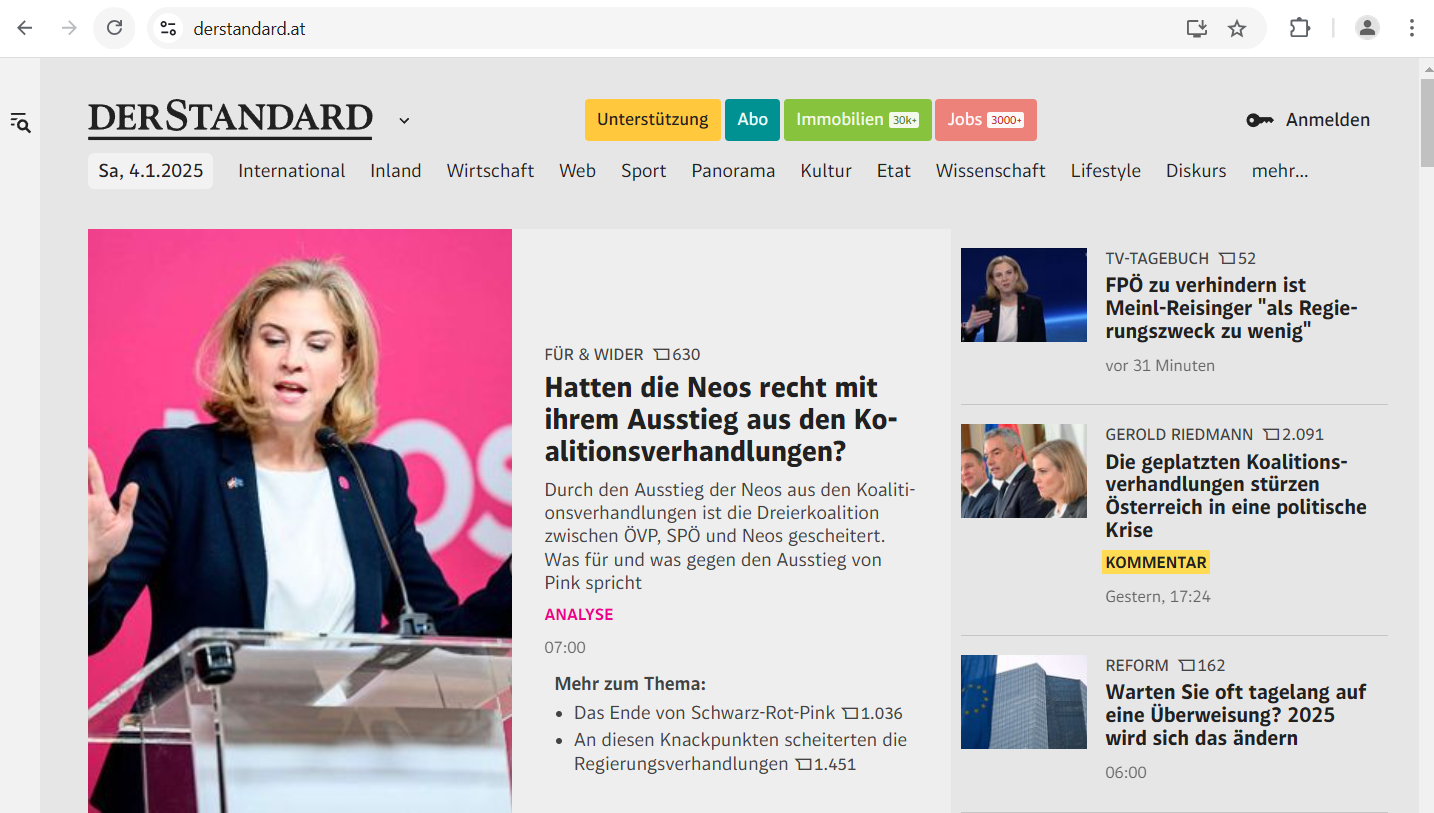
Arti­kel ist seit ges­tern 09:35 online, beinhal­tet Video­ma­te­ri­al von AFP und hat bereits ein Kommentar.

Und ja, der steht aktu­ell auf der Hauptseite.

Gut, war­um sich mit der Wirk­lich­keit aus­ei­ne­n­a­der­set­zen, wenn man fürs Heim­team brül­len kann… Ver­steh ich auch wieder.

Hier der behaup­te­te Hintergrund:

Ori­gi­nal­quel­le: click

Gut, den Hin­ter­grund muss man jetzt natür­lich wie­der nicht berich­ten, den kön­nen sich die Inter­es­sier­ten wie­der bei fünf unter­schied­li­chen Quel­len über Gos­sip zusam­men­su­chen, nicht?

DAS IST JA HEUTZUTAGE JOURNALISMUS.

Gott sei Dank, das Ster­ben kann end­lich wei­ter­ge­hen. Es ist so viel mora­lisch ein­fa­cher, jetzt wo Selen­skyj wie­der 8 Mil­li­ar­den bekom­men hat - dafür, dass er wie­der so einen intel­li­gen­ten Plan gehabt hat… Moment…

Ah, so - na dann… Auf zum Sieg.

Hey Kotkin konterkariert das Imperialismus Narrativ!

28. September 2024

Im Stan­dard!

Stalin-Biograf Kot­kin: “Für Russ­land gibt es kei­nen Weg zurück nach Europa”

Stalin-Biograf Ste­phen Kot­kin hält das rus­si­sche Regime für unsi­cher und prah­le­risch zugleich. In der Ukrai­ne gehe es Putin nicht um Erobe­rung, son­dern um Zerstörung

src: click

Also doch Revanchismus?

Ist ja egal, Haupt­sa­che es wird plat­ziert, dass eine diplo­ma­tis­sche Eini­gung die auch für Russ­land mit Vor­tei­len ver­bun­den wäre nicht mög­lich sei.

Na dann kann der Krieg ja end­lich wei­ter gehen.

Für die dies nicht wis­sen, Kot­kin hat am 4. März 2022 das Kriegs­nar­ra­tiv des Wes­ten geschaf­fen, das dann von allen Medi­enout­lets über­nom­men wurde.

Victoria Nuland taught russians squaredancing when she was 20, and it never stopped

26. September 2024

That sum­mer she tal­ked to a fami­ly at the ame­ri­can embas­sy in Moscow, who hired her as a nan­ny, so she could get a visa exten­si­on, and she real­ly loo­ked after a bunch of child­ren this sum­mer, but also “tra­v­eled all over the place”.

Oh, and she con­firms, that it wasnt But­cha, why the peace nego­tia­ti­ons stopped --

as Wagen­knecht points out here --

But we alrea­dy knew that.

From Davyd Arak­ha­mi­ia, from Nafta­li Ben­net, and from Simon Shus­ter (Times Repor­ter for over 15 years).

Aber aus irgend­ei­nem Grund scheint der Lanz zu glau­ben die not­wen­di­ge Auf­ar­bei­tung der Jour­na­lis­ti­schen Per­for­mance bei der Bericht­erstat­tung über die­sen Krieg lie­se sich mit “schrein wir die Wagen­knecht nie­der” übertünchen…

Now its only fair that Zygar gets Nuland to con­firm this on his you­tube chan­nel - becau­se we all know that Zygar is the spo­kes­ho­le into the rus­si­an expat com­mu­ni­ty, of cour­se all US Nar­ra­ti­ve Sales­men have to talk to him. Timo­thy Sny­der, Fio­na Hill, Anne App­le­baum, Vic­to­ria Nuland -- becau­se if they dont Zygar wri­tes gre­at com­men­ta­ry arti­cles in the ger­man Spie­gel that assess that the Kursk offen­si­ve will speed up peace nego­tia­ti­ons [Die Inva­si­on von Kursk könn­te den Beginn von Ver­hand­lun­gen bedeu­ten] -- you know so Zygar can then be invi­ted to Glob­sec Forum panels, 

- whe­re Zygar can talk about buil­ding this real­ly gre­at, honest and true rus­si­an oppo­si­ti­on, that will run rus­sia in case of a coup…

I hope the­re are some more Nuland “stin­gers” (nota­ble moments) in this video, becau­se I’m only about 5 minu­tes in and alrea­dy had to docu­ment her sto­ry­tel­ling - anec­do­te wise, on how good she taught rus­si­an peop­le squa­re­dan­cing in Odes­sa, and how well she cared about tho­se child­ren as an Au Pair in Mos­kow, while tra­ve­ling all over the coun­try in tho­se six mon­ths… - while she was working for a US con­gress­man - back in the US, who allo­wed her to take this time off… Becau­se it was just too good to let it slide.

And the best part? As she retur­ned back home, she found an invi­ta­ti­on from the US sta­te depart­ment in her post box to work there.

Love it!

edit: Also of cour­se Vic­to­ria Nuland doesnt know the dif­fe­rence bet­ween a debt cut and an IMF credit in the 90s, … - but hey at least half of Ger­ma­ny doesnt eit­her, Son­der­ver­mö­gen sei Dank. Gut, der IMF Kre­dit war in USD nicht in Rubel, aber was macht das schon für einen Unter­schied… Dem Zygar fällt da nichts auf. Er ist ja nur legi­ti­me rus­si­sche Opposition.

edit: Sor­ry, sor­ry - I have to inter­ject again, the coo­kies were sand­wi­ches, and Nuland orga­ni­zed them to be han­ded out to pro­tes­ters becau­se of “too much sla­vik instinct”, becau­se “tho­se pro­tes­ters were 18 and 19 year olds, after a long night of being kett­led in by Ukrai­nes (Janu­ko­wytschs) poli­ce forces”.

Of cour­se Nuland also thought, that lea­king the “fuck the EU” pho­ne­call real­ly show­ed how despe­ra­te Putin was, and that he didnt see any other way out of the situa­ti­on other than “to make me famous”. Nuland thought that was a “move born out of desperation”.

Ah sto­ry­tel­ling, I bet­ter book a work­shop soon to get as good as Nuland!

Productive work day

25. September 2024

Bildschirmfoto 2024 09 25 um 15 34 56Bildschirmfoto 2024 09 25 um 21 37 14

Wait what?!

24. September 2024

18.10 Uhr: Pis­to­ri­us - Bun­des­wehr schnellst­mög­lich kriegs­tüch­tig machen

Ver­tei­di­gungs­mi­nis­ter Boris Pis­to­ri­us (SPD) hat die Not­wen­dig­keit der schnellst­mög­li­chen Aus­stat­tung der Bun­des­wehr bekräf­tigt. Bis 2029 müs­se man damit rech­nen, dass Russ­land sei­ne mili­tä­ri­sche Rekon­sti­tu­ti­on abge­schlos­sen haben wer­de und in der Lage sein könn­te, einen mili­tä­ri­schen Schlag gegen Nato-Gebiet zu füh­ren, sag­te Pis­to­ri­us ange­sichts des rus­si­schen Angriffs­kriegs gegen die Ukraine. 

src: click

Kann man das bit­te mal genau­er begrün­den, oder ist schon Vorwahlkampfphase?

Hin­ter­grund: Weder Chat­ham House, noch Kof­man, noch CSIS, noch Gres­sel, noch… Also nie­mand hat das bis­her auch nur angedeutet.

Selen­skyj behaup­tet Sieg Ende 2025 - gut, hörn wir nicht drauf, der Rest mehr so 3-10 Jah­re war of attri­ti­on, aber der SPD Kanz­ler­kan­di­dat in spe…

edit: Ah, schau an - der Pis­to­ri­us liest Atlan­tic Coun­cil Copy, und BR24 weist das als Eigent­leis­tung aus…

[edit: Kor­rek­tur, er liest doch nicht Atlan­tic Coun­cil, der sagt das schon län­ger (seit Juni)…]

NATO-Russia dyna­mics: Pro­spects for recon­sti­tu­ti­on of Rus­si­an mili­ta­ry power

Exe­cu­ti­ve summary

The Rus­si­an Federation’s full-scale inva­si­on of Ukrai­ne on Febru­a­ry 24, 2022, brought war to the North Atlan­tic Alliance’s doorstep—altering the political-military dyna­mics bet­ween NATO and its neigh­bor to the east. Sin­ce the Rus­si­an inva­si­on, NATO has been under­go­ing a dra­ma­tic chan­ge that has impac­ted its plans, com­mand struc­tu­re, for­ce model, and capa­bi­li­ties requi­re­ments. The effec­ti­ve­ness of this chan­ge must be gau­ged against the adversary’s abi­li­ty to field its for­ces and resour­ce them in a way that nega­tively impacts the Supre­me Allied Com­man­der Europe’s abi­li­ty to exe­cu­te the new regio­nal plans. The del­ta bet­ween how quick­ly Rus­sia can rebuild its mili­ta­ry and how quick­ly NATO can rearm, espe­cial­ly the Euro­pean allies, will defi­ne the risk level for the Alli­an­ce should deter­rence fail. A credi­ble assess­ment of the speed with which Rus­sia can recon­sti­tu­te and expand its military—especially its land for­ces com­po­nent, which has been signi­fi­cant­ly attrit­ted during the cur­rent cam­pai­gn in Ukraine—is cru­cial to accu­rate­ly asses­sing NATO’s over­all for­ce pos­tu­re and abi­li­ty to respond should Rus­sia choo­se to attack a mem­ber of the Alli­an­ce. Here, the exper­ti­se and assess­ments of the United Sta­tes’ allies most expo­sed to the Rus­si­an thre­at along the eas­tern flank offer valu­able insights from the front­li­ne, aug­men­ted by their regio­nal exper­ti­se and under­stan­ding of Rus­si­an cul­tu­re, poli­tics, and mili­ta­ry infu­sed with cen­tu­ries of expe­ri­ence of living next door to Russia. 

In sup­port of United Sta­tes Euro­pean Command’s Rus­sia Stra­te­gic Initia­ti­ve, the Atlan­tic Coun­cil orga­ni­zed two workshops—in War­saw, Poland, and in Hel­sin­ki, Finland—to gain a bet­ter under­stan­ding of alter­na­ti­ve futures for Rus­si­an mili­ta­ry recon­sti­tu­ti­on and its impli­ca­ti­ons for secu­ri­ty on the Euro­pean con­ti­nent. The work­shops were desi­gned to assess (1) how Rus­sia will recon­sti­tu­te its land for­ces in respon­se to ongo­ing deve­lo­p­ments in Ukrai­ne and NATO for­ce adap­t­ati­on, (2) the vul­nera­bi­li­ties hin­de­ring Russia’s visi­on for the recon­sti­tu­ti­on of its mili­ta­ry, and (3) the thre­at of future Rus­si­an capa­bi­li­ties to the trans­at­lan­tic secu­ri­ty architecture.

Key takea­ways from this line of effort include:

Rus­sia has demons­tra­ted that it can fight and mobi­li­ze at the same time.
The pace of Rus­si­an mili­ta­ry recon­sti­tu­ti­on has been fas­ter than Wes­tern ana­lysts expec­ted, inclu­ding both refur­bis­hed and new equip­ment and man­power mobi­liz­a­ti­on. Still, the rea­di­ness of the Rus­si­an armed for­ces is not likely to be the princi­pal dri­ver of decision-making in Moscow; rather, any decisi­on to attack a NATO mem­ber will fac­tor in the “cor­re­la­ti­on of for­ces,” with the goal of explo­i­t­ing the Alli­an­ce in a moment of weakness.
Based on pro­duc­tion data, the big­gest risk of Rus­sia attacking a NATO mem­ber will be in 2025–26 when peak pro­duc­tion, refur­bish­ment, and training/readiness lines inter­sect. One ana­lyst pro­jec­ted Rus­sia will pro­du­ce well over one thousand tanks annu­al­ly by then.
Moscow will not, howe­ver, make decisi­ons based on objec­ti­ve indi­ces of rea­di­ness alo­ne. It will deci­de to move against a NATO sta­te when it deems that the win­dow of oppor­tu­ni­ty has opened—hence, under­stan­ding the poli­ti­cal cul­tu­re that under­girds Russia’s decision-making is as important as having an accu­ra­te assess­ment of its mili­ta­ry capabilities.
The West is in a race against time, with the del­ta bet­ween Rus­si­an for­ce recon­sti­tu­ti­on and NATO’s invest­ment in real, exer­cis­ed mili­ta­ry capa­bi­li­ties con­sti­tu­ting the level of risk in the Euro­pean thea­ter in the event of a full-scale war. Clo­sing the gap will requi­re NATO to prio­ri­ti­ze rear­ma­ment across the board, inclu­ding its defen­se indus­tri­al base in Euro­pe and the United States.

src: click (Atlan­tic Council)

edit: Oh Wun­der, oh Wun­der, Chat­ham­house sah das noch im Juli ganz anders… Pick your favou­rite Anlaysts! I KNOW, I KNOW, I’M BORIS PISTORIUS, I’M PICKING ANALYSTS FROM War­saw, Poland, and Hel­sin­ki, Fin­land, THOSE WILL TELL ME THE UNFILTERED AND BALANCED TRUTH! (Well in EU terms, you got to lis­ten to the most frea­ked out mem­bers, I guess…)

08 Conclusion
Mathieu Boulègue
Con­sul­ting Fel­low, Rus­sia and Eura­sia Programme

Just as the war in Ukrai­ne has high­ligh­ted both weak­nes­ses and resi­li­en­ce in the Rus­si­an mili­ta­ry, the les­sons for the West are equal­ly mixed. Signs of Rus­si­an vul­nera­bi­li­ty offer no grounds for Wes­tern com­pla­cen­cy – but point to the impor­t­ance of redu­cing Russia’s war-making capa­ci­ty by attri­ti­on. Abo­ve all, con­ti­nued Wes­tern sup­port for Ukrai­ne will remain crucial.

More than two years into the full-scale inva­si­on of Ukrai­ne, Rus­sia remains able simul­ta­ne­ous­ly to con­ti­nue to pro­se­cu­te the war and to effect war­ti­me adap­t­ati­ons to its com­mand struc­tu­re. With vary­ing degrees of suc­cess, the Krem­lin has been able to rapidly mobi­li­ze reser­vists, employ pri­va­te mili­ta­ry com­pa­nies, sus­tain military-industrial pro­duc­tion for basic sys­tems, and hea­vi­ly mili­ta­ri­ze the public infor­ma­ti­on space in sup­port of the war.

In terms of com­mand struc­tu­re, the sepa­ra­ti­on of the Wes­tern Mili­ta­ry District into Moscow and Lenin­grad districts in March 2024 is also telling.163 Moscow is now rever­ting to its ‘com­fort zone’, name­ly Soviet-era com­mand struc­tures in the Euro­pean theat­re. The new Moscow Mili­ta­ry District will con­cern its­elf exclu­si­ve­ly with Ukrai­ne, Bela­rus and Kali­nin­grad, which will ine­vi­ta­b­ly be of direct con­cern to the US and NATO in the Bal­tic theat­re as well as on the eas­tern flank of the Alliance.

The pace of imple­men­ta­ti­on and the effi­ci­en­cy of con­ti­nued reforms in the com­mand struc­tu­re, howe­ver, remain to be seen. They will part­ly depend on the effec­ti­ve­ness or other­wi­se of the new minis­ter of defence, And­rei Belou­sov, appoin­ted in May 2024. Simi­lar­ly, it is unknown if the Rus­si­an Armed For­ces can be a ‘lear­ning orga­niz­a­ti­on’ able to imple­ment genui­ne chan­ges, whe­ther struc­tu­ral or cultural.164

On top of war­ti­me adap­t­ati­ons in the com­mand struc­tu­re, the mili­ta­ry indus­try has dis­play­ed resi­li­en­ce in its abi­li­ty to deli­ver mili­ta­ry equip­ment and hard­ware in the war against Ukrai­ne. The ongo­ing recon­sti­tu­ti­on of mili­ta­ry equip­ment and hard­ware will ine­vi­ta­b­ly inform the next cycle of the Sta­te Arma­ment Pro­gram­me (GPV) after 2027, as well as future plans regar­ding modern mili­ta­ry tech­no­lo­gy and mili­ta­ry innovation.

The Rus­si­an Armed For­ces remain a credi­ble thre­at to NATO and its allies. In Ukrai­ne, the Rus­si­an mili­ta­ry has shown it can absorb los­ses and main­tain tactical-operational credi­bi­li­ty des­pi­te stra­te­gic fail­u­res. Rus­si­an for­ces can count on impro­ved recon­nais­sance fire and strike com­ple­xes equip­ped with a vast arse­nal of long-range pre­cisi­on muni­ti­ons, as well as lar­ger quan­ti­ties of impro­ved uncrewed aeri­al vehi­cles (UAVs). Rus­si­an long-range strike and stand-off muni­ti­ons, cou­pled with multi-layered air defence sys­tems, repre­sent the big­gest con­ven­tio­nal thre­at to NATO.

The Aero­space For­ces (VKS) and the Rus­si­an Fede­ra­ti­on Navy (RFN) remain cri­ti­cal parts of the nuclear and con­ven­tio­nal stra­te­gic deter­rence for­ce, poten­ti­al­ly hol­ding NATO assets at risk of dest­ruc­tion. Final­ly, asym­metric capa­bi­li­ties – espe­cial­ly the use of cyber and infor­ma­ti­on war­fa­re; elec­tro­nic war­fa­re for counter-UAV and counter-precision-guided-munitions ope­ra­ti­ons; and space-based assets – are still able to off­set NATO and US con­ven­tio­nal superiority.

Russia’s pro­spects for rege­ne­ra­ting its mili­ta­ry machi­ne remain mixed, both in terms of speed and effec­ti­ve­ness. Yet as the war against Ukrai­ne con­ti­nues, and regard­less of the depth of the recon­sti­tu­ti­on of Russia’s mili­ta­ry power, the cur­rent Krem­lin lea­ders­hip will remain a thre­at to Euro­pean and trans­at­lan­tic secu­ri­ty as well as a stra­te­gic com­pe­ti­tor to NATO and its allies.

Ana­ly­sis of Moscow’s nuclear decla­ra­to­ry poli­cy sug­gests that if Rus­sia were to suf­fer suf­fi­ci­ent­ly seve­re degra­dati­on of its con­ven­tio­nal mili­ta­ry power, such that the lea­ders­hip deemed the exis­tence of the Rus­si­an sta­te to be under thre­at, this would crea­te con­di­ti­ons under which Rus­sia might con­si­der the use of nuclear weapons.165 Howe­ver, this pos­si­bi­li­ty remains remo­te, espe­cial­ly while Russia’s air arms, and its naval for­ces bey­ond the Black Sea, remain rela­tively intact.

Fur­ther­mo­re, Rus­sia will con­ti­nue to explo­it its tool­kit of asym­metric capa­bi­li­ties and ambi­guous sub-threshold tac­tics. The­se tools must no lon­ger be ana­ly­sed as part of a ‘grey zone’ or ‘hybrid’ ran­ge of mea­su­res aimed at blur­ring the line bet­ween war and peace. They are fun­da­ment­al­ly part of Russia’s con­ti­nued low-intensity war­fa­re against Wes­tern interests.

Con­ti­nued assess­ments of Russia’s mili­ta­ry reform and of its ongo­ing recon­sti­tu­ti­on of equip­ment are vital to under­stan­ding in which sec­tors Moscow still repres­ents a thre­at to Wes­tern inte­rests. Such assess­ments will be essen­ti­al for the US and NATO in terms of retai­ning both a tech­no­lo­gi­cal and over­all deter­rence advan­ta­ge against the Kremlin.

The sin­gle most signi­fi­cant fac­tor that can impair Russia’s abi­li­ty to recon­sti­tu­te its over­all mili­ta­ry power and leverage asym­metric capa­bi­li­ties in com­ing years will be ongo­ing Wes­tern sup­port for Ukraine.

Final­ly, the sin­gle most signi­fi­cant fac­tor that can impair Russia’s abi­li­ty to recon­sti­tu­te its over­all mili­ta­ry power and leverage asym­metric capa­bi­li­ties in com­ing years will be ongo­ing Wes­tern sup­port for Ukrai­ne. Wes­tern coun­tries must con­ti­nue to work tog­e­ther to pro­vi­de Ukrai­ne with arms, ammu­ni­ti­on, finan­cial sup­port and refu­gee assi­s­tance, and to show moral soli­da­ri­ty with the Ukrai­ni­an war effort.

Deny­ing Rus­sia vic­to­ry and for­cing it to con­ti­nue in a long attri­tio­nal strugg­le will fur­ther degra­de all ele­ments of its war-making capa­ci­ty, inclu­ding its abi­li­ty to invest in and pro­du­ce cutting-edge tech­no­lo­gi­cal enab­lers. Cri­ti­cal­ly, the­se efforts will also fur­ther under­mi­ne the Kremlin’s infor­ma­tio­nal stra­te­gy both at home and abroad, dimi­nis­hing its abi­li­ty to desta­bi­li­ze Wes­tern demo­cra­tic sys­tems and, ulti­mate­ly, wea­ke­n­ing its long-term hold on power.

src: click (Chat­ham­house)

Halbzeit Fazit

23. September 2024

This House Would Fight for Demo­cra­cy, Liber­ty & the Rule of Law Abroad (Oxford­Uni­on)

https://www.youtube.com/watch?v=mEwmtZtOgGo

I coun­ted:

3x Hit­ler
2x Genocide
1x shame
and
1x neve­r­en­ding war for our child­ren, if we let Rus­sia win

on the side of the “would fight for demo­cra­cy” fraction.

The unsett­ling part being, that the majo­ri­ty of peop­le in euro­pe think like me, when it comes to figh­t­ing for their coun­try - never mind democracy.

But as we all know, the emo­tio­nal argu­ment wins -- damit kann der Krieg dann ja end­lich weitergehen.

Bonus: The US inter­ven­ti­on in Kuwait, accord­ing to the pro­pon­ents for the moti­on was also to safe­guard inter­na­tio­nal rule of law.

Its inte­res­ting to see how far back some con­cepts go.

Rechnen lernen mit dem ukrainischen Kriegsbedarf

23. September 2024

oder Neu­ig­kei­ten auf dem Gebiet der kon­ven­tio­nel­len und weni­ger kon­ven­tio­nel­len Kriegsführung

Reis­ner schätzt aktu­ell den Defen­siv­be­darf der Ukrai­ne bei Kampf­pan­zern und Kampf­schüt­zen­pan­zern auf 300 -- und den Bedarf für eine Offen­si­ve die das aktu­el­le Kriegs­ziel der Ukrai­ne erfül­len könn­te auf “wei­te­re 3000”.

Das Ver­hält­nis Kampf­pan­zer zu Kampf­schüt­zen­pan­zer ist dabei 1:2 (sel­bes Videointerview).

Laut statistica.com hat Euro­pa im Jahr 2024 gesamt 4540 Kampf­pan­zer, von denen die Ukrai­ne in der Defen­si­ve dem­nächst 100 braucht um wei­ter­zu­kämp­fen, und 1000 um noch­mal in die Offen­si­ve gehen zu kön­nen -- um auf dem kon­ven­tio­nel­len Weg ihre Zie­le (Rück­erobe­rung aller ukrai­ni­schen Gebie­te mit dem Stand vor 2014) zu erreichen.

Das wäre also noch­mal ein Vier­tel aller in Euro­pa ver­füg­ba­ren Panzer.

Laut wiki­pe­dia liegt die Auf­sto­ckungs­quo­te in Deutsch­land bei 39 in vier Jah­ren, dh 10 Pan­zern pro Jahr - bei 300 Bestand. Dh. die Ukrai­ne bräuch­te von Deutsch­land so viel, wie Deutsch­land in 8 Jah­ren durch Pro­duk­ti­on lukrie­ren kann.

Laut Oryx hat die Ukrai­ne bis­her etwa 1000 Pan­zer und Schüt­zen­pan­zer ver­lo­ren. Aktu­ell hat die Ukrai­ne eben­falls laut Oryx etwa 2000 Pan­zer und Kampf­schüt­zen­pan­zer im Einsatz.

Zusam­men­ge­fasst, für das Poten­ti­al eines kon­ven­tio­nel­len Sie­ges (alles Gebiet zum Stand von vor 2014 zurück) bräuch­te die Ukrai­ne 2.5 mal MEHR Pan­zer als sie der­zeit hat -- und das wären ein gutes Vier­tel aller in Euro­pa der­zeit noch ver­füg­ba­ren Pan­zer. (Ohne Anga­be zur tat­säch­li­chen Ein­satz­be­reit­schaft der staat­lich ange­ge­be­nen Zah­len, wir ken­nen das Pro­blem aus Deutsch­land. Zumal 1365 von den 4540 in Grie­chen­land sta­tio­niert sind.)

(Alles unter dem Vor­be­halt, dass die US kei­ne Abra­hams mit Tur­bi­nen­an­trieb schi­cken. (Aktu­ell warens 31.))

Jetzt zur weni­ger Kon­ven­tio­nel­len Kriegsführung:
Laut Zei­han hat die Ukrai­ne mög­li­cher­wei­se die rus­si­sche Rail Logis­tik ein­se­hen kön­nen und bei­de Sei­ten wissens.

Bedeu­tet - die Ukrai­ne hat ein bes­se­res Ver­ständ­nis von Rus­si­schen Muni­ti­ons­de­pots (Zahl - Ort, Men­ge) -- und könn­te jetzt die Rus­si­sche Logis­tik durch Angrif­fe auf die rus­si­sche Ener­gie­in­fra­struk­tur emp­find­lich ent­schleu­ni­gen (rus­si­sche Züge sind zum Groß­teil elek­tri­fi­ziert und fah­ren mit Strom).

edit: Kiev Post Edi­tor in Chief indi­ca­tes, that Ukrai­nes “win­ning” is in lar­ge part a regime chan­ge play, so get­ting the cur­rent regime to topp­le in russia:

What is NATO Propaganda

22. September 2024

SPÖ-Wehrsprecher sieht Druck auf Neu­tra­li­tät durch “trans­at­lan­ti­sche Elite-Zirkel”

src: click Der Stan­dard dazu: click

Wie kann er nur!

Sie­he:

Öster­reich du gei­le Sau

Sie­he dazu auch:

First off - it is ama­zing to see Fio­na Hill show that much restraint. For once. The selec­ti­ve framings are few and far in bet­ween if you just look at the state­ments of Hill and Con­stan­ze Stel­zen­mül­ler. They are still the­re, but this time they are very muted.

Of cour­se Hill is still nee­ded to tell the sto­ry that this is one per­sons war - and Putin was so iso­la­ted, and most­ly worried about his lega­cy, and that this was a plan that he had for years and plan­ned out meti­cu­lous­ly, which of cour­se is dis­pu­ted by both the initi­al Nafta­li Ben­nett Inter­view (the iso­la­ti­on part) - as well as Ste­phen Kot­kin, and David Arak­ha­mi­ia (the head of Selen­sky­js par­ty) by now -- but Fio­na this time around has down­gra­ded her “iso­la­ti­on” argu­ment to “iso­la­ted with the same peop­le” (so didnt talk to the west, during the Coro­na lock­downs?), which was when Putins decisi­on - accord­ing to Fio­na - was made to attack Ukrai­ne, becau­se Putin thought most­ly about his lifes lega­cy in tho­se days. Which Fio­na of cour­se knows, becau­se she knows how Putin thinks. Becau­se of tho­se four stone sta­tu­es she saw in his office in 2015 - when she last par­ti­ci­pa­ted in a Val­dai Dis­cus­sion Club mee­ting. Thats a very tame ver­si­on of her sto­ry (that still con­tains dou­ble Vla­di­mir btw - which is ama­zing), but none of her other logic jumps - she pre­vious­ly made, when pre­sen­ting her “what Putin thinks” sto­ry in the past.

Of cour­se Fio­na Hill is now also con­tra­dic­ted by Ste­phen Kot­kin (the per­son who inven­ted the initi­al wes­tern war nar­ra­ti­ve at the Hoo­ver Insti­tu­ti­on, which then every euro­pean news out­let copied, see Kot­kin at the Hoo­ver Insti­tu­ti­on on the 4th of March 2022):

Becau­se Kot­kin by now sta­tes, that the most popu­lar public nar­ra­ti­ve in the west has now chan­ged from “cra­zy Putin” to a “this was the goal of the broa­der rus­si­an lea­ders­hip” one, becau­se the rus­si­an peop­le seem ok with it, and becau­se the “cra­zy Putin nar­ra­ti­ve” kind of fizz­led out over time, making Fio­nas input, nar­ra­ti­ve wise, less and less important.

Ste­phen Kot­kin: “So it’s real­ly Putin per­so­nal, capri­cious, whim­si­cal, his per­so­na­li­ty, his KGB past, all the things that you wri­te about. That explana­ti­on was popu­lar until recent­ly when peop­le star­ted to see that it was­n’t only Putin in the war in Ukrai­ne, that Rus­si­an eli­tes see­med to fall in line. Not ever­yo­ne, but many of them.

The Rus­si­an peop­le did­n’t seem on on mass to oppo­se the war. Yes, many did and suf­fe­red for it, and many are in exi­le or in pri­son as a result. But it’s hard to say that this is one per­son alo­ne. It’s also hard to say that any of the alter­na­ti­ves woul­d’­ve been dif­fe­rent once they’­re in power.

Cau­se Putin was­n’t today’s Putin when he first came to power. It’s also hard to under­stand how if they had been dif­fe­rent, they woul­d’­ve sur­vi­ved. Just becau­se you come to power does­n’t mean you sur­vi­ve in power. You can come to power by acci­dent. But sur­vi­ving in power for deca­de after deca­de is not an accident.

And so this, the second explana­ti­on, it’s Putin or pre­do­mi­nant­ly Putin, I don’t think holds water.”

Of cour­se Fio­na Hill is also famous for her appearan­ce at the CFR here:

Whe­re she encou­ra­ges the audi­ence the peop­le in the CFR and jour­na­lists to come up with bet­ter sto­ry­tel­ling, to tell to peop­le in a simp­le way what has hap­pen­ed, try­ing to regain them in mass, after having lost them -- refe­ren­cing the two thirds of the world that might belie­ve in chi­nas view on the events f.e.

Here the moneyquote:

Fio­na Hill: “You know, you’ve lost—forgotten—and this is exact­ly what he said. You’ve kind of lost huma­ni­ty. What’s hap­pen­ed to the Ame­ri­cans who go out the­re and tell a sto­ry, you know, that makes it very clear about why peop­le are doing things? And, you know, that’s some­thing that mem­bers of the Coun­cil on For­eign Rela­ti­ons do. It’s why we’re having this event.

It’s also what peop­le do in jour­na­lism, like Ser­ge and, you know, all of his opi­ni­on and com­men­ta­ry pie­ces. But it’s kind of, you know, some­thing that we’re all going to have to do on a regu­lar basis. And, you know, I think some of you might have read just recent­ly in the New York Times the movie of Bul­ga­kov, Mas­ter and Mar­ga­ri­ta, that’s being shown, you know, right now in in Rus­sia and having an impact. We’ve got to start being crea­ti­ve about things like this, about tel­ling stories.

The sto­ry of Ale­xei Naval­ny dying—you know, some­bo­dy of that kind of unspeaka­ble bra­very to, you know, do the things that he did, and to sacri­fice hims­elf in the way that he did—telling that sto­ry and moving it forward.

Becau­se you can’t just lea­ve Vla­di­mir Putin to tell the sto­ry. And I think that this docu­men­ta­ry is a chal­len­ge to all of us about how do we get out the­re and work on the narrative.”

Thank you Fiona!

Next we look at Con­stan­ze Stel­zen­mül­ler, who of cour­se, as always, finds it so hard to deal with that fact, that in ger­ma­ny the­re still isnt this noti­on, that the­re is a real war going on right now bet­ween the west and chi­na, and that we real­ly ought to take a hint and side with the ame­ri­cans on this -- “becau­se of demo­cra­ci­es vs. aut­ho­cra­ci­es”, right?

Right. So - here is why thats so hard for the ger­mans to under­stand. Becau­se the ger­man eco­no­mic infra­st­ruc­tu­re is inter­wo­ven with Chi­na in a dif­fe­rent way, than the one in the US is. So while the US bene­fits from 100% tar­rifs on chi­ne­se goods, the ger­man eco­no­my actual­ly suf­fers even from the lower impact tar­rifs the EU has by now put on chi­ne­se electric vehi­cles (see, Poli­ti­co: Ger­ma­ny laun­ches 11th-hour bid to avert tra­de war with Chi­na) but Con­stan­ze just cant fathom why thats still the domi­nant view in germany.

Try­ing to debunk the two male coun­ter­parts on this panel is an excer­cise in futi­li­ty, becau­se they flog emo­tio­nal “US, the shi­ning city on a hill” nar­ra­ti­ves whe­re about every second sen­tence is wrong - in a fun­da­men­tal way -- so I will not even try that to -- for once, keep this pos­ting from explo­ding into 10 pages of dealing with idio­tic gobbledigug.

And the­re is a final slight, soft framing thats estab­lis­hed in the Broo­kings Insti­tu­ti­on panel dis­cus­sion here, that still tou­ches on -- well rus­sia had no real rea­sons to start this war.

While on the fun­da­men­tal level thats cor­rect, this seeks to sim­ply out­fence all the inter­na­tio­nal poli­cy maneu­vers the US and the Ukrai­ne put in place befo­re­hand to essen­ti­al­ly free Cri­mea, which might have been an essen­ti­al impe­tus for Rus­sia to start this war -- as Her­fried Münk­ler sta­tes here:

Spä­te Erkenntnis

And which Ange­la Mer­kel also open­ly allu­ded to when tal­king about the natu­re of Minsk 2.

So take your NATO nar­ra­ti­ve, and essen­ti­al­ly stuff it -- even though this is the tamest and clo­sest ver­si­on to what will be in our histo­ry books ten years from now.

(Putin mani­pu­la­ted rus­si­an histo­ry as a high prio­ri­ty goal sin­ce 2015 - I’m still an equal oppor­tu­ni­ty take your shit and stuff it kind of guy. (Hope­ful­ly.))

Hey - das kommt unerwartet!

22. September 2024

USA mah­nen Isra­el vor neu­em Krieg

Washing­ton will eine fried­li­che Lösung im Kon­flikt mit der pro­ira­ni­schen His­bol­lah. Doch Isra­el setzt wei­ter auf mili­tä­ri­schen Druck.

src: click